 If you can come to grips with lighting and composition, you will take great photos with any camera. That is because these two primary technical aspects of photography are common to film and digital photography. Realize too, that there are technical aspects beyond lighting and composition as well, that are common to both mediums of photography. If you can develop good skills in the areas of lighting and composition, you will take great shots with a simple point-and-shoot, film, or digital SLR camera. Lighting and composition is where the playing field between good shots and great shots is equalized across the different types of cameras.
Lighting and Composition

 In order to understand how to get the best results in your photography it is imperative that you understand the basics of how to read light and interpret exposure. Learning how to read light is one of the most primary aspects of digital photography, creatively and technically.

 Once upon a time, Photoshop ruled the roost of image editing software. However, Adobe’s, Incorporated (what some say) inflated prices and callous disregard of its user-base has created a backlash. While the lion’s share of photo image editing work – particularly in the professional sphere – still happens on an Adobe product, many image artists are beginning to explore alternative software as well. In most cases, the software was already out there before Photoshop was invented. Having said all that, many swear by Photoshop (I often use it too) and use it for unique work or projects.




 The newest technology revolutionizing SLR digital photography techniques is high dynamic range images (HDR or HDRI). Think about some of the shots you take when you are out and about with your digital camera.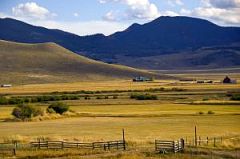

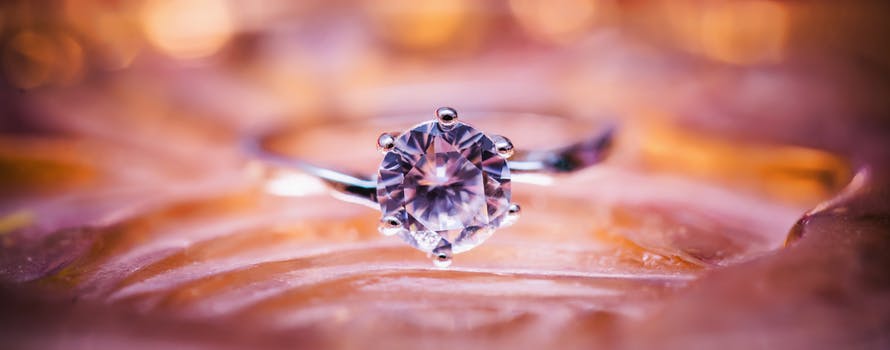
 Many people like to experiment with the macro settings on their digital cameras, but ultimately give up on their efforts when the results are blurry and poorly lit. Fortunately, with just a bit of effort and some inexpensive equipment, macro photography can be successfully accomplished.