


 I really enjoyed the article I read today entitled, “Fun, Morning and Evening Lighting Shots,” by Dave Corn. In the article, he wrote:
“….. take the pictures at sunset and continue until the sun is nearly gone! Again, notice the changes in lighting (colors, textures, and contrasts). This is a fun exercise and you will be surprised in the dynamic variations in lighting and contrast you will see from morning to night…..”This is excellent advice for anyone interested in expanding his/her photographic horizons. The soft light of early morning and late evening is great, and can truly enable you to take photographs of a scene that are totally different from the “so-so,” “Ho hum” results of a mid-day shoot, when the lighting is so harsh.
Mr. Corn was also right on with his suggestion to take a tripod. Even with a fast, vibration-damped camera or lens, trying to get a really sharp sunset photo is difficult without a tripod. Sure, you can do it, but most of the photos taken that way are softer than we would prefer. Use either a good tripod, or, at the very least, a rest or a beanbag. Use a fast shutter speed. Use mirror lock-up. Even use a cable release or a remote to trip your shutter. Your photos will be sharper for your efforts.


 Here’s the thing. I am not a professional photographer. I don’t have loads of useful photography tips or know what the best equipment is. What I can talk about is how taking pictures has changed my life and my feeling of passion for capturing beauty in pictures.

 Trying to photograph animals is great fun, but challenging While it may only have been ten minutes, it felt like an eternity when trying to get a good shot of this vocal and precocious parrot. Every time I had him in focus and thought I had the perfect shot lined up, he would hide his head under his feathers, preen, or turn his back on me.

 Recently I had the fun and exciting opportunity to attend a local Hot Rod Show at Lake Merced, CA. What a great setting. The Hot Rod Clubs were allowed to park their cars all around the lake’s perimeters near access roads and in other locations in the park area!

 There are five really handy tips that you can use in your portrait photography. The truth is that it’s easy to get high classy, imaginative and exceptional portrait photos. You may have heard that there are only two methods of lighting used when taking healthy portrait shots; soft and romantic lighting or dramatic lighting. While this, you may have heard, is a key to brilliant photos, it can be fairly limiting in more ways than one.

 If you can come to grips with lighting and composition, you will take great photos with any camera. That is because these two primary technical aspects of photography are common to film and digital photography. Realize too, that there are technical aspects beyond lighting and composition as well, that are common to both mediums of photography. If you can develop good skills in the areas of lighting and composition, you will take great shots with a simple point-and-shoot, film, or digital SLR camera. Lighting and composition is where the playing field between good shots and great shots is equalized across the different types of cameras.
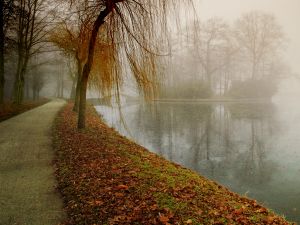
 In order to understand how to get the best results in your photography it is imperative that you understand the basics of how to read light and interpret exposure. Learning how to read light is one of the most primary aspects of digital photography, creatively and technically.

 Any photographer who nourishes and loves their unique gift, and is passionate about their craft, should embrace this report. In it, I’ll not just tell you how to bring more traffic (targeted visitors or customers) to your websites, but also show you how easily it can actually be.

 The first rule of success in portrait photography is to capture the positive side of the person you are taking. Capture them as happy, enthusiastic, and calm or generally displaying positive actions or moods then you will be well on your way to achieve sensational photos.