
By Ray Baker
Too many photographers treat outdoor photography props as decoration first and business tools second. By the time you have carried a basket, two blankets, a garland and a folding bench across wet grass, the session has lost its light and the client has lost their patience. I would rather carry three outdoor photography props that do a specific job than ten that just look styled in a bag. The real cost is rarely the purchase price. It is the weight on your shoulder, the extra minutes of setup and the risk that a prop becomes the centre of attention instead of the person you were paid to photograph. A calm setup is part of the client experience, and the decision starts before you pack the car.
Which outdoor photography props earn their keep?
Outdoor photography props earn their keep when they fix a real problem: keeping hands busy, adding a safe seat, blocking wind, framing a face or giving a child something to hold. The best list is short, weather-safe, quick to clean and easy to carry. If an item cannot do one of those jobs, leave it at home.
Key takeaways
- Match props to the shoot’s purpose and client comfort, not to the latest styling trend.
- Prioritise weather-safe, washable and easy-to-carry items over heavy statement pieces.
- Build a small reusable kit instead of buying single-session props that sit in storage.
- Keep safety, path access, releases and park rules ahead of the shot.
- Test every prop before a paid session and pack a simple repair option.
Struggling to pick props that earn their keep? The eBook pricing and planning chapters help you turn style choices into a simple business decision.
What should small outdoor props actually do?
The first job of any prop is to solve a physical problem. A small item can keep a nervous adult’s hands busy, lift a child to a flattering height, block a low sun flare or turn a patch of bare dirt into a clean resting spot. A large prop is only useful if it will be sat on, leaned against or used as a windbreak. When I look at a new prop, I ask one question: does it make the person more comfortable or the image easier to compose? If the answer is no, it stays in the shop. That simple filter removes most decorative clutter before it ever reaches the boot of the car.
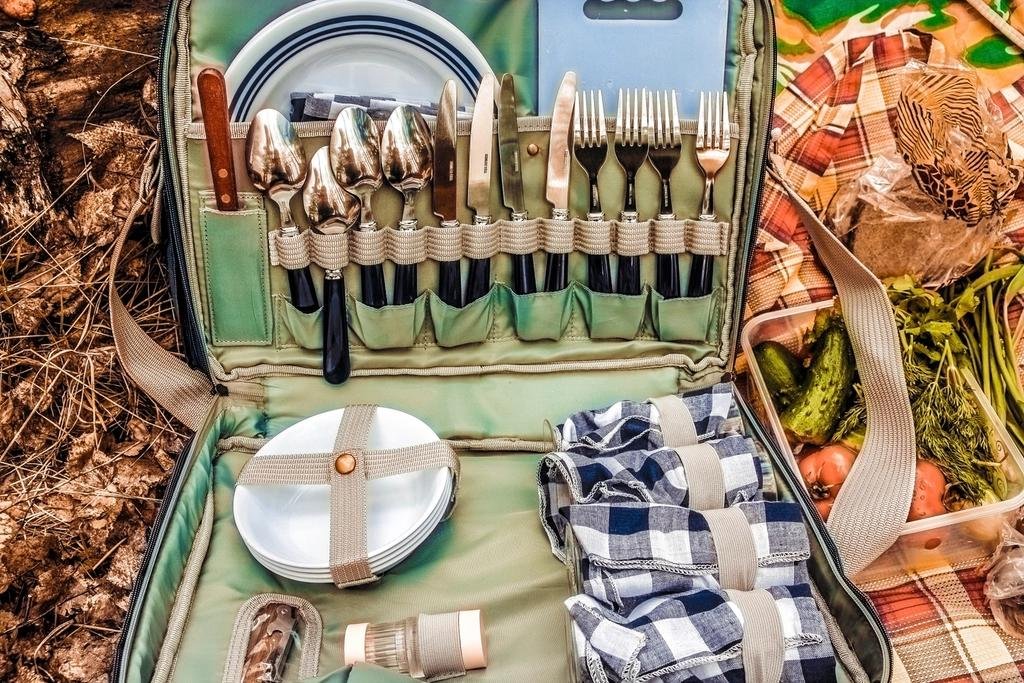
A plain picnic blanket can double as seating and a soft background, which is the same idea behind photo background ideas. The trick is to use it as a surface, not as a style statement. A neutral colour is usually smarter than a loud print because it does not fight the subject’s clothing or skin tone. If the ground is damp, a waterproof backing keeps the blanket from soaking through in the first five minutes.
Need client research without the guesswork? Learn how to use simple market questions before you buy another prop or book a new session.
5 easy tips for outdoor props
- Pack by job, not by look. Give each prop one task such as sitting, holding, framing or blocking wind.
- Choose weather-safe materials. A washable blanket, powder-coated frame or sealed timber outlasts raw fabric after one damp morning.
- Use a folding stool or stackable blocks for height. They give toddlers and seated adults a stable base without a heavy bench.
- Keep a small repair kit: strong tape, safety pins, a hand towel and a rubbish bag for wet items.
- Test every prop at home first. Open it, sit on it, drop it once and check for sharp edges before a paid session.
How do I choose props without wasting money?
Most prop waste comes from guessing instead of checking the market you already serve. The Small Business Administration says market research helps you find customers for your business, and competitive analysis helps you make your business unique. Before buying another lantern or floral arch, ask a few of its questions: is there a desire for your product or service, how many similar options are already available to consumers and what do potential customers pay for these alternatives? A quick look at three local competitor galleries will tell you more than a styling board online. If you mostly photograph active toddlers, a vintage table and full tea set is not demand, it is clutter.
I also treat large outdoor photography props as a separate line in the quote. If a client requests a flower wall or a themed bench, the transport, setup and cleaning time should be covered. If the item is not reusable, it probably does not belong in my standard kit. This keeps cash going to gear that books sessions, not to outdoor photography props that spend the year in storage. I would rather spend that money on a battery, a memory card or a second light stand than on a prop that only appears once online.
Unsure about releases for prop-heavy shoots? The guide covers licensing and releases in plain English, so you can publish with less worry.
Which props help families feel at ease?
A toddler who refuses to stay still often calms down with a small bucket of soft, washable toys, a low step or a blanket they can sit on. The prop gives them a place to go and a job to do. A low, stable step is often more useful than a chair because a child can climb on and off without help, and parents do not need to hover. For family groups, avoid anything that demands perfect behaviour, like a prop every child must hold in exactly the same way. If you need natural movement, family posing tips will do more than a styled chair. The camera catches expression, and the prop should support that, not compete with it.
What should I never carry to a park shoot?
Leave anything that turns into a sail in wind, anything heavy enough to sink into soft grass, and anything with loose glass, flaking paint or exposed splinters. The U.S. National Park Service encourages photographers to be smart and follow its picture-perfect safety tips when capturing precious moments. Keep paths clear, avoid tripod legs and watch where clients step. Carry a small towel and a plastic bag for wet surfaces or muddy shoes. For light and exposure decisions in changing outdoor conditions, outdoor settings that work can save you time.
Where do copyright and releases fit with props?
Your work is under copyright protection the moment it is created and fixed in a tangible form, and registration is voluntary. Registration is voluntary, but you will have to register if you wish to bring a lawsuit for infringement of a U.S. work. Registered works may be eligible for statutory damages and attorney’s fees in successful litigation. That matters when clients, competitors or social accounts reuse the portrait without permission.
Be careful with props that feature visible artwork, logos or characters. Fair use is a longstanding part of American copyright law, but the U.S. The Fair Use Index is not a substitute for legal advice. If a prop carries protected imagery, remove the logo, crop it out or get advice before publishing. Keep prop use simple and you keep the image easier to license.
Related reading
Frequently asked questions
Do I need special insurance for outdoor photography props?
Check your existing business policy first. A lightweight kit rarely triggers a separate policy, but large structures, water props or fire should be discussed with your insurer before booking. Keep receipts and photograph the setup before each use.
Can I use branded items as props in paid portraits?
A logo or character on a prop can raise trademark and copyright questions. Fair use is a judge-created doctrine, and the Fair Use Index is not a substitute for legal advice. Remove visible logos where possible.
What is the easiest prop to start with?
A large washable blanket in a neutral colour. It works as seating, a clean play area and a soft background, and it folds flat. It is inexpensive and useful for portraits, families and headshots.
How many outdoor photography props should I bring to a session?
Three to five items that each serve a clear job is a sensible working number. It keeps setup quick, reduces loss risk and lets you focus on light and expression. Add more only when the client pays for the time.
Do I need model releases when a prop appears in the image?
The release covers the person, not the prop. Use a release for paid or portfolio work and keep it signed before the session. If a prop is borrowed, get written permission before you publish.
Honest take
Outdoor photography props are a test of discipline. Clients book you for expression and light more than a rented couch in a field. If a prop does not make the person more comfortable or the image more saleable, it is probably a distraction. Start with one washable blanket and one safe seat, then add only what earns its keep on a real job.
References
- Small Business Administration. Plan your business, Market research and competitive analysis. https://www.sba.gov/counseling/plan-your-business/#market-research
- U.S. National Park Service. Photography. https://www.nps.gov/subjects/photography/index.htm
- U.S. Copyright Office. Copyright in General (FAQ). https://www.copyright.gov/help/faq/faq-general.html
- U.S. Copyright Office Fair Use Index. https://www.copyright.gov/fair-use/
Shoot well and follow up faster,
Ray Baker