The tripod is one cumbersome accessory, and in many cases, it’s just one of those items you don’t want to lug along with you each and every time you’re planning on taking pictures. However, even without the tripod, there are several ways to improve your photographing results, if you pay attention to your surroundings.
TIPS – TECHNIQUES – ADVICE
7 Tips for Starting out as a Digital Photographer

 Your love of photography has made you want to learn more about digital photography. Now you are ready to buy an SLR digital camera and equipment to improve your results.
No matter whether you are a commercial photographer, freelance photographer or just do photography as a hobby this article will give you some tips on what equipment you need.
Obviously, you need a camera and camera bag, but you will also need lenses and filters to help you become a better photographer.
Tips for Buying a Digital Camera
Digital cameras have advanced a long way over the last few years. There is everything from the tiny point and shoot digital cameras to slr digital cameras for the more serious photographer.
With these feature packed slr digital cameras even the basic beginner, just start out experimenting with photography, can take some excellent photos. Some of the features to look for in a digital camera are its resolution, how many modes the camera offers (e.g. macro and panorama; some even have movie making features) and the quality of the lens.
Tips for Night Photography


Night time photography produces some amazing results. It is fun capturing the night-time city shots and the bright lights of cars whizzing past.
Use a Tripod to Eliminate Camera Shake
If you are a serious night photographer a tripod is necessary to eliminate camera shake and get clear exposures with good depth of field.
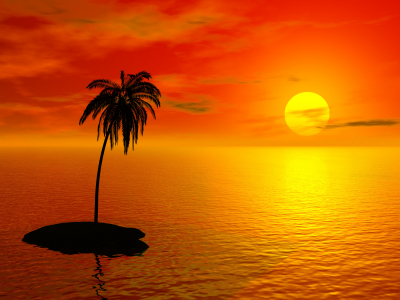
When shooting sunsets and city scapes we normally just point and shoot. Try adding foreground to the photo to add depth. Something else to consider is the general rule of thirds so your photo has good perspective.
When you check the light levels using your camera, make sure it is not pointing directly at the sun. Take the reading based on the colors around the sun. If you don’t then your photo will be underexposed.
Lenses and Macro Photography

Macro photography has become increasingly popular; so much so that most consumer digital cameras are equipped with a setting intended for such a purpose, and/or they arrive with built-in zoom lenses capable of focusing on the most minuscule or tiny detail of a subject.
The most common subjects for macro photography are flowers, insects and natural patterns in wood, stone, sand or even moss, but some photographers may take commercial images of jewelry, or other subjects as well. Macro photography is basically the capturing of clear details of very small or even microscopic subjects, and this requires special lenses.
Creative Holiday Photos


Around the world there are millions of photo albums filled with holiday snap shots of children opening gifts, relatives seated around a table or living room and even some outdoor images. While these are treasured memories, they can become the “same old thing” year after year.
How do you capture creative holiday photos? There are many unique opportunities during the days and weeks leading up to the actual day (or days) of celebration, and these make for some excellent images.
Understanding Exposure will help you get Quality Pictures
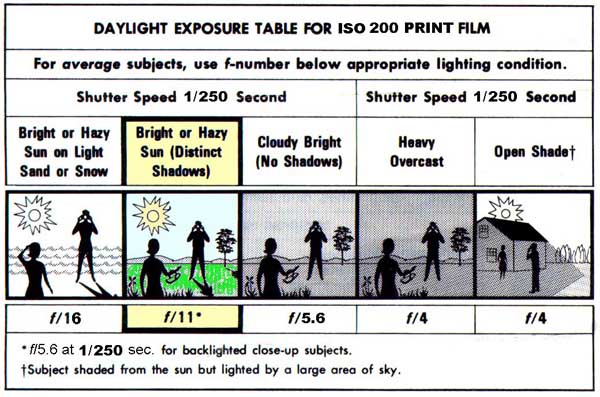
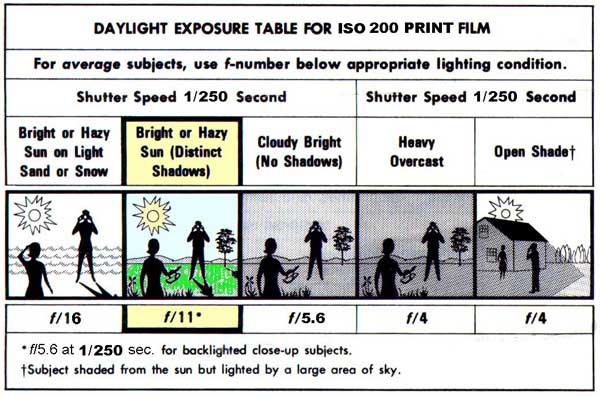
Taking good pictures is a great way to be able to share your experiences with other people and make a living. Time marches on very quickly, and those pictures are a great way to look back over what has occurred or indeed, help recommend a photographer. Many people are disappointed though at some of the pictures. They didn’t turn out the best.
This can be due to:
– Not enough exposure
– Too much exposure
– Double exposure
Tips for Getting Your Backgrounds Right in Photographs
The first thing to remember about the background of any photograph is that it is indeed the background and ‘not the subject’. This means that the power of this part of the scene must be to a much lesser degree than the primary focus. While there is no easy tip or trick for knowing if you have allowed the background to overwhelm or distract from the subject, simply remembering that it isn’t to be any kind of competition to the attention of the viewer, is a good start.
Photographer’s Secret Weapon – Vaseline


Quick note from Ray – Photography tips and tricks are welcomed here and if you feel you have something to offer other photographers, feel welcome to visit this page for the guidelines. Now on with this amazing tip….,
Vaseline does wonders, not only for your skin, but can also help you to create impressionist masterpieces. You can transform just about any subject into something interesting and exciting. If you like the soft, poetic look in your photographs this simple technique is for you.
Tips for Night Photography
Night time photography produces some amazing results. It is fun capturing the night-time city shots and the bright lights of cars whizzing past.
Use a Tripod to Eliminate Camera Shake
If you are a serious night photographer a tripod is necessary to eliminate camera shake and get clear exposures with good depth of field.
When shooting sunsets and city scapes we normally just point and shoot. Try adding foreground to the photo to add depth. Something else to consider is the general rule of thirds so your photo has good perspective.
When you check the light levels using your camera, make sure it is not pointing directly at the sun. Take the reading based on the colors around the sun. If you don’t then your photo will be underexposed.
Lenses and Macro Photography
Macro photography has become increasingly popular; so much so that most consumer digital cameras are equipped with a setting intended for such a purpose, and/or they arrive with built-in zoom lenses capable of focusing on the most minuscule or tiny detail of a subject.
The most common subjects for macro photography are flowers, insects and natural patterns in wood, stone, sand or even moss, but some photographers may take commercial images of jewelry, or other subjects as well. Macro photography is basically the capturing of clear details of very small or even microscopic subjects, and this requires special lenses.