 Light is a very critical component of photography. After all, if there was no light, then you don’t get photographs. Its true that you have a good safety net with digital photography because you are allowed to edit the photographs after taking them, but it is always good to strive for correct exposure when you take the picture.
Lighting
How to Photograph Christmas Lights
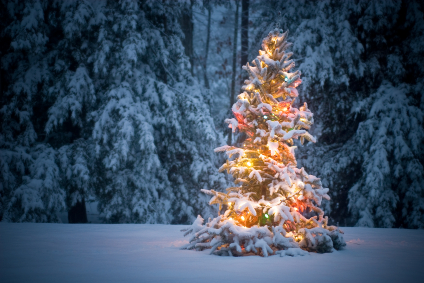

Christmas is here and so is the urge for us who love digital photography to get out there in the burbs and photograph the beautiful Christmas lights. It’s a beautiful time of year and when you are as passionate about digital photography as I am, then this is the time you whip that digital camera out.
Taking photos of Christmas lights with your digital camera can be a very disappointing experience for digital photography enthusiasts.
Crucial Lighting and Other Tips for Digital Photography
It’s amazing how good at digital photography and how organized a photographer can be yet still lack the knowledge of taking advantage of digital photography lighting tips and techniques so they can take their photography to an even higher level. I was one of those people I should add! Call it what you will, basic digital photography tips, photography lighting techniques and tips, fashion photography lighting, photography lighting tips, etc. They revolve around the same knowledge. If you can find just two slr digital photography tips here, it would further your wisdom and ability to learn photography and get results. The article below does a good job in displaying some photography techniques and delivers food for thought to help improve the photo lighting techniques you currently have…enjoy!
Fun, Morning and Evening Lighting Shots
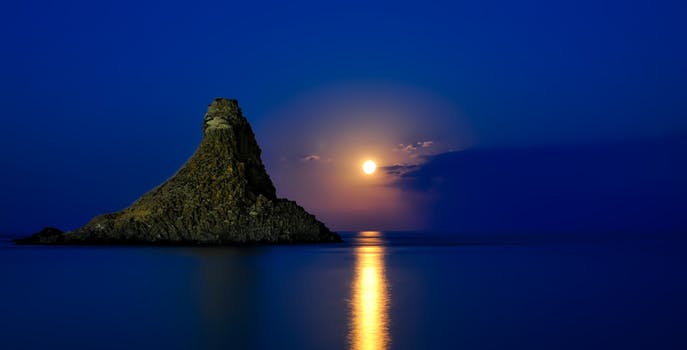
 Here’s a fun exercise; Take your camera (digital or conventional film) out to a place you like to photograph early in the morning just before the sun rises. continue taking photos of this site as the sun rises and casts its morning light! Notice the variations!
Now, use the same site, only take the pictures at sunset and continue until the sun is nearly gone! Again, notice the changes in lighting (colors, textures, and contrasts). This is a fun exercise and you will be surprised in the dynamic variations in lighting and contrast you will see from morning to night!
I recommend taking oh, say 200 or so photos for a good sampling of night and morning light. You may then wish to
Lighting and Composition

 If you can come to grips with lighting and composition, you will take great photos with any camera. That is because these two primary technical aspects of photography are common to film and digital photography. Realize too, that there are technical aspects beyond lighting and composition as well, that are common to both mediums of photography. If you can develop good skills in the areas of lighting and composition, you will take great shots with a simple point-and-shoot, film, or digital SLR camera. Lighting and composition is where the playing field between good shots and great shots is equalized across the different types of cameras.
Understanding How To Read Light
 In order to understand how to get the best results in your photography it is imperative that you understand the basics of how to read light and interpret exposure. Learning how to read light is one of the most primary aspects of digital photography, creatively and technically.
Summer Changes Your Photographic Light
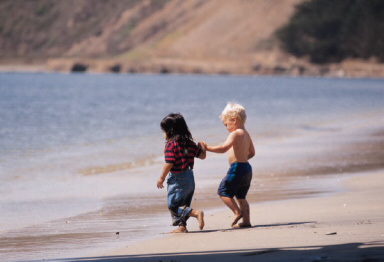
 As summer moves in, the days get longer and hotter. Photography is all about lighting and as the days get longer, the type of natural light that you have available to you changes with the season. So, how will the summer days affect your photography?
Photography Tips using Natural Light

 Using natural lighting for your photography is a handy technique. Apart from the fantastic photos you can produce, you don’t have to drag around a lot of equipment. But it does make you a slave to any available light.
Avoid the Light at High Noon
All photographers know to avoid shooting in full, natural sunlight at midday. It is the worst type of light of the day. It is unforgiving. If you have to take photos at this time of day find some shade for the best results.
There are situations where this will work well for you. If you are taking photos in a naturally dark area (e.g. in a forested parkland area) this can work in your favour when your subject is in high contrast with the environment.
The best times of the day for photography are early morning or late afternoon. The harshness of the midday sun will give you hard shadows whereas early or late afternoon light will soften them.
Lighting in Macro Photography
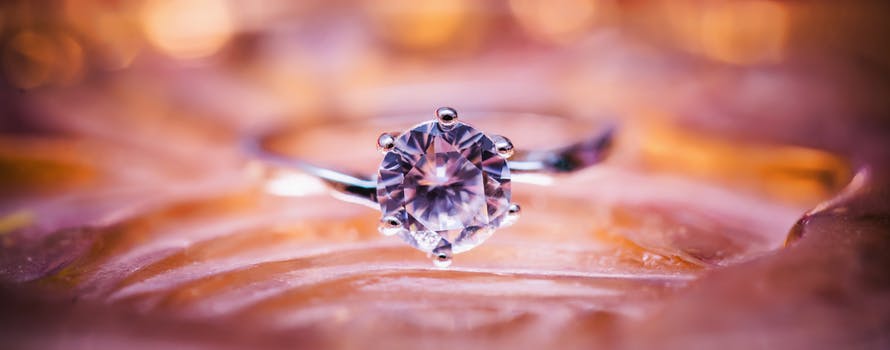
 Many people like to experiment with the macro settings on their digital cameras, but ultimately give up on their efforts when the results are blurry and poorly lit. Fortunately, with just a bit of effort and some inexpensive equipment, macro photography can be successfully accomplished.
The key to good macro photography is lighting, and unfortunately most on board flash units will not do the trick, nor will traditional flashes mounted to the flash shoe, the bracket where a larger flash unit can be inserted into the camera body.
Photography Tips using Natural Light
Using natural lighting for your photography is a handy technique. Apart from the fantastic photos you can produce, you don’t have to drag around a lot of equipment. But it does make you a slave to any available light.
Avoid the Light at High Noon
All photographers know to avoid shooting in full, natural sunlight at midday. It is the worst type of light of the day. It is unforgiving. If you have to take photos at this time of day find some shade for the best results.
There are situations where this will work well for you. If you are taking photos in a naturally dark area (e.g. in a forested parkland area) this can work in your favour when your subject is in high contrast with the environment.
The best times of the day for photography are early morning or late afternoon. The harshness of the midday sun will give you hard shadows whereas early or late afternoon light will soften them.