Memorize this short “mantra” in order to master photography – ISO, shutter speed, aperture. If you repeat this to yourself a few times you will be able to easily remember the three things that will always save, or ruin, an exposure. They don’t have to come specifically in that order, but nevertheless, these three things are what will determine your exposure.
Lighting
Preventing Photo Underexposure
Photography is one of the most important arts known since the previous century. Experts would define it as the art of capturing or recording light. It doesn’t get any plainer than that. When you press the “shoot” button and the light flashes, you just captured a moment—in that case, the light of that moment. However, capturing light on film or digital memory is not as easy as you might have thought. Photography is like an exact art that minor changes can have a profound effect on the outcome. One of the most common mistakes is shooting pictures with low amounts of light exposure, which causes less than impressive results.
Know How To Use The Contre-jour Technique In Photography
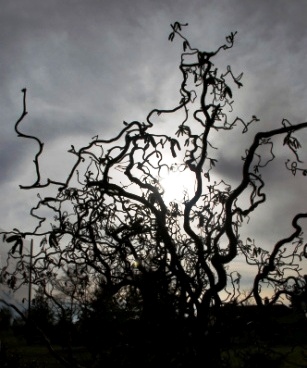
Contre-jour, a French term with a literal meaning of “against the light”, refers to photographs that were taken with the camera directly pointing toward the source of light. Contre-jour is also a photography technique to create a silhouette of a subject that is surrounded by a soft and halo-esque light. This technique is known in Italy as chiaroscuro but is more widely known as backlighting.
Soft Box Lighting Techniques Some Professionals Refuse To Share
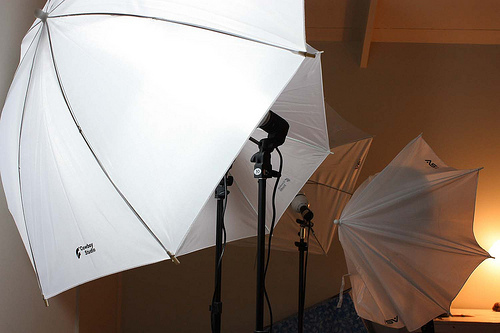
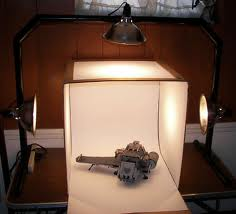
Many photographers doing studio photography use a soft box as an alternative to an umbrella to diffuse lighting. Many of the lighting principles when using an umbrella as a light diffuser apply when using a soft box in illuminating objects. However, it usually requires a more powerful light source than umbrella or direct lighting. As a powerful lighting modifier, a soft box allows large amounts of light to be cast but with very few resulting shadows.
How To Correctly Tone Your Photographs
Aside from many photographers, graphic artists and designers also use colored filters to apply their desired tones to their photographers. The use of filters can help highlight and dramatize a photograph. The most commonly used filters are the cooling filters and the warming filters. The warm filters are usually used to achieve warm orange tones while cooling filters are used for cool blue tones.
The Secrets To Using Flash Creatively When Doing Action Photography
Action photography is one exciting line of photography that is also challenging at the same time. Action photography shots capture the electrifying moments of the subject indulging in various activities. Knowledge in action photography is helpful when taking photos of skateboarding, mountain biking, and other kinds of sports activities. It is also something a photojournalist or a wildlife photographer needs to be proficient in.
Lightbox Photography Tips – Unveiling the Secrets of Awesome Product Photos

You may think that using a lightbox is a pretty straightforward process but to tell you frankly, there is quite a big difference between just using a lightbox and clicking away and using a lightbox to come up with some awesome product shots. If you are eager to uncover the secrets of using a lightbox to capture perfect product shots every time you push your shutter release button, then you really need to read today’s post from beginning to end!