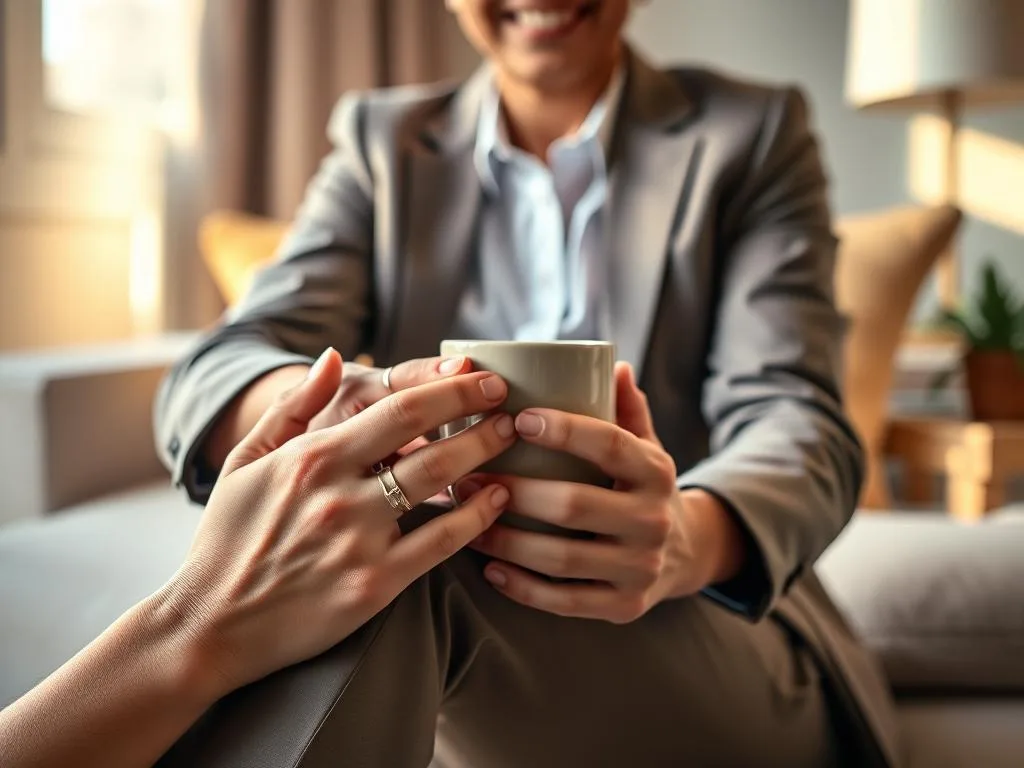
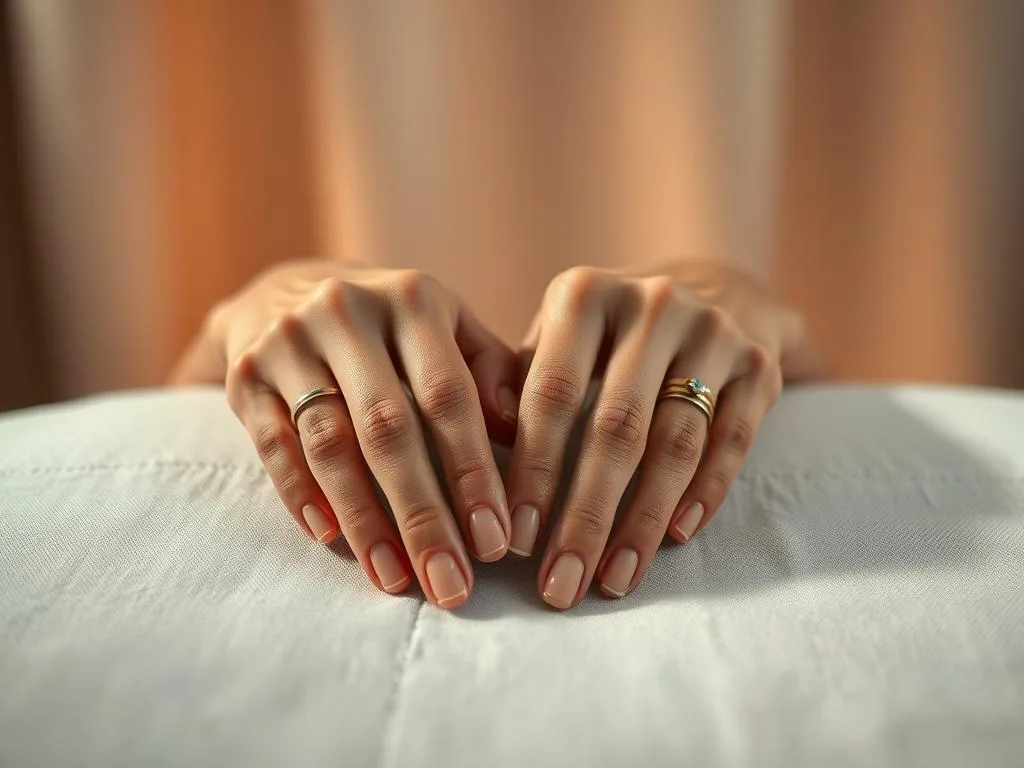
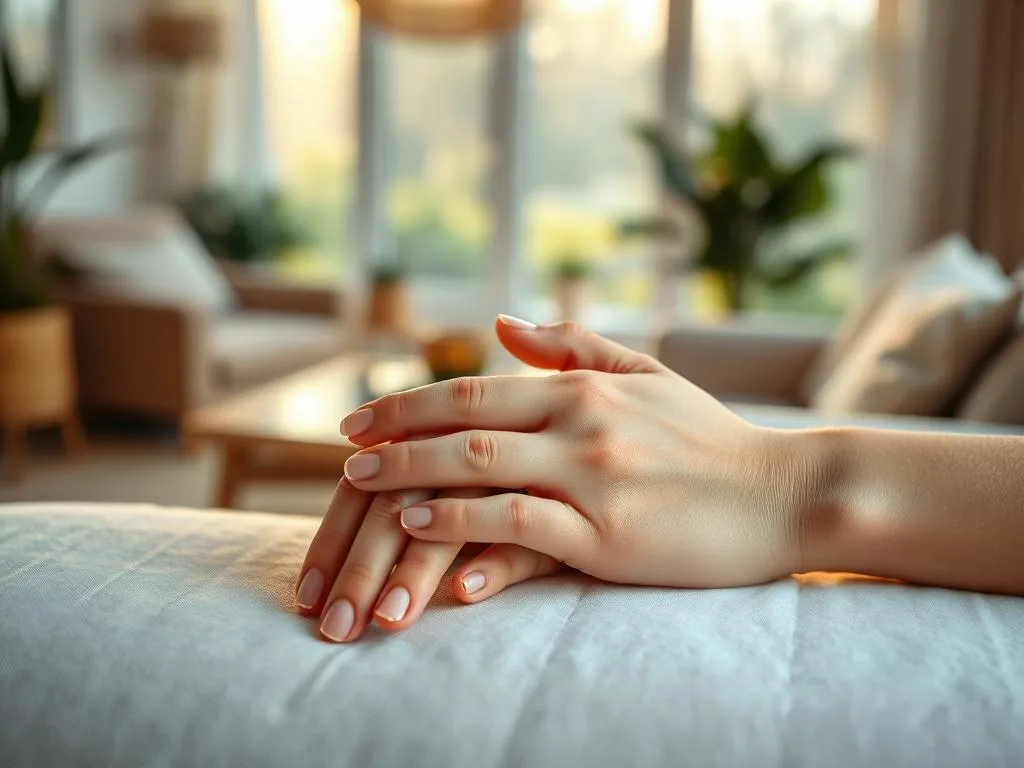
Your client smiles perfectly but their hands look stiff, clenched, or awkward. This small mistake can ruin the whole picture. Fixing hands can make a portrait go from “fine” to truly relaxed and real.
In this short section, you’ll learn easy fixes from Instagram and CreativeLive. These tips work right away on set. You’ll see how small changes can make hands look confident and natural.
Key Takeaways
- Posing hands in portraits matters: hands transmit mood as much as expressions.
- Start with soft elbows and relaxed wrists to avoid a locked, tense look.
- Create visual space between arms and body-leaning or seating helps.
- Use small, purposeful contact (pockets, hip rests) instead of pressing hands flat.
- Combine hand placement with posture and weight shift for cohesive natural posing photography.
- Practice quick portrait posing tips on set so clients feel coached, not corrected.
Why hands matter in portraits: the overlooked expression tool
Hands tell us things before words do in a photo. A relaxed hand or a light touch on the face shows mood and personality. This makes the photo better and supports natural posing.
How hands communicate mood and personality
Small gestures tell big stories. A loose palm can show you’re easygoing. Fingers touching a lapel can mean you’re confident.
Photographers guide breath, eye line, and tiny expressions. This makes hands look natural and shows the person’s personality.
Common problems photographers see with hands
Pressed arms, clenched fists, and locked wrists are common mistakes. Hidden hands or too many props confuse the viewer. These errors happen when hands are not thought of as part of the photo.
A simple workflow helps avoid these mistakes. Tethered shooting and clear direction make sure hands are placed right in the photo.
Why a single bad hand can ruin an entire photo
One awkward finger or clenched fist can ruin a photo. Hands should be directed carefully to avoid this.
Retouching should keep hands looking real. Natural retouching makes hands look like the person’s, not too smooth.
For tips on posing hands, check out this guide at posing hands in portraits guide.
| Issue | Why it hurts the shot | Quick fix |
|---|
| Pressed arms | Makes subject look tense and wider | Create visual separation by angling elbows slightly |
| Clenched fists | Signals stress and draws attention | Relax fingers with light props or open palm cues |
| Hidden hands | Loses opportunity for expression and balance | Introduce touchpoints: lap, jacket, or a subtle prop |
| Locked wrists | Appears stiff and unnatural | Slight wrist bend and soft elbow create ease |
| Over-posed props | Feels staged and distracts from personality | Choose simple, familiar items and keep interactions subtle |
Posing hands in portraits
Hands add pause and personality to portraits. Follow clear rules for relaxed, natural, and flattering hand poses. This guide mixes real-world tips with a client posing guide for any shoot.
Primary rules to follow for relaxed hand poses
Make wrists soft and avoid straight lines. A slight bend in the elbow looks natural and inviting. Keep a little space between arms and the torso to avoid flat silhouettes.
Rest hands lightly on hips, pockets, or thighs instead of clenching. Use a light touch on the face for a thoughtful look. But do it sparingly to keep it meaningful. These tips are essential for any posing guide.
Examples of subtle, natural hand placements
Hands in pockets look casual if thumbs are visible. A light hand-on-hip with soft fingers creates elegance for many body types. Fingers grazing the cheek or a gentle hair tuck behind the ear looks candid if the pose is brief and relaxed.
Adjust poses by age and style. For older adults, keep grips softer and closer to the body for comfort. Younger clients often prefer looser, more playful placements for lifestyle shoots. Mix these moves during a session for variety.
Practical exercises to train clients quickly
Start with weight shifts: ask the subject to move weight to one leg and hold while shooting. This stabilizes the pose and calms hands. Use short “hold and breathe” counts of five seconds to lock a natural hand position.
Try quick actions to release tension: a tiny laugh, a slow hair tuck, or a small reach to a jacket lapel. Practice the “squinch” for eyes while keeping hands relaxed; that combination produces authentic expressions with natural hand placement.
| Rule | Why it helps | Quick cue to use |
|---|
| Soft wrists | Prevents stiffness and odd finger gaps | “Let the wrist fall like a flower” |
| Slight elbow bend | Creates natural lines and avoids locked joints | “Bend the elbow a little, not all the way” |
| Space from torso | Stops arms from looking flattened against the body | “Float your elbow slightly away” |
| Light touch points | Adds purpose without overpowering the face | “Lightly rest fingers on hip or pocket” |
| Short movement drills | Releases tension and produces candid moments | “Tuck hair, laugh briefly, hold for five” |
Create space and avoid pressed arms
Good portraits give subjects room to breathe. Visual separation between arms and the torso prevents a flattened silhouette. It adds natural lines that read well on camera.
How visual separation flatters the subject
Keeps the shoulders from appearing wider than they are. A one- to two-inch gap between elbow and ribcage creates a subtle shadow. This shadow gives depth without obvious posing.
Poses that naturally create gaps between arms and torso
Hands on hips with a light touch opens the waistline and suggests confidence. Slipping a hand into a pocket relaxes the shoulder and tilts the torso. Resting a forearm on a thigh when seated creates a clear break between limb and body.
Seated versus standing adjustments
When seated, cross ankles or place feet on a low step to lift one knee. That lift gives you a natural place to rest a hand and keeps arms off the sides. Place palms lightly on knees or hold the edge of the chair for an elegant, honest look.
When standing, shift weight onto one leg and angle the torso about 45 degrees to the camera. Step one foot forward and keep the elbow slightly away from the ribcage. These standing adjustments are quick to coach and very effective in natural posing photography.
| Situation | Simple adjustment | Effect on silhouette |
|---|
| Standing, straight-on | Step one foot forward; angle torso 45° | Adds depth; prevents flattened look |
| Standing, arms at side | Elbow off ribcage 1-2 in; hand to hip or pocket | Creates natural curvature; frees shoulders |
| Seated, feet flat | Place hands on knees or edge of seat | Defines arm separation; supports relaxed wrists |
| Seated, casual | Cross ankles or use low stool to raise knee | Provides a place for hands; adds dynamic angle |
| Couples or groups | Use staggered touchpoints and light rests | Prevents overlapping limbs; preserves clarity |
Bend, don’t lock: soft elbows and relaxed wrists
Small bends in the elbows and gentle curves at the wrists make a stiff portrait look relaxed. These small changes give hands purpose without taking focus from the face. Use this guide to make poses look natural and flattering.
Why a slight bend looks more natural
A slight bend makes joints look less stiff. Locked elbows create straight lines that make subjects look tense. Soft elbows make shapes that flow like the torso and neck, creating harmony.
Ask the client to imagine holding a small ball at their side. This tiny curve changes the pose right away.
Demonstrations for different body types
Tall clients often have arms that look too long when straight. Have them angle their torso a bit and lower their elbow a touch. This keeps the pose looking good.
For broader shoulders or shorter torsos, raise the elbow a bit higher. This reveals the waist and avoids a boxy look. Curvier bodies look good with a light hand on the hip and relaxed fingers. This hints at shape without squishing it.
Quick cues to use during a shoot
- “Breathe, then bend”-encourages a natural softening.
- “Imagine holding an orange”-keeps fingers relaxed.
- “Tilt your torso, not your arm”-helps tall clients avoid long-looking limbs.
Simple drills to train clients fast
- Have them flex and release the hand once, then rest it softly.
- Ask for three small elbow taps to find the right bend height for their body.
- Use a phone preview so they can see how a small change alters the pose.
| Body Type | Elbow Bend | Wrist Position | Quick Cue |
|---|
| Tall, long limbs | Subtle bend (10-15°) | Neutral, slightly forward | Tilt torso; relax shoulders |
| Broad shoulders, short torso | Higher bend (20-30°) | Angled outward to show waist | Lift elbow; soften wrist |
| Curvier figures | Moderate bend with hand on hip | Fingers relaxed, light contact | Light touch; breathe out |
| Petite subjects | Gentle bend to avoid overpowering | Close to body but not pressed | Keep space between arm and torso |
Use props and touchpoints to give hands purpose
Small props and light touchpoints make hands tell stories. In natural posing, objects help clients hold something. This reduces fidgeting and makes poses clear.
Start with everyday items that fit the scene. A coffee cup, sunglasses, or a denim jacket looks real. Use a client’s Instagram or wardrobe to pick props that match their personality.
Light touchpoints create a connection without being too hard. A light touch on the cheek or a gentle shoulder brush adds intimacy. These cues help set the mood and relationship in a client posing guide.
Be careful not to let a prop overshadow the pose. Avoid oversized bags or loud logos that distract. Also, steer clear of props that make hands look awkward or hide their shape.
Make sure the prop fits the frame and the subject. Small, neutral items keep hands visible. Encourage soft pressure and relaxed wrists for natural-looking gestures in portraits.
| Prop | Best use | Why it works | When to skip |
|---|
| Coffee cup | Casual outdoor or café portraits | Gives both hands a purpose, encourages slight bend in wrists | When cup size hides fingers or looks staged |
| Sunglasses | Head tilt, hand near face, playful pulls | Creates movement and a focal point for hands | If brand logos are distracting or client is self-conscious |
| Jacket draped over shoulder | Layered portrait, add texture and hand position | Provides a natural arm bend and relaxed grip | When gripped too tightly or bulky shoulder hides silhouette |
| Flowers or small bouquet | Soft, romantic sessions and couple shoots | Offers delicate hand placement and visual interest | When colors clash with scene or blooms look staged |
| Light touchpoint (partner) | Couples and family portraits | Signals connection with minimal movement | When pressure is heavy or touch feels forced |
Hand placement for flattering silhouettes
Small changes in hand placement can change how we look on camera. Simple tips can shape our silhouette and make our shoulders look better. They also help make our waist look narrower.
Put a hand at your hip with your thumb back and fingers forward. This small gap makes your waist look defined. You can also rest your fingertips on your thigh for a softer look.
To make your shoulders look broader, move your hand away from your body. This makes your shoulders look more defined. Men often look strong with their hands in pockets or on belts.
Techniques for creating S-curves and slimming angles
Stand on one leg and push your other hip out to start an S-curve. Place your nearest hand on that hip or gently on your thigh. This keeps your pose relaxed and makes your torso look longer.
To look slimmer, angle your body three-quarters to the camera. Let your far hand rest lightly on your back or hip. These tips can make a big difference in your photos.
| Goal | Hand position | Why it works |
|---|
| Slim waist | Hand on hip, thumb back, fingers forward | Creates visual separation and a defined waist break |
| Clear shoulders | Arm slightly away from torso, relaxed hand | Shows shoulder edge and prevents pressed arms |
| S-curve | Weight on one leg, nearest hand on hip or thigh | Emphasizes hip push and natural body curve |
| Masculine structure | Hand in pocket or on belt | Signals grounded confidence and straight lines |
| Soft, casual look | Fingertips resting on thigh with gap at arm | Keeps pose relaxed while preserving silhouette |
Directing clients: quick coaching phrases and demos
Short cues and small demos calm nerves and improve results fast. Use plain language, show the change, then let the client hold it for a breath. This client posing guide focuses on simple, repeatable lines you can use between frames.
Short, friendly cues that ease tension
Say one cue at a time. Try: “Float your fingers,” “Soft bend in the elbow,” and “Light touch on the hip.” Demonstrate each phrase on yourself or the client. Keep tone warm and direct. Use these portrait posing tips to build a relaxed rhythm during the session.
Using mirror or phone preview to reassure clients
Hold the phone preview or the studio mirror so the client can see small edits. Point to the screen and say, “See how that little fingertip shift opens the shoulder?” Repeat when needed. A quick preview turns an abstract instruction into a visible win and makes the client an active partner in the session.
A gentle Aussie-style humour line to relax people
Use light, self-deprecating humor if the client seems tense. Try: “Pretend you heard a joke you don’t want to explain.” That prompt often produces a real smile and natural hand motion. Gauge the client first; keep the line optional and friendly.
Mix these approaches into your pre-shoot run-through. Short demos, phone previews, and a gentle quip create comfort, free the hands, and deliver better frames for any client posing guide or posing hands in portraits workflow.
Hands with movement: natural gestures and candid feels
Movement makes portraits come alive. A quick move can turn a static pose into something real. Ask your subjects to do small actions over and over. This way, you catch their hands in natural poses.
Shooting continuous frames to catch real gestures
Using a high frame rate helps find the perfect gesture. It catches moments like fingers moving or hands settling. Look through the frames fast to find the one that feels right.
Encouraging small actions: tuck hair, sip coffee, walk
Give your subjects simple tasks like tucking hair or adjusting a jacket. These actions keep their hands busy without forcing a pose. Doing the action a few times gives you many options.
How laughter and genuine interaction free the hands
Start real conversations or share funny stories. Laughter makes people relax and their hands move naturally. When people laugh, their hands show genuine touches that tell a story.
Here’s a quick guide for planning your shots and actions.
| Technique | What to ask | Camera settings | Expected hand results |
|---|
| Sustained burst | “Slowly tuck hair behind the ear three times.” | High frame rate, 1/250s or faster | Natural finger placement, varied wrist angles, candid moments |
| Action repeat | “Take a small step and look away, then back.” | Continuous AF, wide aperture for subject separation | Fluid arm lines, relaxed hands, improved silhouettes |
| Interactive cue | “Tell each other something funny.” | Moderate shutter, use fill light if needed | Genuine touches, expressive gestures, warm contact points |
| Prop action | “Sip from the cup, then set it down.” | High shutter, shallow depth to isolate hands | Pleasure of purpose, clear hand intent, natural posing photography benefits |
Lighting and composition tips that flatter hands
Good light and tight composition make posing hands in portraits clear. Small changes in angle, background, and lens choice help fingers stay in shape. These tips help keep hands expressive and natural during a session.

Side light sculpts fingers and palms. Place a soft source at 45 degrees to show texture and finger gaps. This approach from Instagram portrait creators shows pleasing separation without harsh shadows.
Rim or back light can outline hands against the scene. Use a narrow rim to separate a hand from clothing. Avoid flat overhead light that tends to mush finger detail and makes hands look heavy.
Choose backgrounds with contrast so hands do not disappear. A simple, darker backdrop will let lighter skin and jewelry read. Leave negative space around hands so the eye lands on the gesture instead of clutter.
Keep negative space practical. Frame to allow a margin around the hands and avoid cropping through joints. This small buffer prevents accidental cuts and keeps the pose intentional.
Lens choice affects proportion. On full frame cameras, a 50mm to 85mm range gives natural hand proportions at modest working distances. Stay back and zoom in instead of using a wide-angle close-up to prevent enlarged, distorted fingers.
Working distance matters for candid movement. When subjects move hands slightly, a moderate distance keeps motion natural and reduces perspective exaggeration. These portrait posing tips help you balance reach with intimacy.
Use subtle modifiers like a small reflector to lift shadow under the hand. This soft fill keeps texture visible without flattening the sculpting light you created. Small adjustments preserve the gesture while keeping tones even.
| Issue | Lighting or Composition Fix | Quick Tip |
|---|
| Fingers blend into background | Add rim light or choose contrasting backdrop | Place subject a few feet from background; use a hair light |
| Flat, lifeless hands | Introduce side light at 30-60° with softbox or window | Rotate subject slightly until finger gaps appear |
| Distorted proportions | Swap wide-angle for 50-85mm and step back | Zoom in from distance instead of moving camera close |
| Hands lost in clutter | Simplify background and increase negative space | Crop to keep clear margins around hands |
| Harsh shadows on palms | Use small fill reflector or soft fill flash | Bounce into white card instead of direct flash |
Posing hands for different demographics and styles
Hands can change a portrait’s feel more than many photographers think. This guide helps with hand poses for adults, men, women, and groups. Use simple, clear directions for quick results.
Natural adult portraits (25+): mature, relaxed touches
For adults 25 and up, choose subtle hand poses. Ask them to rest their fingertips on a thigh or let a palm graze the side. These poses help stop fidgeting and bring calm looks.
Men’s hand posing: grounded, confident positions
Men look good in stable poses. Try a thumb in a pocket or hands on hips. Keep wrists relaxed and avoid tight fists for a natural look.
Women’s hand posing: elegant curves and casual rests
Women look great with soft wrist curves and light touches. A soft elbow bend adds grace. Use small props like a jacket or coffee cup to add purpose.
Group portraits: connections and staggered touchpoints
In groups, use staggered hand touches to show bonds. Place hands on shoulders or link arms. Keep hands spread out to form a network, not a cluster.
These tips work well with quick demos. Give one cue, show the pose, then take three photos. Use these tips to improve poses and keep sessions fast.
Common mistakes and how to fix them on the fly
Quick fixes keep a session going and clients calm. Use moves from your posing guide to fix clenched fists and stiff wrists. Small cues and a calm voice help avoid tension.
Clenched fists, stiff wrists, and hidden hands-quick fixes
For tight fists, say “open your hands like you’re holding a small apple.” This helps relax the hands fast. If wrists are stiff, shake hands briefly and then rest them on something.
Hidden hands look bad in photos. Try putting just your fingertips in a pocket for a casual look. Rest a palm on your hip with your thumb back to keep lines clean.
When to change pose versus change lighting
If hands are in shadow, try moving the subject a bit or getting closer to light. A small move can save time and keep the mood right. Change lighting only when moving can’t fix it.
For glare or harsh highlights, soften the light with a diffuser or change its angle. Use these tricks carefully to keep the session smooth and the client comfortable.
How to rehearse a handful of go-to hand poses before a session
Practice a few reliable poses to guide clients quickly. Good ones include hand-on-hip, fingertips-on-face, hand-in-pocket, and forearm-on-thigh. Practice with models or friends to get better.
Record short clips of each pose from different angles. Watch them before shoots to get your timing right. This prep makes your posing tips feel natural and confident.
| Common Problem | Quick Verbal Cue | Fast Physical Fix |
|---|
| Clenched fists | “Hold a small apple” | Relax fingers, thumbs slightly apart |
| Stiff wrists | “Float the wrist, then rest” | Shake briefly, then place fingertips on leg |
| Hidden hands | “Try fingertips in pocket” | Slide fingertips into pocket, leave knuckles visible |
| Over-gripped prop | “Hold it lightly” | Loosen grip, cradle prop with soft fingers |
| Hands in shadow | “Step forward a touch” | Move subject toward light or change background contrast |
Two shareables: quick tips list and message to a friend
Keep these two ready-to-share items on your phone. Use the micro-tips as graphics on Instagram. Send the client note in a DM or confirmation email. Both help remind clients about portrait posing tips and natural posing photography before they arrive.
Shareable tip list for social - five micro-tips for a graphic or story. Each tip is short, visual, and easy to read.
- Slight elbow bend beats lock every time.
- Keep 1-2 inches between arm and torso for flattering lines.
- Float your fingers-don’t clench; relaxed hands read better on camera.
- Use a small prop like a cup or sunglasses to give hands purpose.
- Move: tuck hair, take a small step, or shift weight to create candid motion.
Shareable friend message - a brief, friendly note photographers can send to clients. This reassures and primes the subject with concrete portrait posing tips.
“Hey! Quick tip before our shoot: keep elbows soft, fingers relaxed, and if you’re unsure-pop one hand in a pocket with your thumb out. See you soon!”
| Format | Purpose | Where to Use |
|---|
| Micro-tip Graphic | Fast visual cues for posing hands in portraits | Instagram feed, stories, Pinterest |
| Short DM Message | Personal reassurance with portrait posing tips | Booking confirmation, Instagram DM, text |
| Client Prep Email | Detailed prep with examples for natural posing photography | Email campaigns, client portals |
| On-set Prompt Cards | Quick cues during the session to fix hands on the fly | Studio, location shoots |
Disclaimer and references
This guide is for learning how to pose hands in portraits. It shares tips used by pros. Always make sure your client is comfortable and okay with the pose.
Examples and trends come from Instagram. CreativeLive also helps with in-depth tutorials. They show how to pose hands in portraits.
References: Instagram; Instagram; CreativeLive; expert portrait photographer commentary. These sources help with examples and exercises. But, always listen to your client for the best results.
FAQ
What is the best short description of this guide?
This guide teaches how to make hands look good in portraits. It uses tips from Instagram and CreativeLive. It helps photographers make hands look natural and purposeful.
Why do hands matter in a portrait?
Hands show mood, personality, and what someone is thinking. They add lines and guide the eye. Good hand poses make a photo better.
How do hands communicate mood and personality?
Open palms and soft wrists look friendly. Hands in pockets show confidence. Touching someone or holding a prop tells a story.
What are the most common hand problems photographers see?
Common mistakes are locked elbows and stiff hands. These make poses look fake. Fixing these quickly is important.
Can a single bad hand ruin a shot?
Yes. A stiff hand can ruin a photo. Make sure hands are posed well to avoid distractions.
What are the primary rules for relaxed hand poses?
Keep elbows slightly bent and wrists soft. Make sure there’s space between arms and body. Hands should look like they’re doing something.
What are simple, natural hand placements I can use immediately?
Try hands in pockets, on hips, or touching someone. These poses look natural. Keep hands relaxed.
What quick exercises help clients relax their hands on set?
Ask clients to shift their weight or pretend to drink. These actions help relax hands. Practice poses before shooting.
How does creating space between the arm and torso flatter a subject?
Space makes the body look better. It shows off waist and shoulders. This makes the body look slim or defined.
Which poses naturally create gaps between arms and body?
Hands on hips or in pockets work well. So does resting a forearm on a thigh. These poses create space.
What seated adjustments help hands read better?
Cross ankles or use a stool to lift a knee. Place hands on thighs with wrists relaxed. Avoid pressing arms against the body.
Why is “bend, don’t lock” important for elbows and wrists?
Bending adds curves and looks natural. Locked joints look stiff. This makes hands look intentional.
How should posing change for different body types?
Adjust poses for body shape. Raise elbows for broad shoulders. Keep bends subtle for long limbs. Use props for curvy subjects.
What everyday props work best for hand posing?
Use small, real props like coffee cups. Avoid big or branded items. Props should match the subject’s style.
How do touchpoints with partners or surroundings improve portraits?
Light touches show connection. Use them to add intimacy. Make sure hands are visible and balanced.
When do props make a pose worse?
Props are bad if gripped too hard or too big. Avoid staged looks. Props should enhance, not hide, hand poses.
How can hands change perceived waist and shoulder lines?
Hands on hips slim the waist. Lift arms to define shoulders. Resting hands on thighs keeps the body open.
Which techniques create S-curves or slimming angles?
Shift weight and use props to slim. Angle the body and use light touches. This enhances curves.
What short coaching phrases work best on set?
Use simple phrases like “Float your fingers.” Show phone previews to guide clients. This helps them relax and follow cues.
How can a mirror or phone preview help clients?
Mirrors or phones show real-time results. This helps clients adjust small hand movements. It avoids overcoaching.
Can humor help relax hands? What’s a safe line?
Gentle humor can help. Say something like “Pretend you heard a joke.” Match the humor to the client’s mood.
Why shoot continuous frames for hand movement?
Continuous frames capture real gestures. This makes photos look natural. A higher frame rate keeps important moments.
What small actions produce natural hand placement?
Actions like tucking hair or taking a step help. These actions encourage natural hand poses. Practice these to improve.
How does lighting affect how hands read in a portrait?
Side light makes fingers stand out. Avoid flat light that flattens hands. Adjust lighting to make hands visible.
What backgrounds and negative space help hands remain visible?
Use contrasting backgrounds to show hands. Leave space around hands. Avoid dark or busy areas that hide hands.
Which lenses and distances flatter hands?
Use 50mm-85mm lenses at a distance. This keeps hands looking natural. Avoid wide angles that distort hands.
How should hand posing differ for adults 25+ and various styles?
Adults like subtle poses. Men prefer grounded poses. Women like soft wrists and light touches. Groups use staggered poses and light touches.
What short coaching phrases work best on set?
Use simple phrases like “Float your fingers.” Show phone previews to guide clients. This helps them relax and follow cues.
How can a mirror or phone preview help clients?
Mirrors or phones show real-time results. This helps clients adjust small hand movements. It avoids overcoaching.
Can humor help relax hands? What’s a safe line?
Gentle humor can help. Say something like “Pretend you heard a joke.” Match the humor to the client’s mood.
Why shoot continuous frames for hand movement?
Continuous frames capture real gestures. This makes photos look natural. A higher frame rate keeps important moments.
What small actions produce natural hand placement?
Actions like tucking hair or taking a step help. These actions encourage natural hand poses. Practice these to improve.
How does lighting affect how hands read in a portrait?
Side light makes fingers stand out. Avoid flat light that flattens hands. Adjust lighting to make hands visible.
What backgrounds and negative space help hands remain visible?
Use contrasting backgrounds to show hands. Leave space around hands. Avoid dark or busy areas that hide hands.
Which lenses and distances flatter hands?
Use 50mm-85mm lenses at a distance. This keeps hands looking natural. Avoid wide angles that distort hands.
How should hand posing differ for adults 25+ and various styles?
Adults like subtle poses. Men prefer grounded poses. Women like soft wrists and light touches. Groups use staggered poses and light touches.
What short coaching phrases work best on set?
Use simple phrases like “Float your fingers.” Show phone previews to guide clients. This helps them relax and follow cues.
How can a mirror or phone preview help clients?
Mirrors or phones show real-time results. This helps clients adjust small hand movements. It avoids overcoaching.
Can humor help relax hands? What’s a safe line?
Gentle humor can help. Say something like “Pretend you heard a joke.” Match the humor to the client’s mood.
Why shoot continuous frames for hand movement?
Continuous frames capture real gestures. This makes photos look natural. A higher frame rate keeps important moments.
What small actions produce natural hand placement?
Actions like tucking hair or taking a step help. These actions encourage natural hand poses. Practice these to improve.
How does lighting affect how hands read in a portrait?
Side light makes fingers stand out. Avoid flat light that flattens hands. Adjust lighting to make hands visible.
What backgrounds and negative space help hands remain visible?
Use contrasting backgrounds to show hands. Leave space around hands. Avoid dark or busy areas that hide hands.
Which lenses and distances flatter hands?
Use 50mm-85mm lenses at a distance. This keeps hands looking natural. Avoid wide angles that distort hands.
How should hand posing differ for adults 25+ and various styles?
Adults like subtle poses. Men prefer grounded poses. Women like soft wrists and light touches. Groups use staggered poses and light touches.
What short coaching phrases work best on set?
Use simple phrases like “Float your fingers.” Show phone previews to guide clients. This helps them relax and follow cues.
How can a mirror or phone preview help clients?
Mirrors or phones show real-time results. This helps clients adjust small hand movements. It avoids overcoaching.
Can humor help relax hands? What’s a safe line?
Gentle humor can help. Say something like “Pretend you heard a joke.” Match the humor to the client’s mood.
Why shoot continuous frames for hand movement?
Continuous frames capture real gestures. This makes photos look natural. A higher frame rate keeps important moments.
What small actions produce natural hand placement?
Actions like tucking hair or taking a step help. These actions encourage natural hand poses. Practice these to improve.
How does lighting affect how hands read in a portrait?
Side light makes fingers stand out. Avoid flat light that flattens hands. Adjust lighting to make hands visible.
What backgrounds and negative space help hands remain visible?
Use contrasting backgrounds to show hands. Leave space around hands. Avoid dark or busy areas that hide hands.
Which lenses and distances flatter hands?
Use 50mm-85mm lenses at a distance. This keeps hands looking natural. Avoid wide angles that distort hands.
How should hand posing differ for adults 25+ and various styles?
Adults like subtle poses. Men prefer grounded poses. Women like soft wrists and light touches. Groups use staggered poses and light touches.
What short coaching phrases work best on set?
Use simple phrases like “Float your fingers.” Show phone previews to guide clients. This helps them relax and follow cues.
How can a mirror or phone preview help clients?
Mirrors or phones show real-time results. This helps clients adjust small hand movements. It avoids overcoaching.
Can humor help relax hands? What’s a safe line?
Gentle humor can help. Say something like “Pretend you heard a joke.” Match the humor to the client’s mood.
Why shoot continuous frames for hand movement?
Continuous frames capture real gestures. This makes photos look natural. A higher frame rate keeps important moments.
What small actions produce natural hand placement?
Actions like tucking hair or taking a step help. These actions encourage natural hand poses. Practice these to improve.
How does lighting affect how hands read in a portrait?
Side light makes fingers stand out. Avoid flat light that flattens hands. Adjust lighting to make hands visible.
What backgrounds and negative space help hands remain visible?
Use contrasting backgrounds to show hands. Leave space around hands. Avoid dark or busy areas that hide hands.
Which lenses and distances flatter hands?
Use 50mm-85mm lenses at a distance. This keeps hands looking natural. Avoid wide angles that distort hands.
How should hand posing differ for adults 25+ and various styles?
Adults like subtle poses. Men prefer grounded poses. Women like soft wrists and light touches. Groups use staggered poses and light touches.
What short coaching phrases work best on set?
Use simple phrases like “Float your fingers.” Show phone previews to guide clients. This helps them relax and follow cues.
How can a mirror or phone preview help clients?
Mirrors or phones show real-time results. This helps clients adjust small hand movements. It avoids overcoaching.
Can humor help relax hands? What’s a safe line?
Gentle humor can help. Say something like “Pretend you heard a joke.” Match the humor to the client’s mood.
Why shoot continuous frames for hand movement?
Continuous frames capture real gestures. This makes photos look natural. A higher frame rate keeps important moments.
What small actions produce natural hand placement?
Actions like tucking hair or taking a step help. These actions encourage natural hand poses. Practice these to improve.
How does lighting affect how hands read in a portrait?
Side light makes fingers stand out. Avoid flat light that flattens hands. Adjust lighting to make hands visible.
What backgrounds and negative space help hands remain visible?
Use contrasting backgrounds to show hands. Leave space around hands. Avoid dark or busy areas that hide hands.
Which lenses and distances flatter hands?
Use 50mm-85mm lenses at a distance. This keeps hands looking natural. Avoid wide angles that distort hands.
How should hand posing differ for adults 25+ and various styles?
Adults like subtle poses. Men prefer grounded poses. Women like soft wrists and light touches. Groups use staggered poses and light touches.
What short coaching phrases work best on set?
Use simple phrases like “Float your fingers.” Show phone previews to guide clients. This helps them relax and follow cues.
How can a mirror or phone preview help clients?
Mirrors or phones show real-time results. This helps clients adjust small hand movements. It avoids overcoaching.
Can humor help relax hands? What’s a safe line?
Gentle humor can help. Say something like “Pretend you heard a joke.” Match the humor to the client’s mood.
Why shoot continuous frames for hand movement?
Continuous frames capture real gestures. This makes photos look natural. A higher frame rate keeps important moments.
What small actions produce natural hand placement?
Actions like tucking hair or taking a step help. These actions encourage natural hand poses. Practice these to improve.
How does lighting affect how hands read in a portrait?
Side light makes fingers stand out. Avoid flat light that flattens hands. Adjust lighting to make hands visible.
What backgrounds and negative space help hands remain visible?
Use contrasting backgrounds to show hands. Leave space around hands. Avoid dark or busy areas that hide hands.
Which lenses and distances flatter hands?
Use 50mm-85mm lenses at a distance. This keeps hands looking natural. Avoid wide angles that distort hands.
How should hand posing differ for adults 25+ and various styles?
Adults like subtle poses. Men prefer grounded poses. Women like soft wrists and light touches. Groups use staggered poses and light touches.
What short coaching phrases work best on set?
Use simple phrases like “Float your fingers.” Show phone previews to guide clients. This helps them relax and follow cues.
How can a mirror or phone preview help clients?
Mirrors or phones show real-time results. This helps clients adjust small hand movements. It avoids overcoaching.
Can humor help relax hands? What’s a safe line?
Gentle humor can help. Say something like “Pretend you heard a joke.” Match the humor to the client’s mood.
Why shoot continuous frames for hand movement?
Continuous frames capture real gestures. This makes photos look natural. A higher frame rate keeps important moments.
What small actions produce natural hand placement?
Actions like tucking hair or taking a step help. These actions encourage natural hand poses. Practice these to improve.
How does lighting affect how hands read in a portrait?
Side light makes fingers stand out. Avoid flat light that flattens hands. Adjust lighting to make hands visible.
What backgrounds and negative space help hands remain visible?
Use contrasting backgrounds to show hands. Leave space around hands. Avoid dark or busy areas that hide hands.
Which lenses and distances flatter hands?
Use 50mm-85mm lenses at a distance. This keeps hands looking natural. Avoid wide angles that distort hands.
How should hand posing differ for adults 25+ and various styles?
Adults like subtle poses. Men prefer grounded poses. Women like soft wrists and light touches. Groups use staggered poses and light touches.
What short coaching phrases work best on set?
Use simple phrases like “Float your fingers.” Show phone previews to guide clients. This helps them relax and follow cues.
How can a mirror or phone preview help clients?
Mirrors or phones show real-time results. This helps clients adjust small hand movements. It avoids overcoaching.
Can humor help relax hands? What’s a safe line?
Gentle humor can help. Say something like “Pretend you heard a joke.” Match the humor to the client’s mood.
Why shoot continuous frames for hand movement?
Continuous frames capture real gestures. This makes photos look natural. A higher frame rate keeps important moments.
What small actions produce natural hand placement?
Actions like tucking hair or taking a step help. These actions encourage natural hand poses. Practice these to improve.
How does lighting affect how hands read in a portrait?
Side light makes fingers stand out. Avoid flat light that flattens hands. Adjust lighting to make hands visible.
What backgrounds and negative space help hands remain visible?
Use contrasting backgrounds to show hands. Leave space around hands. Avoid dark or busy areas that hide hands.
Which lenses and distances flatter hands?
Use 50mm-85mm lenses at a distance. This keeps hands looking natural. Avoid wide angles that distort hands.
How should hand posing differ for adults 25+ and various styles?
Adults like subtle poses. Men prefer grounded poses. Women like soft wrists and light touches. Groups use staggered poses and light touches.
What short coaching phrases work best on set?
Use simple phrases like “Float your fingers.” Show phone previews to guide clients. This helps them relax and follow cues.
How can a mirror or phone preview help clients?
Mirrors or phones show real-time results. This helps clients adjust small hand movements. It avoids overcoaching.
Can humor help relax hands? What’s a safe line?
Gentle humor can help. Say something like “Pretend you heard a joke.” Match the humor to the client’s mood.
Why shoot continuous frames for hand movement?
Continuous frames capture real gestures. This makes photos look natural. A higher frame rate keeps important moments.
What small actions produce natural hand placement?
Actions like tucking hair or taking a step help. These actions encourage natural hand poses. Practice these to improve.
How does lighting affect how hands read in a portrait?
Side light makes fingers stand out. Avoid flat light that flattens hands. Adjust lighting to make hands visible.
What backgrounds and negative space help hands remain visible?
Use contrasting backgrounds to show hands. Leave space around hands. Avoid dark or busy areas that hide hands.
Which lenses and distances flatter hands?
Use 50mm-85mm lenses at a distance. This keeps hands looking natural. Avoid wide angles that distort hands.
How should hand posing differ for adults 25+ and various styles?
Adults like subtle poses. Men prefer grounded poses. Women like soft wrists and light touches. Groups use staggered poses and light touches.
What short coaching phrases work best on set?
Use simple phrases like “Float your fingers.” Show phone previews to guide clients. This helps them relax and follow cues.
How can a mirror or phone preview help clients?
Mirrors or phones show real-time results. This helps clients adjust small hand movements. It avoids overcoaching.
Can humor help relax hands? What’s a safe line?
Gentle humor can help. Say something like “Pretend you heard a joke.” Match the humor to the client’s mood.
Why shoot continuous frames for hand movement?
Continuous frames capture real gestures. This makes photos look natural. A higher frame rate keeps important moments.
What small actions produce natural hand placement?
Actions like tucking hair or taking a step help. These actions encourage natural hand poses. Practice these to improve.
How does lighting affect how hands read in a portrait?
Side light makes fingers stand out. Avoid flat light that flattens hands. Adjust lighting to make hands visible.
What backgrounds and negative space help hands remain visible?
Use contrasting backgrounds to show hands. Leave space around hands. Avoid dark or busy areas that hide hands.
Which lenses and distances flatter hands?
Use 50mm-85mm lenses at a distance. This keeps hands looking natural. Avoid wide angles that distort hands.
How should hand posing differ for adults 25+ and various styles?
Adults like subtle poses. Men prefer grounded poses. Women like soft wrists and light touches. Groups use staggered poses and light touches.
What short coaching phrases work best on set?
Use simple phrases like “Float your fingers.” Show phone previews to guide clients. This helps them relax and follow cues.
How can a mirror or phone preview help clients?
Mirrors or phones show real-time results. This helps clients adjust small hand movements. It avoids overcoaching.
Can humor help relax hands? What’s a safe line?
Gentle humor can help. Say something like “Pretend you heard a joke.” Match the humor to the client’s mood.
Why shoot continuous frames for hand movement?
Continuous frames capture real gestures. This makes photos look natural. A higher frame rate keeps important moments.
What small actions produce natural hand placement?
Actions like tucking hair or taking a step help. These actions encourage natural hand poses. Practice these to improve.
How does lighting affect how hands read in a portrait?
Side light makes fingers stand out. Avoid flat light that flattens hands. Adjust lighting to make hands visible.
What backgrounds and negative space help hands remain visible?
Use contrasting backgrounds to show hands. Leave space around hands. Avoid dark or busy areas that hide hands.
Which lenses and distances flatter hands?
Use 50mm-85mm lenses at a distance. This keeps hands looking natural. Avoid wide angles that distort hands.
How should hand posing differ for adults 25+ and various styles?
Adults like subtle poses. Men prefer grounded poses. Women like soft wrists and light touches. Groups use staggered poses and light touches.
What short coaching phrases work best on set?
Use simple phrases like “Float your fingers.” Show phone previews to guide clients. This helps them relax and follow cues.
How can a mirror or phone preview help clients?
Mirrors or phones show real-time results. This helps clients adjust small hand movements. It avoids overcoaching.
Can humor help relax hands? What’s a safe line?
Gentle humor can help. Say something like “Pretend you heard a joke.” Match the humor to the client’s mood.
Why shoot continuous frames for hand movement?
Continuous frames capture real gestures. This makes photos look natural. A higher frame rate keeps important moments.
What small actions produce natural hand placement?
Actions like tucking hair or taking a step help. These actions encourage natural hand poses. Practice these to improve.
How does lighting affect how hands read in a portrait?
Side light makes fingers stand out. Avoid flat light that flattens hands. Adjust lighting to make hands visible.
What backgrounds and negative space help hands remain visible?
Use contrasting backgrounds to show hands. Leave space around hands. Avoid dark or busy areas that hide hands.
Which lenses and distances flatter hands?
Use 50mm-85mm lenses at a distance. This keeps hands looking natural. Avoid wide angles that distort hands.
How should hand posing differ for adults 25+ and various styles?
Adults like subtle poses. Men prefer grounded poses. Women like soft wrists and light touches. Groups use staggered poses and light touches.
What short coaching phrases work best on set?
Use simple phrases like “Float your fingers.” Show phone previews to guide clients. This helps them relax and follow cues.
How can a mirror or phone preview help clients?
Mirrors or phones show real-time results. This helps clients adjust small hand movements. It avoids overcoaching.
Can humor help relax hands? What’s a safe line?
Gentle humor can help. Say something like “Pretend you heard a joke.” Match the humor to the client’s mood.
Why shoot continuous frames for hand movement?
Continuous frames capture real gestures. This makes photos look natural. A higher frame rate keeps important moments.
What small actions produce natural hand placement?
Actions like tucking hair or taking a step help. These actions encourage natural hand poses. Practice these to improve.
How does lighting affect how hands read in a portrait?
Side light makes fingers stand out. Avoid flat light that flattens hands. Adjust lighting to make hands visible.
What backgrounds and negative space help hands remain visible?
Use contrasting backgrounds to show hands. Leave space around hands. Avoid dark or busy areas that hide hands.
Which lenses and distances flatter hands?
Use 50mm-85mm lenses at a distance. This keeps hands looking natural. Avoid wide angles that distort hands.
How should hand posing differ for adults 25+ and various styles?
Adults like subtle poses. Men prefer grounded poses. Women like soft wrists and light touches. Groups use staggered poses and light touches.
What short coaching phrases work best on set?
Use simple phrases like “Float your fingers.” Show phone previews to guide clients. This helps them relax and follow cues.
How can a mirror or phone preview help clients?
Mirrors or phones show real-time results. This helps clients adjust small hand movements. It avoids overcoaching.
Can humor help relax hands? What’s a safe line?
Gentle humor can help. Say something like “Pretend you heard a joke.” Match the humor to the client’s mood.
Why shoot continuous frames for hand movement?
Continuous frames capture real gestures. This makes photos look natural. A higher frame rate keeps important moments.
What small actions produce natural hand placement?
Actions like tucking hair or taking a step help. These actions encourage natural hand poses. Practice these to improve.