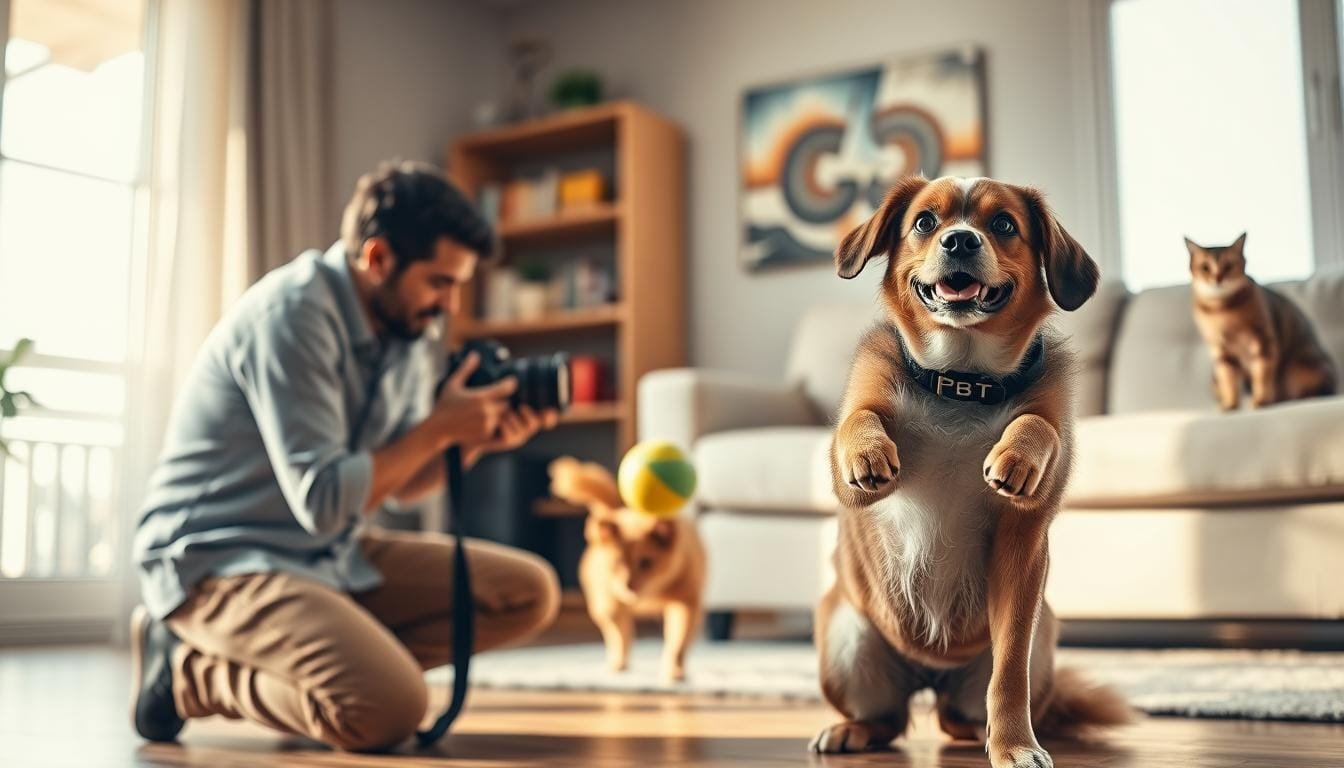
As a photographer with over ten years of experience, I’ve learned that capturing animals can be a bit of a challenge. Unlike humans, who can pose and smile on cue, our furry friends often have their own agenda. I remember one sunny afternoon on my Maryland hobby farm, trying to snap a photo of my dog, Max. He was excitedly darting around, completely oblivious to my camera. Every time I thought I had the perfect shot, he would turn his head or wander off to chase a chicken!
This experience taught me that timing and approach are crucial when photographing animals. It’s essential to create a calm environment and keep sessions short before they decide that the camera is yesterday’s news. Whether you’re using an iPhone or a DSLR, I’ll share a practical workflow that focuses on familiar spaces and natural light. The goal is to capture those sharp eyes and relaxed expressions that tell a genuine story, rather than stiff, over-produced portraits.
In this guide, we’ll explore how to photograph not just dogs and cats, but also chickens, quail, and rabbits. Remember, safety and comfort come first, ensuring your subjects are at ease before you start shooting.
Key Takeaways
- Animals can be unpredictable, making photography a unique challenge.
- Creating a calm environment helps capture natural expressions.
- Short sessions keep pets engaged and focused.
- Using both iPhone and DSLR can yield great results.
- Safety and comfort for your subjects are paramount.
Understanding the Unique Challenges of Photographing Pets
Capturing the essence of animals through a lens is often more challenging than it seems. One significant factor is the environment in which the animal is photographed. Familiar surroundings, like a pet bed or yard, can greatly enhance their comfort and willingness to pose naturally.
In contrast, unfamiliar places, such as parks, introduce new sights and smells that can distract animals. For instance, a dog or cat may look away or freeze when overwhelmed by their surroundings. This can lead to missed opportunities for those perfect shots.
To help your subject relax, arrive early and lower your camera. Wait quietly to allow the animal to adjust to minor changes in their environment. This approach encourages natural behaviors like sleeping, sitting, or window-watching, which result in more authentic photographs.
At my Maryland hobby farm, my animals are accustomed to my children’s presence, making them more relaxed during photo sessions. This familiarity is key to capturing genuine moments, rather than stiff portraits.
Setting Up a Comfortable and Effective Studio Environment
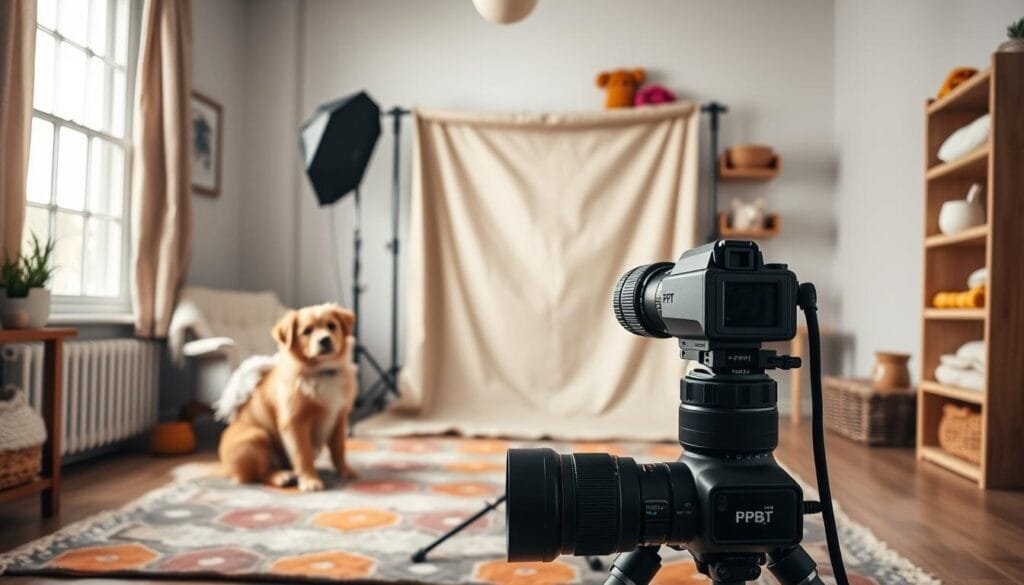
Establishing an inviting setting can make all the difference in photographing animals. A well-organized space not only helps the animal feel at ease but also enhances the quality of your shots. Here are some essential setup tips for creating a comfortable environment.
First, clear any clutter from the shooting area. Items like laundry or dirty dishes can distract from an otherwise strong image. Next, place your subject near a window or glass door to take advantage of natural light. This will help you avoid the yellowish tones and unflattering shadows often caused by overhead lights.
Keep the setup simple, especially for dogs or small animals. A large rearrangement can disturb their familiar space, which is crucial for capturing relaxed portraits. Additionally, consider packing a foldable V-Flat for use in client homes or shelters. This portable backdrop can help control light and create a clean background.
Before the session, take test photographs to check for background distractions and ensure proper exposure. Adjust the position of props in the frame to get the best possible shot.
| Setup Tip | Description |
|---|---|
| Clear Clutter | Remove distractions from the shooting area. |
| Use Natural Light | Position near windows to avoid harsh overhead lighting. |
| Keep It Simple | Avoid large changes to the environment to maintain comfort. |
| Pack a V-Flat | Use a portable backdrop for flexibility in different settings. |
| Test Shots | Check background and exposure before the session starts. |
Capturing Natural Expressions with Light and Angles
Capturing genuine expressions in animals requires an understanding of light and angles. Utilizing natural light is key to achieving authentic images. For instance, photographing near a window can enhance the visibility of fur texture and whiskers. This technique allows for beautiful catchlights in the eyes without the harshness of flash photography.
When I photograph animals, I often kneel to their eye level. This simple adjustment changes the relationship between the subject and the surrounding environment. It can make the animal feel more at ease and reveal their true personality.
To further explore this concept, consider using a 100mm macro lens for close-up details, such as paws or whiskers. Alternatively, a 35mm lens can capture wider environmental shots. Experimenting with angles-like shooting from above, below, or through natural elements-can transform an ordinary setting into a captivating composition.
For a practical demonstration, I recommend comparing two shots of the same animal: one taken from standing height and another from eye level. This will illustrate how different perspectives can impact the expression and overall frame of the photograph.
| Technique | Description |
|---|---|
| Natural Light | Use window light to enhance texture and catchlights. |
| Eye Level | Kneel to the animal’s level for a more intimate perspective. |
| Macro Lens | Capture details like paws and whiskers with a 100mm lens. |
| Wide Angle | Utilize a 35mm lens for broader environmental shots. |
| Varied Angles | Experiment with shooting from different heights and perspectives. |
For more insights on shooting stunning portraits, check out this guide.
pet photography tips - Mastering Focus and Depth of Field
Mastering focus and depth of field is essential for capturing stunning images of animals. The right settings can significantly enhance your shots. For instance, a wider depth of field, such as f/5 or higher, helps keep a long-nosed animal’s face sharp. When you prioritize focus on the eyes, your portraits will feel more complete.
Using a 50mm f/1.8 prime lens is a compact option for indoor settings. If you need to maintain distance, consider a 70-200mm f/2.8 lens, which allows for flexibility while keeping your subject comfortable. Alternatively, longer lenses like an 85mm f/1.8 or 135mm prime can also yield excellent results.
Wide apertures, such as f/1.8 to f/2.8, can create beautiful bokeh effects. However, f/2.8 is more forgiving for moving animals and close portraits. Remember, when photographing long-nosed dogs or horses, using f/5 or higher ensures their entire face remains in focus.
Modern cameras, like the Sony A7 III and A7R III, now feature animal eye autofocus, enhancing your ability to capture those captivating moments. Always check your camera’s capabilities to make the most of these advancements.
| Setting | Recommended Value |
|---|---|
| Depth of Field | f/5 or higher for long-nosed animals |
| Compact Lens | 50mm f/1.8 for indoor shots |
| Distance Lens | 70-200mm f/2.8 for comfort |
| Longer Lens | 85mm f/1.8 or 135mm for portraits |
| Aperture | f/1.8 to f/2.8 for bokeh |
Engaging Your Subjects: Techniques for Relaxed and Genuine Shots
Creating a relaxed atmosphere is vital for achieving authentic shots of your furry subjects. Engaging with animals can lead to wonderful moments if approached correctly. Here are some practical methods to keep your subjects at ease during a photo session.
First, let the dog approach the camera at its own pace. Following Adam Goldberg’s advice, this space and patience can produce more relaxed, authentic expressions. You can also use high-value treats, like small pieces of cheese or hot dogs, but always ask the owner for approval first.
Before shooting, allow the dog to sniff the camera. This helps the unfamiliar object become part of their environment rather than a threat. If a strobe frightens the animal, consider reducing its power and increasing the ISO, or switch to continuous lighting.
Lastly, don’t hesitate to take breaks. If the dog seems anxious or uninterested, stopping for a moment can prevent discomfort from showing in your final shots.
Creative Tricks to Highlight Your Pet’s Personality
Finding creative ways to showcase an animal’s personality can elevate your photography. Using quirky props can add a playful touch to your shots. Consider items like leaves, flowers, or even a favorite food dish. These elements can help reveal the unique traits of your furry friends without forcing them into a formal pose.
Here are some ideas to keep in mind:
- Photograph ears, paws, and whiskers to capture personality naturally.
- Introduce props slowly, like a leash or handful of mealworms, to ensure comfort.
- When photographing multiple species, ensure everyone is safe, as Helen Don suggests.
- If a planned portrait fails, switch to capturing your pet’s natural routine, like sniffing a leash or watching a window.
- Encourage children to take photos of family pets, giving them a chance to express their vision.
Don’t forget to share this guide with a friend who might think a wiggly pet is a failed session! For more detailed insights on how to photograph animals, check out this resource.
Action and Stillness: Balancing Movement with Posed Shots
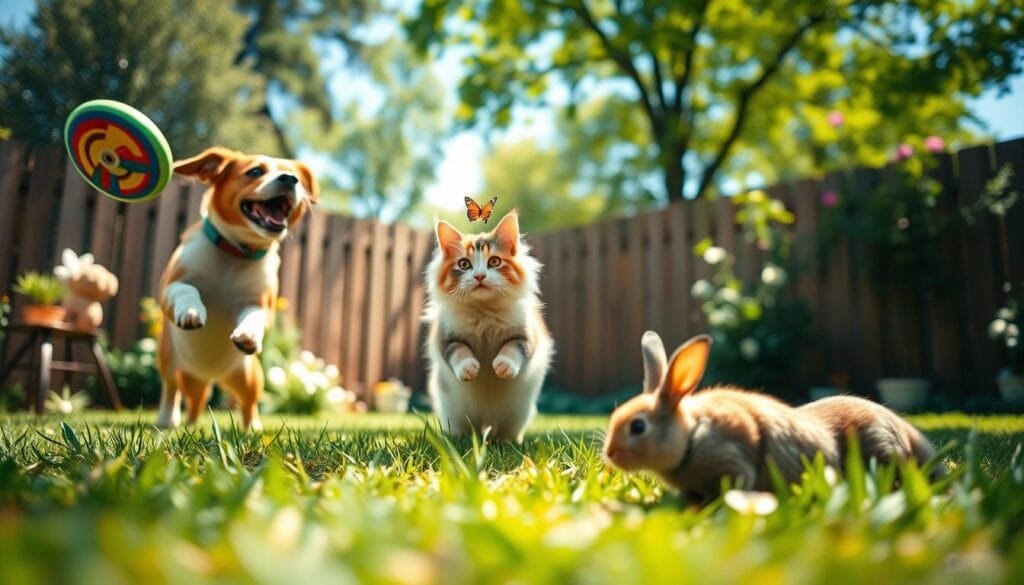
To truly capture the spirit of an animal, one must master the balance between action and posed shots. When photographing in low light, it’s crucial to adjust your settings. A faster shutter speed may be necessary for action shots, but this can be challenging in dim conditions.
Consider capturing a dog grabbing its leash or chickens gathering around mealworms. These moments reflect natural routines and provide excellent opportunities for lively shots. Alternating between action frames and quiet pauses can yield compelling images. Often, the same pet will present a captivating still image right after an energetic burst.
When movement is unpredictable, using a wider composition allows for sudden turns or leaps. I recommend creating a short video demonstration to compare the effects of slow shutter blur versus a faster shutter freeze. This way, you can illustrate how to capture motion without forcing unnatural tricks.
| Technique | Description |
|---|---|
| Shutter Speed | Use faster speeds for action shots in low light. |
| Natural Routines | Photograph pets during their regular activities. |
| Alternating Shots | Mix action shots with still images for variety. |
| Wider Composition | Leave space for unexpected movements in the frame. |
| Video Comparison | Show differences between slow and fast shutter speeds. |
Adapting on the Fly: Shooting in Various Environments
The setting you choose for photographing animals plays a crucial role in capturing their true essence. Indoor spaces often provide comfort, especially for pets like cats and dogs. For instance, a cat lounging in its favorite chair or a dog resting near a window can yield heartwarming images.
On the other hand, outdoor environments can add context and ambiance to your photos. A familiar yard or the scenic backdrop of a Maryland hobby farm can tell a story. When shooting outside, ensure you include the sky and surroundings to enrich the narrative.
Pay attention to changing light conditions and background distractions. It’s often better to adapt your camera position than to move a relaxed animal into a less appealing spot. This approach keeps your subjects comfortable and engaged.
For a realistic feature image, consider a relaxed dog near a bright window. Additionally, varied supporting images showing outdoor settings, motion, and safe family interactions can enhance your collection. If you’re interested in broader portrait and lighting guidance, explore the PBT photography category for more insights.
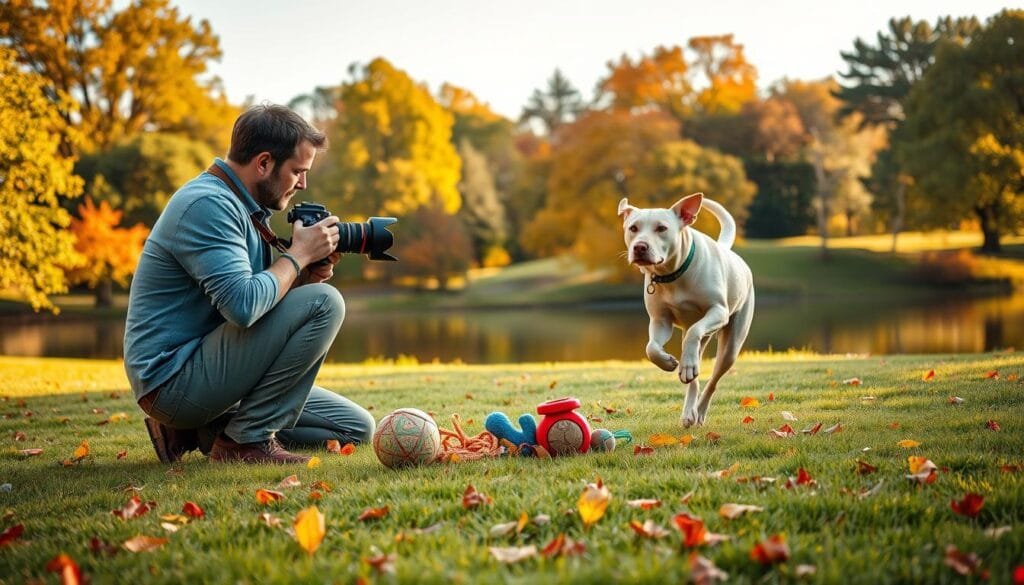
Final Reflections on Capturing Your Pet’s Spirit
Capturing the spirit of animals in photos is an art that requires patience and understanding. The strongest images often emerge from familiar environments, where animals feel at ease. Observing their natural behaviors and utilizing soft, natural light can enhance your results.
Before chasing elaborate poses, remember to focus on sharp eyes, maintain an appropriate shutter speed, and keep a calm presence. Here are five essential takeaways:
- Work where the animal feels safe.
- Use available light to your advantage.
- Prioritize focus on the eyes.
- Respect breaks to avoid stress.
- Photograph genuine routines for authenticity.
Here are some FAQs to help you:
- What is the best light for pet photography? Natural light is often the most flattering.
- What shutter speed should I use? A faster shutter speed is ideal for action shots.
- Which lens is best for pet photography? A 50mm or 70-200mm lens works well.
- What if my pet refuses to cooperate? Give them time and try to engage them with treats.
For more insights, explore the PBT category. References: Helen Don; Adam Goldberg; Digital Photography School.