
By Ray Baker
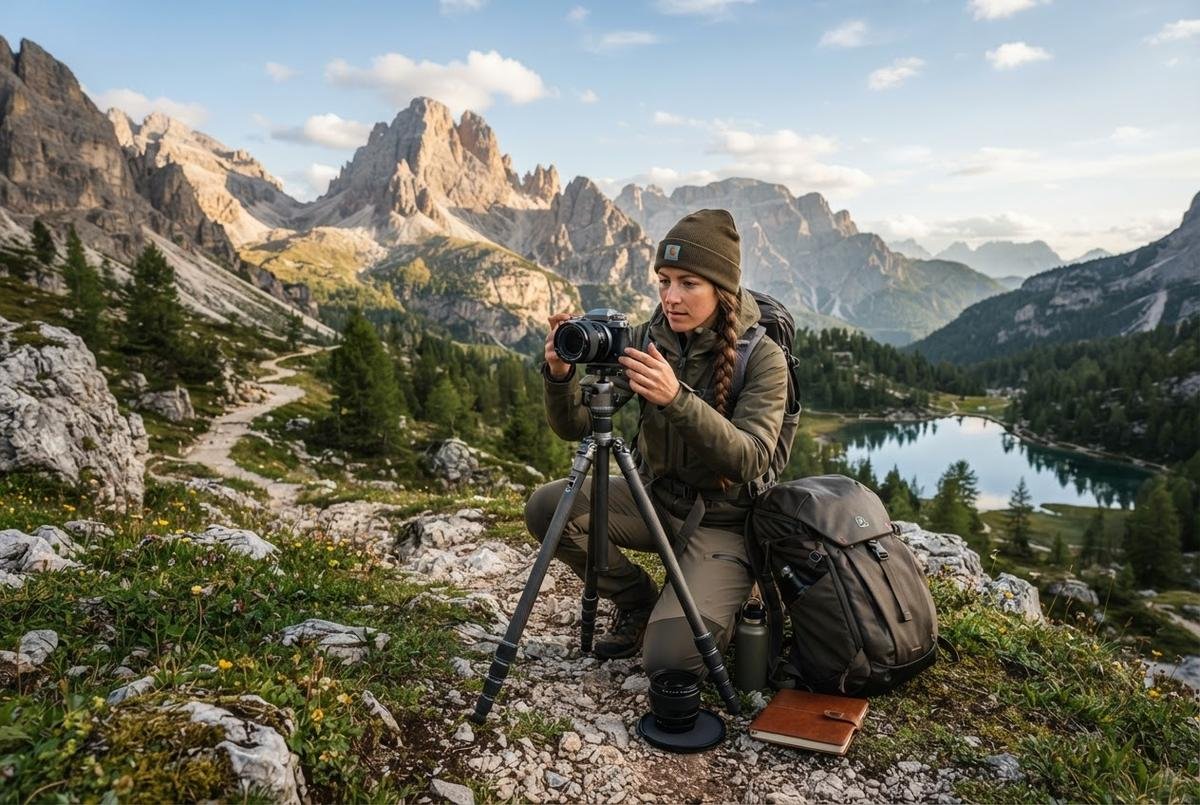
When I see photographers agonise over nature photography business names, I think of Sean Dooley, who spent years turning a side hustle into a full-time wildlife photography safari business [1]. He did not let the name stall him. He let the business model lead. But I also know the name you choose can either open doors or muddy your message. So let’s walk through what actually matters, without the fluff.
Why do nature photography business names matter?
Your nature photography business names are often the first thing future clients see on a gallery wall, a Google Business Profile or a contact email. A memorable, professional-sounding name signals that you treat this as a business, not a hobby, which can be the deciding factor when a buyer compares you to someone else.
Key takeaways
- Strong nature photography business names anchor your whole brand and make you more findable.
- Legally, a trading name is not a business entity: you still need to register or file an assumed name where required [2].
- Check for trademark conflicts before you fall in love with a name, since copyright will not protect a business name [3].
- A name that is too narrow can box you in; a name that is too vague can fade into the crowd.
- Test the name out loud, on a website mockup, and with a few people you trust before you commit.
Want to turn nature shoots into steady income? My Profitable Photography eBook guides you through client-getting, pricing, and licensing without the hype.
Download the guideWhat makes a nature photography business name legal
When you are narrowing down nature photography business names, the legal side is something a lot of photographers overlook. A common myth is that if you are just a “hobbyist” you do not need to register anything. But legally, once you are engaged in business activities, you are a sole proprietor automatically [2]. If you want to trade under something other than your own legal name, like “GreenCanopy Images”, you will likely need to file a doing business as registration, also called an assumed name or fictitious business name. The filing fees vary by state and are often cheaper than forming a limited liability company, but an assumed name does not create a separate legal entity [2].
Separate from that, your business name itself is not protected by copyright. Your photographs are, the moment you capture them [4], but the name lives in the world of trademarks. I see photographers assume that registering a copyright for their images covers the name too. It does not [3]. If you want exclusive rights to the name, you will need to explore trademark registration with the U.S. Patent and Trademark Office, or the equivalent agency in your country [3].
While you are sorting paperwork, make sure your client agreements are solid. A clear photography contract protects your work and sets expectations, which is just as important as the name on the invoice.
5 tips for naming your nature photography business
When you are brainstorming nature photography business names, keep these five principles in mind.
- Keep it simple to spell and say. If a client hesitates when reading it aloud, they might not recommend you by word of mouth. Try the radio test: can someone type it after hearing it once?
- Check domain and social handles early. Before you design a logo, see if the exact .com domain is free and whether you can grab consistent handles on Instagram and elsewhere. A slightly different handle than your business name confuses people.
- Avoid pigeonholing yourself completely. “Willow Leaf Landscape Prints” says you only sell landscape prints. What if you later add workshops or wildlife tours? Doug and Laura Bennett began by selling landscape prints at craft and art fairs and later conducted photographic workshops [5], so a name that locks you into one product can feel limiting if your business grows in that direction.
- Run a quick trademark search. Use the U.S. Patent and Trademark Office database to check for existing marks in the photography services category. Even if you do not register now, knowing what is already in use prevents a rebrand later, and possible legal threats [3].
- Test it on real people. Show a shortlist of two or three names to a handful of past clients, fellow photographers, or even strangers at a coffee shop. Ask what first impression they get: quality, trust, location, style. You will spot issues you would never think of alone.
If you need more raw material, I have compiled a list of photography business name ideas that feel professional and memorable.
Unsure what to charge for prints and stock? The pricing chapter alone makes the eBook worth it, with real-world models for nature photographers.
See the pricing modelsCan I use my own name?
When picking nature photography business names, using your own name is often the path of least paperwork. ASMP notes that if you operate as a sole proprietor under your own legal name, you generally do not need to file an assumed name [2]. In ASMP’s business primer, Thomas Maddrey gives his own example: because he used his real name in “Tom Maddrey Images”, he did not need to file an assumed name [2]. If I were starting out today as Ray Baker Nature Photography, I would likely not bother with an assumed name filing unless state rules said otherwise. That is just my own view, not legal advice.
The trade-off is that a personal name can feel less like a scalable brand and more like a solo act. If you ever want to bring on partners or sell the business, clients may tie the brand to you personally. Still, plenty of successful nature photographers use their own name and build strong reputations around it. A name like “John K. Nature Images” can carry years of trust without any fancy wordplay. On the flip side, some buyers assume a personal-name business is a small one-person operation, which might work for you or not.
Should the name hint at a specialty?
This is where your business model matters. If you are certain you only want to sell fine-art landscape prints, a name like “Mountain Light Editions” might work. But nature photographers often pivot. Sean Dooley built his brand around photographic safaris, not a place or a single animal [1]. A name like “Wild Earth Expeditions” could accommodate safaris, workshops, and print sales later. A name like “Red Fox Portraits” would struggle if you started leading underwater photography trips. I lean towards names that are evocative but not overly restrictive.
If you are still exploring what direction to take, our guide on nature photography offers a world of photo opportunities can spark some business ideas.
Should my name reflect ethical values?
The North American Nature Photography Association, which joined forces with the American Society of Media Photographers in 2022, promotes ethical field practices and conservation as core to nature photography [6]. While your business name does not have to scream “eco” or “green”, a name that hints at a philosophy of respect for the wild can resonate with clients who care about environmental stewardship. Something like “Conscious Frame Nature Photography” signals intent without being preachy. I would only go that route if it genuinely fits your work, otherwise it comes off as greenwashing.
Where do I check for conflicts first?
Before you settle on one of your shortlisted nature photography business names, I start with a domain search and the U.S. Patent and Trademark Office database, then I run the name through the secretary of state’s business registry in my state. You should also search photo platforms and directories to see if anyone is using a similar name in the same market. If you find a distant match, say a wedding photographer in another state with a similar-sounding name, the legal risk is lower, but confusion among clients is still real. Better to pick a name that is genuinely distinctive from the start. And remember, securing an assumed name does not prevent someone else from using the name. A trademark is the tool designed for protecting a business name, not copyright [3].
Worried about usage rights? You'll know exactly how to write releases and protect your images after reading the licensing section.
Get clarity on rightsOnce your name is set, the real work begins. Getting your brand noticed means building a consistent online presence and attracting clients without feeling salesy. I break down practical steps in our guide on how to market a photography business.
Related reading
- Photography Business Name Ideas That Sound Professional And Memorable: More naming strategies and inspiration
- Nature Photography offers a World of Photo Opportunities: Nature photography niches and ideas
- Photography Contracts For Beginners: What Every Photographer Should Include: Essential contract clauses every photographer needs
- How to Market a Photography Business: A Practical Guide for Professionals: Marketing without the cringe
Frequently asked questions
Do I need a limited liability company to protect my name?
Forming a limited liability company offers personal liability protection but does not automatically protect your name from other businesses using it. Most photographers start as sole proprietors [2] and file an assumed name if needed. A trademark is the tool designed for protecting a business name [3].
Can I trademark my nature photography business name?
Yes, if it is distinctive and used in commerce. The U.S. Patent and Trademark Office handles registration in the U.S. Contact the appropriate agency in your state or that office for guidance [3].
What if someone is already using my chosen name on Instagram?
You can still use the name legally if it is not trademarked and you are in a different market, but the social handle confusion might not be worth it. Clients could follow the wrong account. I would personally lean towards nature photography business names that have clean handles everywhere.
Should my business name match my domain name exactly?
Ideally, yes. If your business is “Pine Ridge Imagery”, having pineridgeimagery.com keeps things simple and credible. If the exact match is taken, a small variation like adding “photos” can work, but the closer the match, the easier it is for clients to find you.
How long should a nature photography business name be?
Shorter is usually better, but not at the cost of making it meaningless. Two to three words often work well. “Tidal Frame Nature Photography” is four words but still easy to remember. Anything beyond five words starts to become a mouthful.
Can I change my name later if it does not work?
Yes, but it is disruptive. You will need to update your website, Google Business Profile, any online directories, and inform existing clients. It is far better to invest the extra time upfront to land on a name you can grow into for the long haul.
Honest take
I have seen photographers stress for weeks over nature photography business names while ignoring the bigger hurdle: actually generating a client list. Doug and Laura Bennett advise not quitting your day job straight away and instead building the business with good fundamentals [5]. Your name matters, sure, but it is your work, your pricing and the way you treat people that makes the real difference. I have never met a client who hired a photographer because of a brilliant name alone. They hire because of the confidence the photographer projects, the sample images, and the way they handle the first phone call. Pick a name you like, check it is legally clear, and then go make something people want to pay for.
References
- Professional Photographers of America, 'Build a Wildlife Photography Business and Career'. https://www.ppa.com/ppmag/articles/fulfilling-a-lifelong-dream-of-wildlife-photography
- ASMP, 'ASMP's Business Primer for PhotographersLegal Jump-start, 2020'. https://www.asmp.org/wp-content/uploads/ASMP_Legal-Jump-start_2020-03.pdf
- Professional Photographers of America, 'Copyright FAQs'. https://www.ppa.com/benefits/copyright-advocacy/copyright-resources/copyright-faqs
- U.S. Copyright Office, 'What Photographers Should Know about Copyright'. https://www.copyright.gov/engage/photographers/
- Professional Photographers of America, 'Selling Landscape Photography Prints for Profit'. https://www.ppa.com/ppmag/articles/scenery-for-sale-making-a-profit-from-landscape-photography
- ASMP, 'Mission + History, ASMP' (including NANPA mission). https://www.asmp.org/about/mission-history/
Shoot well and follow up faster,
Ray Baker