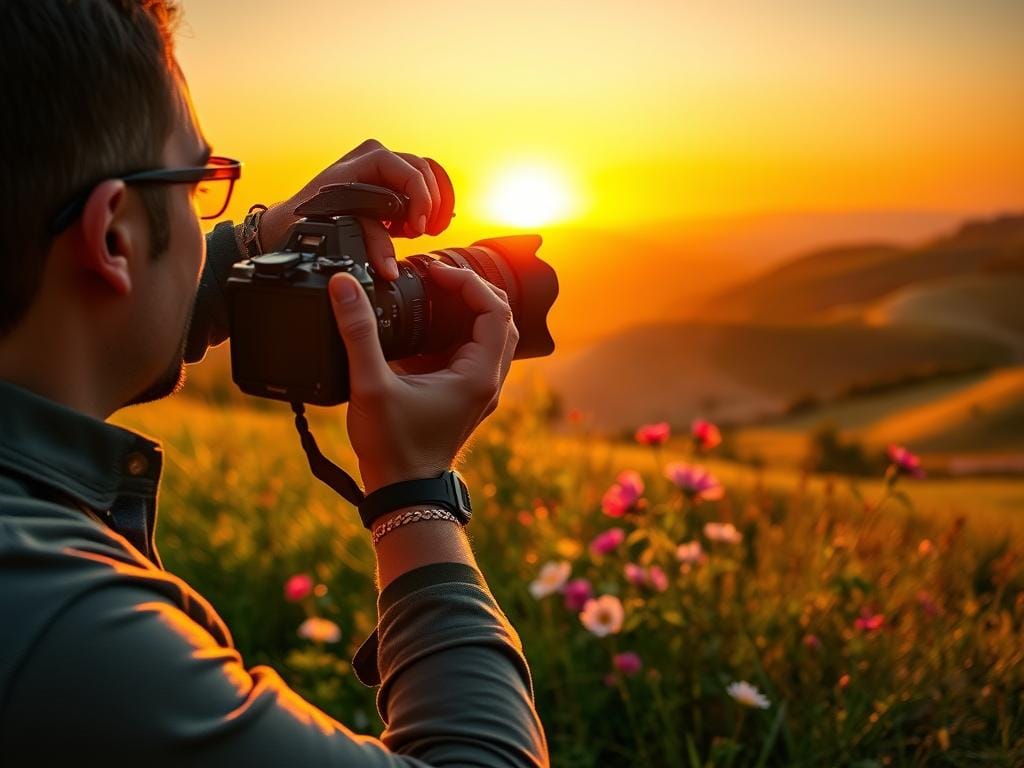
There are many ways of approaching macro digital photography. And, if you are new to macro photography, it is quite confusing for those learning how to take great macro shots. Here are some macro photography tips to give you a greater insight into the art of taking close-ups of small things. Exposure for Macro Photography … Read more
What is macro photography? Macro photography is the art of taking close-ups of small things and the subjects tend to become larger than life. It is the opposite of micro photography and often the subjects are things like a water droplet on the petal of a flower or a line of ladybirds as they go about their daily business.
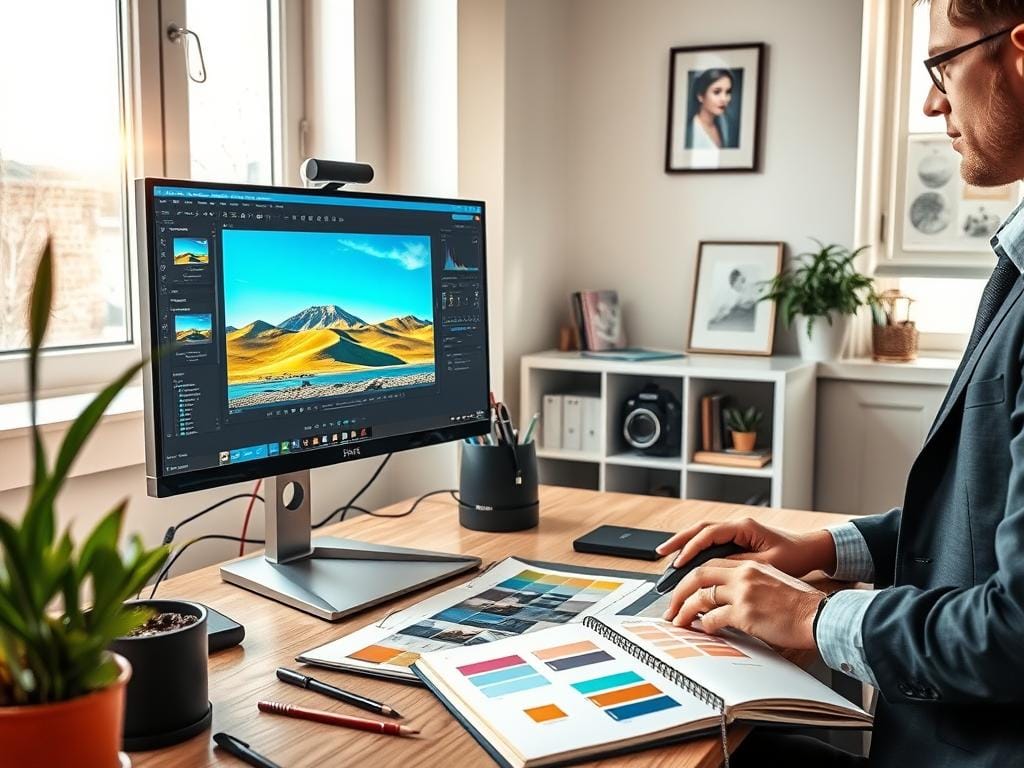
Many amateur and professional photographers have discovered the almost limitless potential of Photoshop software – they can change textures, apply all kinds of artful filters, make additions or corrections to photographs, and even combine unlikely images into a single image. One area where Photoshop becomes an incredibly useful tool is in portrait photography.
For example, most professional photographers are now capturing all of their images in the RAW format because of its functionality in the Photoshop program. The larger file size captures a broader range of color and makes for a much better, less “noisier” print. The traditional JPG format that most people use for their photographs asks for certain camera settings and may eliminate a great deal of the control that photographers want when taking professional and portrait images.
Wine centered amongst diverse contrast creating a swish affect
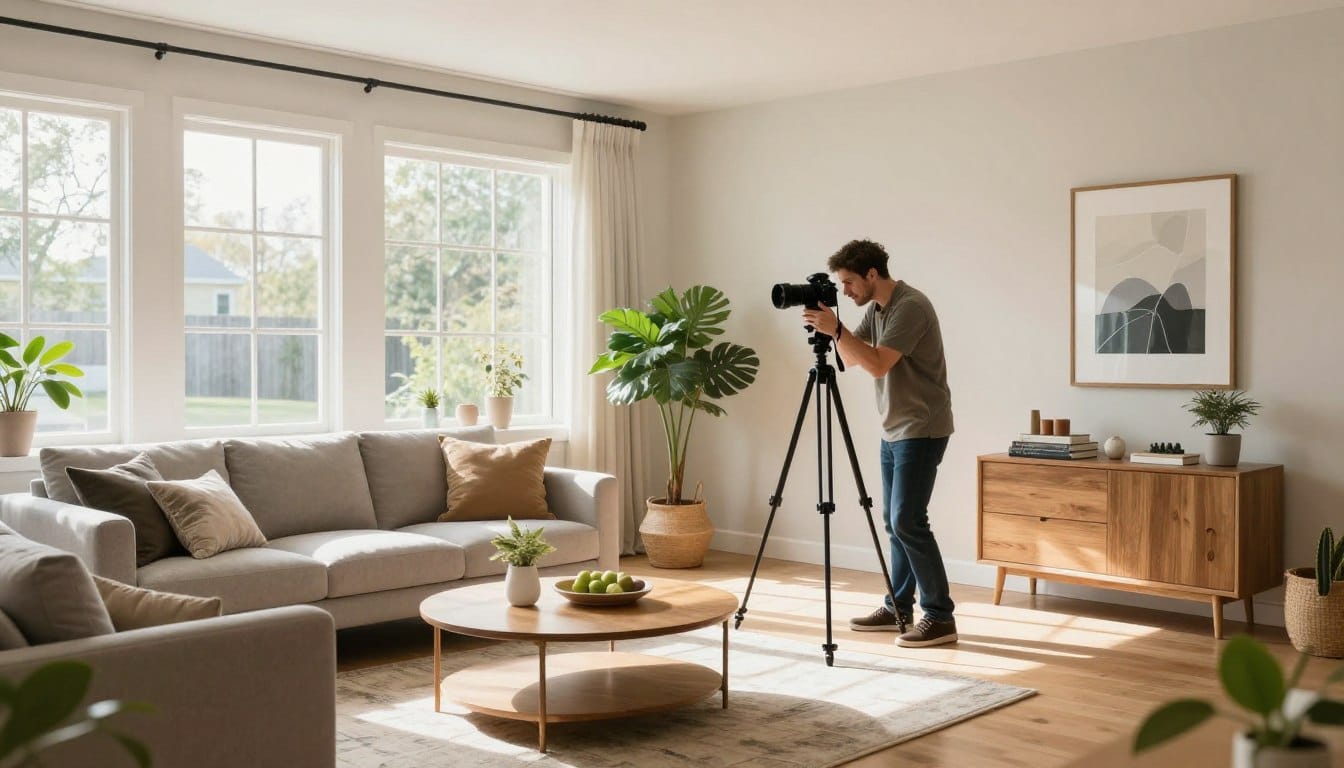
A photographer controls the composition of the photograph they are taking by deciding exactly what will be included in the photograph and what will not. The photographer chooses a subject to shoot and makes decisions such as where to place the subject, as well as what to include in the background and the foreground of the photo. Many quick, almost subconscious, decisions go into creating a photograph and composing something that catches the eye, captures the moment and draws the viewer into the scene once the photograph is printed. This skill for most is developed over time.
Taking good pictures is a great way to be able to share your experiences with other people and make a living. Time marches on very quickly, and those pictures are a great way to look back over what has occurred or indeed, help recommend a photographer. Many people are disappointed though at some of the pictures. They didn’t turn out the best.
The first thing to remember about the background of any photograph is that it is indeed the background and ‘not the subject’. This means that the power of this part of the scene must be to a much lesser degree than the primary focus. While there is no easy tip or trick for knowing if you have allowed the background to overwhelm or distract from the subject, simply remembering that it isn’t to be any kind of competition to the attention of the viewer, is a good start.
Quick note from Ray – Photography tips and tricks are welcomed here and if you feel you have something to offer other photographers, feel welcome to visit this page for the guidelines. Now on with this amazing tip….,
Vaseline does wonders, not only for your skin, but can also help you to create impressionist masterpieces. You can transform just about any subject into something interesting and exciting. If you like the soft, poetic look in your photographs this simple technique is for you.
There are many rules in the world, and it is just plain frustrating to know that even our most creative endeavors, such as photography, will also have some standard rules as well.
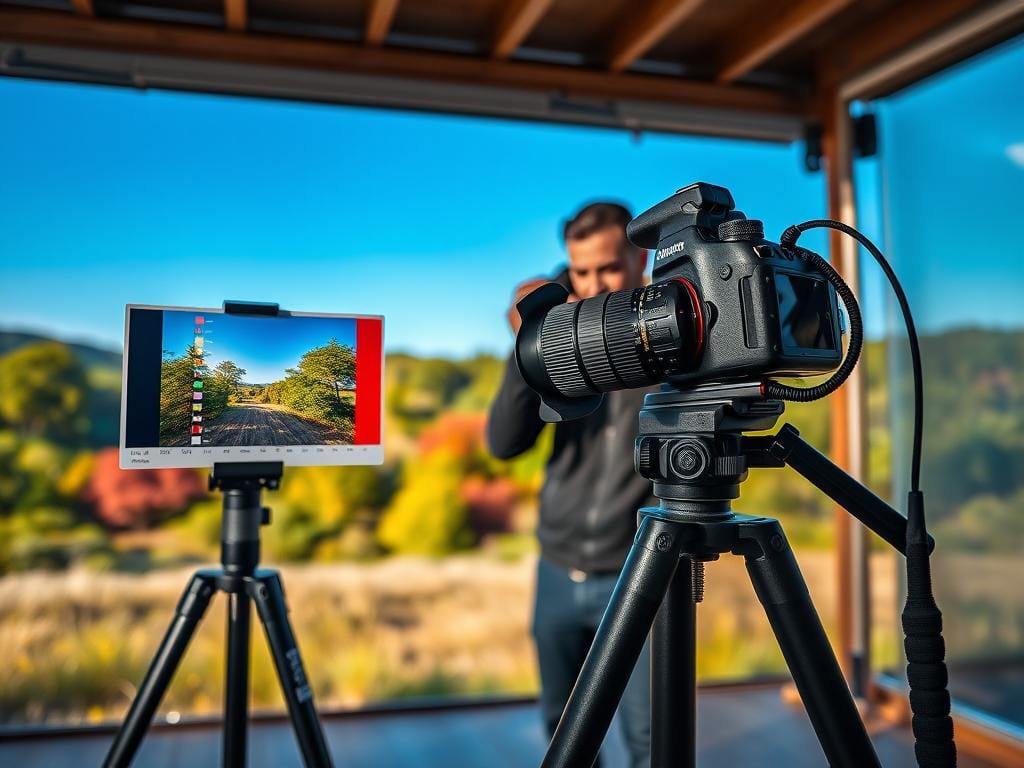
HDR (high dynamic range) imagery has helped professional photographers to record photos other than those that they could capture with a camera. It has opened up the photos so that they can record a great range of lighting detail, and makes photos that would otherwise have very dark tonal areas aesthetically pleasing.
In researching this article, I did a Google search for “great photography blog” and it gave me 45,800,000 results. Where would I even start to look for other great photography blogs (besides the one you’re reading now? :-))
To narrow down the field, I looked at several pages of results and noted the blogs that were mentioned multiple times in different articles, and then did quite a bit of browsing on each of those blogs. Here are some (other) great photography blogs that are worth taking a look at, in no particular order: