Photo Composition made Easy – Five Tips for Photos

fill-the-frame.jpgComposition is another photo technique you need to master to get good photographic results. How often do you stop and think about what you are seeing through the viewfinder of your camera?

Composition is subjective and depends on the subject of your photograph. There are rules for good image composition and, once you know the rules you can break them to get good photos more often.

What Format to use for your Photographic Composition

So many people seem to forget you can turn your camera on its side to get a vertical shot of your subject. Most people just use the horizontal format and end up with a whole lot of empty space around their subject. Just turning your camera on its side will eliminate this problem.

Read more

Lighting in Macro Photography

Many people like to experiment with the macro settings on their digital cameras, but ultimately give up on their efforts when the results are blurry and poorly lit. Fortunately, with just a bit of effort and some inexpensive equipment, macro photography can be successfully accomplished.

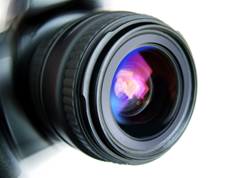
The key to good macro photography is lighting, and unfortunately most on board flash units will not do the trick, nor will traditional flashes mounted to the flash shoe, the bracket where a larger flash unit can be inserted into the camera body.

Read more

Tips for Night Photography

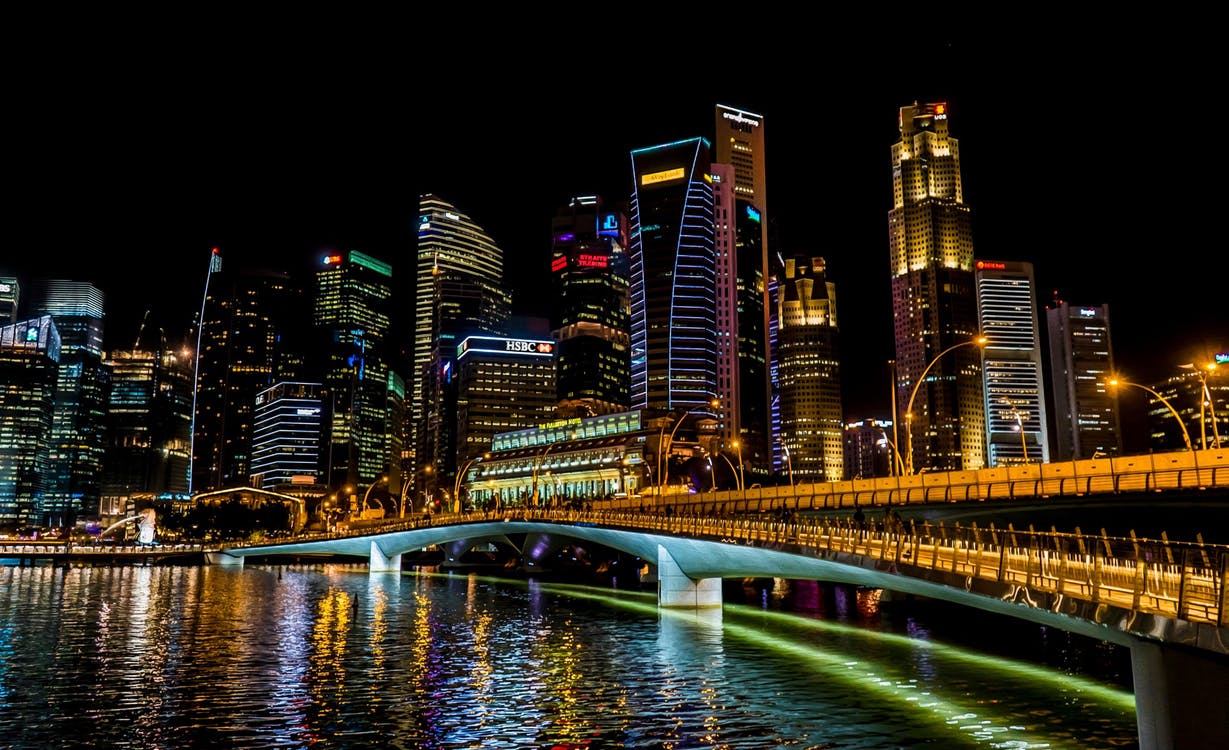
          Night photography
Night photography

Night time photography produces some amazing results. It is fun capturing the night-time city shots and the bright lights of cars whizzing past.

Use a Tripod to Eliminate Camera Shake

If you are a serious night photographer a tripod is necessary to eliminate camera shake and get clear exposures with good depth of field.

When shooting sunsets and city scapes we normally just point and shoot. Try adding foreground to the photo to add depth. Something else to consider is the general rule of thirds so your photo has good perspective.

When you check the light levels using your camera, make sure it is not pointing directly at the sun. Take the reading based on the colors around the sun. If you don’t then your photo will be underexposed.

Read more

Lenses and Macro Photography

Camera lens
Camera lens

Macro photography has become increasingly popular; so much so that most consumer digital cameras are equipped with a setting intended for such a purpose, and/or they arrive with built-in zoom lenses capable of focusing on the most minuscule or tiny detail of a subject.

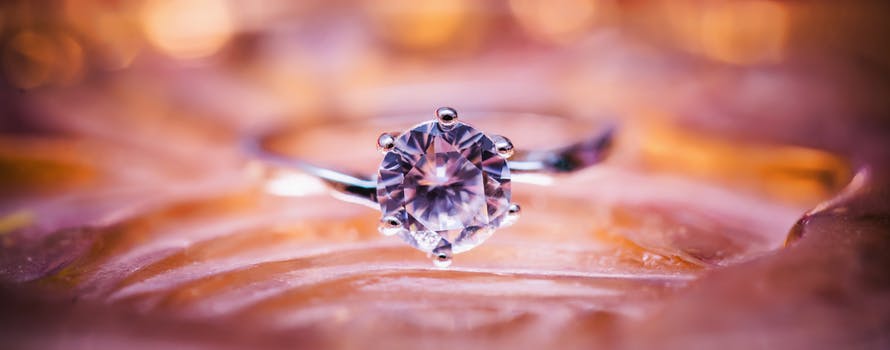
The most common subjects for macro photography are flowers, insects and natural patterns in wood, stone, sand or even moss, but some photographers may take commercial images of jewelry, or other subjects as well. Macro photography is basically the capturing of clear details of very small or even microscopic subjects, and this requires special lenses.

Read more

Creative Holiday Photos

Holiday Photography
Holiday Photography

Around the world there are millions of photo albums filled with holiday snap shots of children opening gifts, relatives seated around a table or living room and even some outdoor images. While these are treasured memories, they can become the “same old thing” year after year.

How do you capture creative holiday photos? There are many unique opportunities during the days and weeks leading up to the actual day (or days) of celebration, and these make for some excellent images.

Read more

Macro Photography Equipment Tips

Macro lens and camera

What is macro photography? Macro photography is the art of taking close-ups of small things and the subjects tend to become larger than life. It is the opposite of micro photography and often the subjects are things like a water droplet on the petal of a flower or a line of ladybirds as they go about their daily business.

Read more

How to Get Photoshop Joy

Kiwi Mouse Photo by hongkiat.com

Many amateur and professional photographers have discovered the almost limitless potential of Photoshop software – they can change textures, apply all kinds of artful filters, make additions or corrections to photographs, and even combine unlikely images into a single image. One area where Photoshop becomes an incredibly useful tool is in portrait photography.

For example, most professional photographers are now capturing all of their images in the RAW format because of its functionality in the Photoshop program. The larger file size captures a broader range of color and makes for a much better, less “noisier” print. The traditional JPG format that most people use for their photographs asks for certain camera settings and may eliminate a great deal of the control that photographers want when taking professional and portrait images.

Read more

Mastering Composition

Wine in centered amongst diverse contrast
Wine centered amongst diverse contrast creating a swish affect

A photographer controls the composition of the photograph they are taking by deciding exactly what will be included in the photograph and what will not.  The photographer chooses a subject to shoot and makes decisions such as where to place the subject, as well as what to include in the background and the foreground of the photo.  Many quick, almost subconscious, decisions go into creating a photograph and composing something that catches the eye, captures the moment and draws the viewer into the scene once the photograph is printed.  This skill for most is developed over time.

Read more

Understanding Exposure will help you get Quality Pictures

Daylight exposure table by photo.net

Taking good pictures is a great way to be able to share your experiences with other people and make a living. Time marches on very quickly, and those pictures are a great way to look back over what has occurred or indeed, help recommend a photographer. Many people are disappointed though at some of the pictures. They didn’t turn out the best.

This can be due to:

– Not enough exposure

– Too much exposure

– Double exposure

Read more