
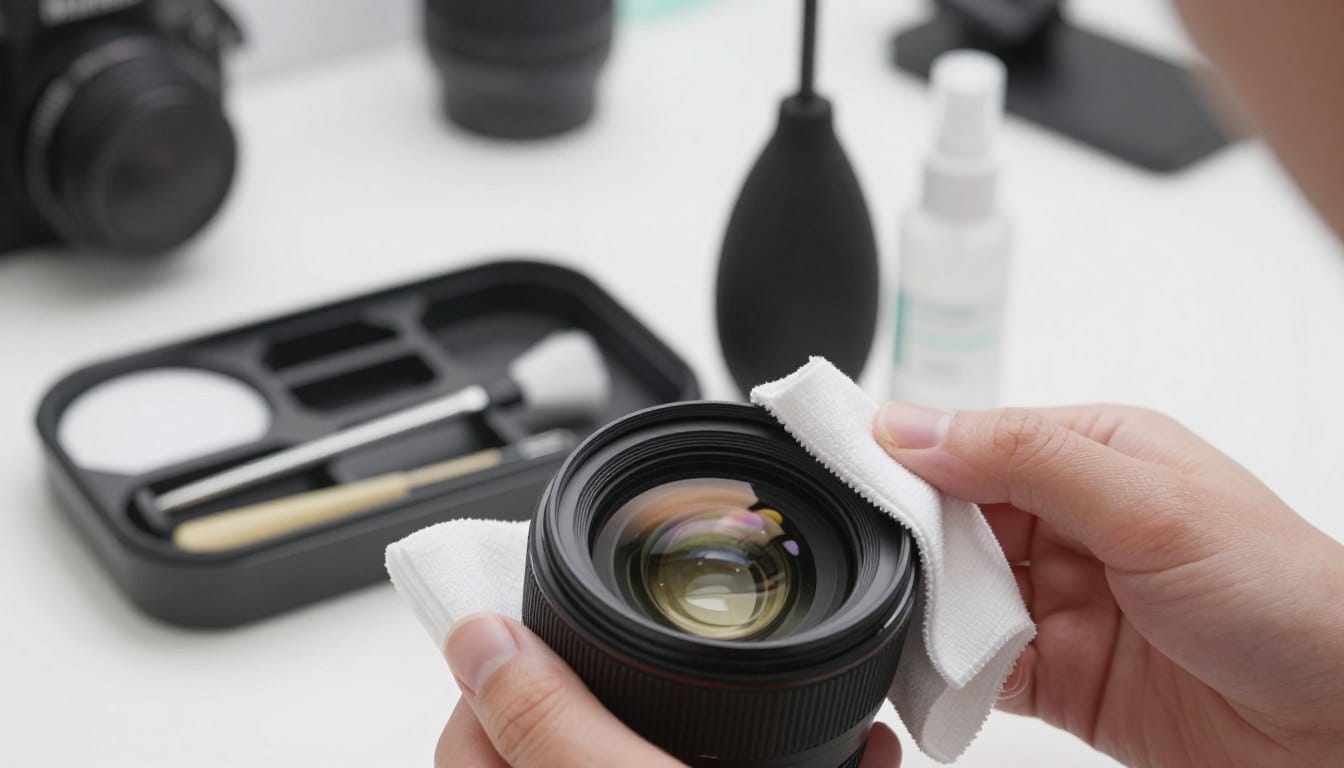
Have you ever missed a breathtaking moment because of a smudge on your gear? It’s a frustrating experience that many photographers face. The clarity of your images often hinges on the condition of your equipment. In this guide, we will explore essential methods to keep your gear in top shape, ensuring you never miss that perfect shot again.
Dealing with a dirty lens can feel like a classic photography headache. However, with the right techniques, you can quickly restore clarity to your images. Whether you’re shooting in the vibrant Australian outback or a serene local park, maintaining your equipment is crucial. We’ll walk you through effective strategies that don’t require you to treat your gear like a fragile newborn.
By following our recommendations, you can avoid common mistakes that lead to permanent damage. Don’t let dust and smudges ruin your photography journey. Ready to learn more? Discover the secrets to keeping your gear pristine
Key Takeaways
- Regular maintenance can prevent costly repairs.
- Using proper techniques can extend the life of your equipment.
- Cleaning your gear enhances image quality.
- Dust management is essential for all photographers.
- Learn to recognize when your gear needs attention.
Understanding Why a Clean Lens Matters
Nothing ruins a great photo quite like a pesky smudge on your equipment, right? A dirty lens acts like a filter of grime, scattering light and reducing contrast in your photos. This can be a real pain when you’re trying to capture a crisp landscape.
According to a Nikon article, the acidity in your breath can wear down the delicate optical coatings on your lens if you make a habit of fogging it up. So, while it might seem harmless, it’s best to keep your breath away from your gear!
Regular maintenance is not just about vanity; it ensures your gear performs reliably for years. Ignoring dust buildup can lead to permanent scratches, a costly mistake that no photographer wants to deal with after investing thousands in their kit.
Keeping your glass pristine ensures that light transmission remains optimal. This allows your sensor to capture the sharpest possible details in every frame, making all the difference in your photography.
Getting Started with Quick Fixes for Dirty Lenses
A clear view is essential for capturing stunning images, yet dirt can obstruct your vision. Identifying the source of your lens trouble is the first step. Whether it’s salt spray from the beach or simple dust from your camera bag, knowing the cause helps in choosing the right cleaning method.
Many photographers find that the most common pain point is dragging grit across the glass. This is why using a blower before a cloth is vital. A quick blast of air can dislodge particles, preventing scratches during the cleaning process.
If you are tired of buying expensive solutions, consider Zeiss pre-moistened wipes. They are a cost-effective option at roughly $10 for a pack of 200. Don’t let the fear of cleaning stop you from shooting; a quick, methodical approach will fix minor issues.
Recognizing when your lens needs a deep clean versus a quick brush-off will save you time and prevent unnecessary wear on the lens surface. Keeping your gear in good shape ensures that you can focus on capturing the moment.
| Cleaning Method | Effectiveness | Cost |
|---|---|---|
| Air Blower | High | $10 |
| Microfiber Cloth | Medium | $5 |
| Zeiss Wipes | High | $10 for 200 |
Essential Tools for Safe and Effective Cleaning
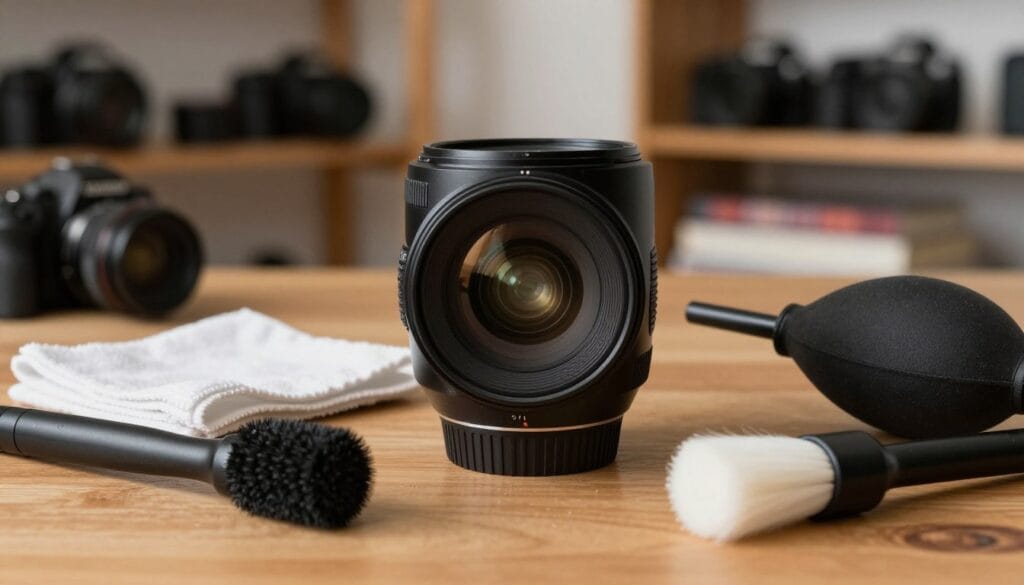
The clarity of your images depends on using the right cleaning tools and techniques. To maintain your gear, you need a few essential items in your kit. These tools help you keep your equipment in top condition, ensuring you capture stunning photos every time.
A high-quality rocket blower is your best friend for blasting away loose particles without ever touching the delicate glass surface. This method prevents scratches and keeps your lens safe. While a lens pen works wonders for most gear, remember that a 400mm f/2.8 lens is often too large for the small tip of a standard lens pen.
When selecting a cleaning solution, always aim for 95% purity in isopropyl alcohol. This ensures there are no additives that could leave a residue on your glass. Keep your cleaning kit in a Ziploc bag to ensure that your microfiber cloths stay free of dust. Additionally, using a soft-bristled brush can effectively whisk away dust from the lens barrel.
| Tool | Purpose | Recommendation |
|---|---|---|
| Rocket Blower | Remove loose particles | High-quality model |
| Lens Pen | Clean glass surfaces | Use with caution on large lenses |
| Isopropyl Alcohol | Deep clean | 95% purity |
| Microfiber Cloths | Wipe surfaces | Store in Ziploc bag |
| Soft-Bristled Brush | Dust removal | Brand new for best results |
A Step-by-Step Process for Front and Rear Lens Cleaning
To capture breathtaking images, maintaining a spotless surface is essential. Before you start, take a moment to inspect your gear under bright light. This will help you identify where dust and smudges are located.
When cleaning the front element, remember to use a gentle circular motion. This technique helps move any remaining particles toward the edge rather than the center, preventing scratches.
For the rear element, always hold the lens facing downward. This position allows gravity to assist in keeping loose dust from falling back onto the glass surface.
Carefully follow these steps to avoid damaging your gear while removing stubborn marks. If you notice particles on the rear element, a quick blast of air can usually clear them without touching the glass.
Incorporating “camera lens cleaning tips” into Your Routine
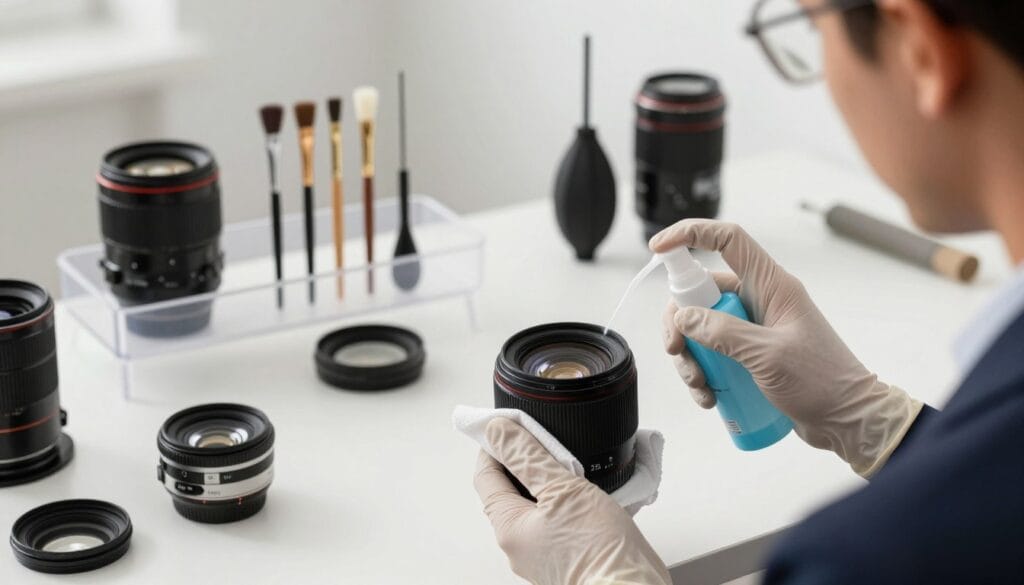
Regular maintenance of your gear is crucial for capturing stunning images. By integrating camera lens cleaning tips into your monthly routine, you can prevent the buildup of grime that may lead to costly repairs.
Make sure to check your lens caps and cases regularly. These are often hidden sources of dust that can end up on your glass. It’s also a good habit to clean camera lens elements after any shoot in dusty or humid environments to keep your gear in peak condition.
You don’t need to clean your gear after every single shot. However, a consistent schedule will help you avoid the stress of a dirty lens during significant events. By keeping your equipment clean, you ensure that your camera is always ready for the next adventure, whether you’re shooting portraits or landscapes.
| Cleaning Frequency | Recommended Action | Benefits |
|---|---|---|
| Monthly | Inspect and clean | Prevents grime buildup |
| After Dusty Shoots | Thorough cleaning | Maintains image quality |
| Before Major Events | Quick check | Avoids last-minute issues |
Avoiding Common Pitfalls and Over-Cleaning Errors
Understanding the potential pitfalls of cleaning your gear can save you from costly mistakes. While keeping your equipment in top shape is vital, certain methods can lead to damage if not handled correctly.
First, avoid using tap water for cleaning your gear. The minerals present can leave residues or even micro-scratches on the delicate glass surface. Never use your shirt or random clothing to wipe your lens; the fibers are not designed for optical glass and can cause permanent damage.
Additionally, blowing on your lens with your mouth is a bad idea. This can introduce saliva, creating more grime that you’ll eventually need to clean off. If you must use tissues, make sure they are specifically designed for optics, as standard facial tissues can contain wood pulp that scratches the lens.
Lastly, over-cleaning is a real risk. Only clean your lens when you actually see dust or smudges that interfere with your image quality. This approach helps maintain the integrity of your equipment.
| Common Mistake | Consequence | Recommended Action |
|---|---|---|
| Using tap water | Residue and scratches | Use distilled water |
| Wiping with clothing | Permanent damage | Use microfiber cloths |
| Blowing on the lens | Introduces saliva | Use a blower |
| Using standard tissues | Scratches on glass | Optical tissues only |
| Over-cleaning | Wear on lens | Clean only when necessary |
Maintaining Your Camera Gear in Varied Shooting Environments
To achieve stunning images, it’s essential to protect your gear from the elements. Whether you’re shooting in a sandy desert or a humid rainforest, understanding how to safeguard your equipment is crucial.
When shooting in sandy or dusty environments, always keep your lens hood on. This provides a physical barrier against debris hitting the front element. In humid conditions, make sure to store your gear with silica gel packets. This prevents fungus from growing inside the lens barrel.
Even if your gear looks like it has been through a war, regular maintenance can keep it running perfectly. For instance, Canon once fixed a loose 70-200mm lens barrel in just 10 minutes for free!
After a day at the beach, wipe down the exterior of your camera with a damp cloth. This removes salt, which is highly corrosive to metal mounts. Additionally, always keep your camera bag zipped up when not in use to minimize dust settling on your equipment.
| Environment | Recommended Action | Benefit |
|---|---|---|
| Sandy/Dusty | Use lens hood | Prevents debris damage |
| Humid | Store with silica gel | Prevents fungus growth |
| Beach | Wipe down with damp cloth | Removes corrosive salt |
| Non-Active | Keep bag zipped | Minimizes dust exposure |
Wrapping Up Your Camera Care Journey
Wrapping up your journey in caring for your gear is essential for achieving stunning photography. Remember, always use a blower before a cloth, stick to dedicated optical cleaning tools, and never use tap water or clothing to wipe your glass.
Key Takeaways: Regular maintenance keeps your gear in excellent condition. A little care goes a long way in preventing costly repairs. By following these simple steps, you can ensure your equipment remains ready for every shot.
FAQ:
- Can I use alcohol? Yes, 95% purity isopropyl alcohol is safe.
- Is a UV filter necessary? It’s a personal choice, but lens hoods offer better protection.
- How often should I clean? Only when you see dirt or smudges.
- Can I clean the sensor? It’s best to leave sensor cleaning to the professionals.
Disclaimer: This guide is for informational purposes; always consult your manufacturer’s manual before performing maintenance on high-end optical equipment.
Remember, a clean setup is vital for capturing clarity and ensuring your gear lasts for years to come.
FAQ
How often should I clean my lens?
What is the best way to remove dust from my lens?
Can I use regular glass cleaner on my lens?
What type of cloth is safe for cleaning?
How do I clean the inside of my lens?
Is it safe to blow on my lens to remove dust?
What should I do if my lens has stubborn grime?
How can I protect my lens in harsh environments?
Struggling to get consistent photography clients?
Get More Photography Clients