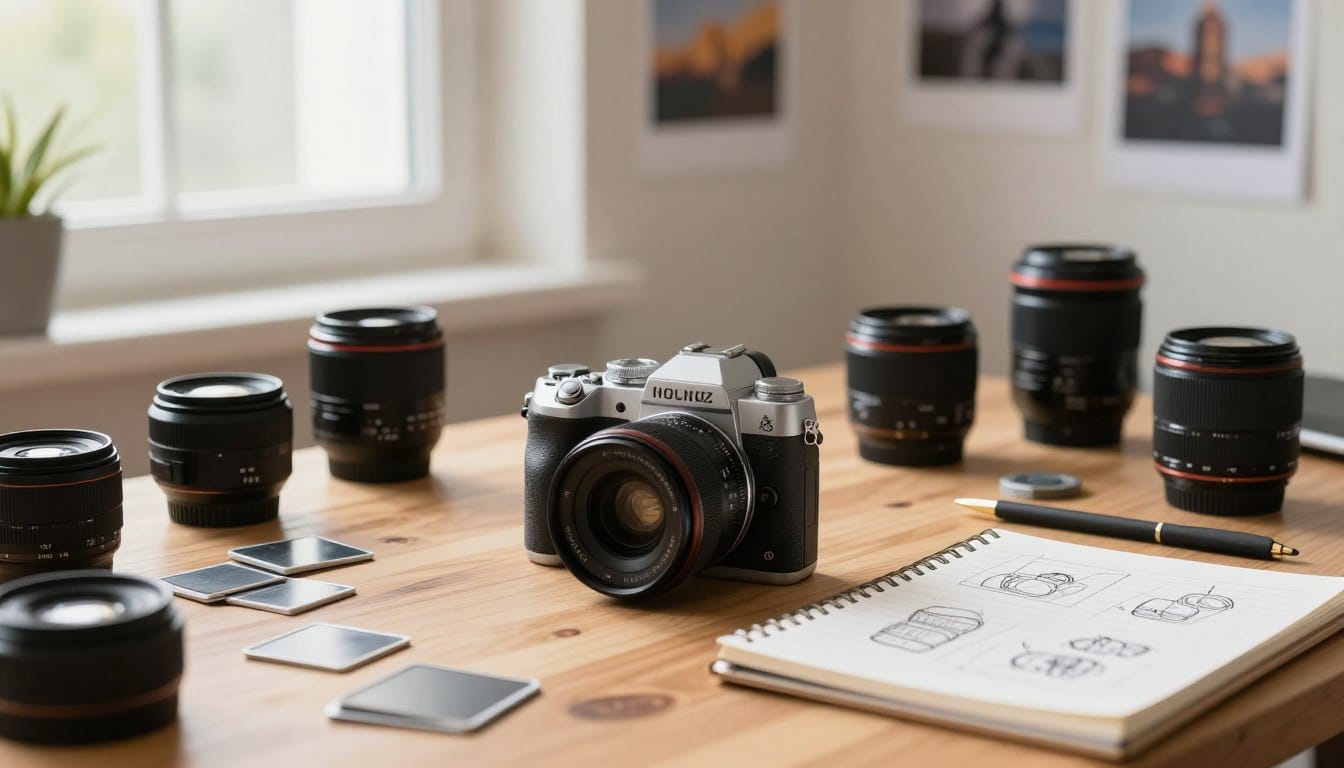
Embarking on your journey in 2025 means making smart choices. Selecting the right equipment is crucial. You need a camera that offers professional performance while respecting your budget.
Ray Baker, an experienced professional, provides this guide to help you navigate the intricate camera market. With his insights, you can avoid overspending on unnecessary gear.
This guide emphasizes evaluating each camera based on real-world performance metrics. These metrics are vital when you aim to build a sustainable venture from scratch.
Choosing a reliable camera will enable you to capture stunning images. It’s important to keep your overhead costs manageable as you grow your venture.
By following expert recommendations, you can steer clear of common pitfalls. This way, your first camera purchase will effectively serve your creative goals for years to come.
Key Takeaways
- Choosing the right equipment is essential for your photography journey.
- Ray Baker’s insights help you avoid unnecessary expenses.
- Focus on real-world performance metrics when evaluating cameras.
- A reliable camera is key to capturing high-quality images.
- Expert recommendations can help you avoid common pitfalls.
Introduction: Unlock Your Photography Business Potential
As you begin your photography journey this year, making informed choices is essential. Ray Baker, with over a decade in the family photography field, understands what equipment is vital for various stages of professional growth.
To truly unlock your potential, consider the community-driven resources that platforms like VSCO offer. These tools can help you transition from a hobbyist to a full-time professional.
It’s important to recognize that the best cameras available today are engineered to help you capture stunning, professional-grade images. This is crucial as you steadily grow your client base.
Many photographers find that their success hinges on selecting reliable cameras that can adapt to diverse shooting environments and meet client expectations. By focusing on your unique needs, you can build a thriving photography venture that consistently delivers exceptional results.
Understanding Your Photography Business Needs
Understanding your specific needs is the first step toward a successful photography venture. Your budget plays a vital role in this process. When determining your budget, remember that a 24MP camera is often sufficient for most professional needs. This can save you time and money on storage.
Next, assess your technical requirements. Check if your chosen camera brand offers a reliable repair program, which is essential for your photography business. Additionally, consider if your camera has a backup option. Having a secondary body is a critical requirement for any professional venture.
By understanding your specific needs, you can prioritize spending on a better lens. Often, a high-quality lens makes a more significant difference in your images than the camera body itself. Lastly, evaluate if your chosen camera brand has a wide range of accessories to support your business as your technical requirements evolve over time.
Exploring Camera Types: DSLR, Mirrorless, Crop Sensor, and Full Frame
Understanding the various camera types can significantly impact your success. Each type has unique features that cater to different needs and preferences.
For instance, DSLR cameras have been a staple in the industry for years. They offer reliability and extensive lens options. However, mirrorless cameras are gaining popularity due to their compact size and advanced technology.
A full frame sensor, established by Oscar Barnack 100 years ago, provides superior depth of field and low-light performance. In contrast, a crop sensor (APS-C) alters the effective focal length, making a 35mm lens appear closer to 50mm.
“The future of photography lies in understanding the tools you use.”
| Camera Type | Advantages | Disadvantages |
|---|---|---|
| DSLR | Reliable, extensive lens options | Bulkier, heavier |
| Mirrorless | Compact, advanced features | Limited lens selection |
| Crop Sensor | Lightweight, budget-friendly | Less depth of field |
| Full Frame | Better low-light performance | More expensive |
Choosing the right type can help you adapt to various shooting environments and support your growing needs.
Advantages of Mirrorless Cameras in Modern Photography
In today’s fast-paced world, selecting the right tools can elevate your creative vision. One standout option is the mirrorless camera, which offers unique advantages for both budding and experienced photographers.
Enhanced Autofocus and Low Light Performance
Modern mirrorless cameras provide enhanced autofocus capabilities. This allows you to track the eyes of your subjects automatically, even when they are moving quickly. Additionally, these cameras excel in low light conditions, giving you a clear exposure preview directly through the digital viewfinder.
Portability and Future-Proof Technology
The portability of mirrorless cameras is a significant advantage. They are typically smaller and more lightweight, making them ideal for photographers on the go. Investing in these cameras ensures your gear is future-proof, as companies are focusing their research and development efforts on this innovative technology.
Many professionals prefer mirrorless options because they allow you to see how your settings affect the final image before you press the shutter. This feature enhances your creative control and helps you achieve stunning results in your photography.
Choosing the best camera for starting a photography business
Making an informed decision about your camera can set the tone for your entire creative journey. When evaluating options, it’s essential to consider both features and performance metrics. This will ensure that you select a model that meets your needs without overspending.
The Canon EOS R5 is a powerful mirrorless option with 45 megapixels and 8K video capabilities. However, its high price and large file sizes might be excessive for newcomers. On the other hand, the Canon EOS R6 Mark II offers a more balanced choice with 24.2 megapixels and an advanced autofocus system that tracks subjects seamlessly across the frame.
When comparing features, look for performance metrics that matter. For instance, the dual card slots on the EOS R5 provide added security for your images. While the EOS R6 is popular, some users note that its battery life can be a challenge during extended sessions.
Always weigh the price against the specific autofocus features of each camera. This will help you secure the best value for your investment.
| Camera Model | Megapixels | Autofocus Features | Price Range |
|---|---|---|---|
| Canon EOS R5 | 45 MP | Advanced Eye Tracking | High |
| Canon EOS R6 Mark II | 24.2 MP | Full Frame Tracking | Moderate |
Budget-Friendly Camera Options for Beginners
If you’re eager to dive into photography without breaking the bank, selecting the right gear is crucial. Fortunately, there are excellent options available for beginners.
The Canon EOS R50 is a capable mirrorless camera that offers a great autofocus system at an affordable price. This camera can help you get started on your creative journey.
Another solid choice is the Canon 6D Mark II, a 26MP DSLR camera that provides an optical viewfinder. This option is perfect for those who prefer traditional controls while saving money.
You might also consider the Canon Rebel T7. This budget-friendly crop sensor camera is well-suited for outdoor photography, although it may not perform as well in low light.
Many professionals recommend exploring the used market for cameras. Here, you can find high-quality gear at a fraction of the original retail price.
Ultimately, choosing between a DSLR camera and a mirrorless camera depends on your specific budget. Both options can effectively support your photography ambitions.
| Camera Model | Type | Megapixels | Price Range |
|---|---|---|---|
| Canon EOS R50 | Mirrorless | 24.2 MP | Budget |
| Canon 6D Mark II | DSLR | 26 MP | Moderate |
| Canon Rebel T7 | Crop Sensor | 24.1 MP | Low |
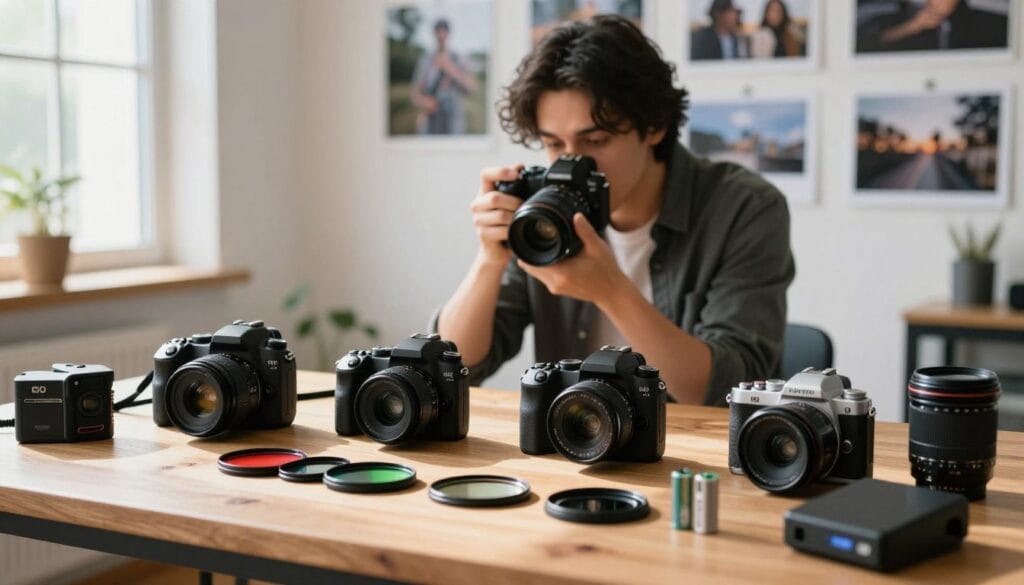
Essential Features to Look For
When selecting your ideal gear, it’s crucial to focus on specific features that can enhance your creative process. The right specifications can significantly impact your results and overall experience.
First, consider the autofocus capabilities of your chosen model. Fast and accurate autofocus ensures you capture moments precisely, especially in dynamic environments. Next, pay attention to the sensor capabilities. A camera that performs well at high ISO settings will help you achieve clear, noise-free images in various lighting conditions.
Another key aspect is lens compatibility. A versatile camera allows you to use a range of lenses, expanding your creative options. Always check if your brand supports various lenses that suit your shooting style.
In addition, ensure your camera can capture photos in RAW format. This format provides greater flexibility during editing, allowing you to refine your images using software like Adobe Photoshop. Don’t forget about the memory card; verify that it is compatible with your computer, or budget for a card reader to facilitate file transfers.
Lastly, advanced features like touchscreens and articulating screens can enhance your shooting experience, especially when working from challenging angles.
| Feature | Importance | Considerations |
|---|---|---|
| Autofocus | Captures sharp images | Speed and accuracy matter |
| Sensor | Handles low light | High ISO performance is key |
| Lens Compatibility | Expands creative options | Check brand offerings |
| RAW Format | Editing flexibility | Use editing software |
| Memory Card | File transfer ease | Ensure compatibility |
Real-Life Recommendations and User Experiences
Real-world insights can greatly enhance your understanding of photography tools. Many photographers, like Kimberly Cauble, who has captured over 85 weddings since 2012, emphasize that the right cameras should let you focus on the art of photography.
On social media platforms like Twitter, many people share their experiences, and Canon consistently ranks as a top choice among professionals. This feedback highlights the brand’s strong reputation in the industry.
It’s beneficial to consult a list of recommendations from experienced individuals in the field. Understanding the real-world pros and cons of different camera systems can guide your decisions effectively.
Real-life experience shows that while some cameras lead the market, the best cameras for you are those that feel comfortable and intuitive in your hands. Learning from the success of other photographers can help you avoid common mistakes as you establish your own professional venture.
Must-Have Accessories to Complement Your Camera
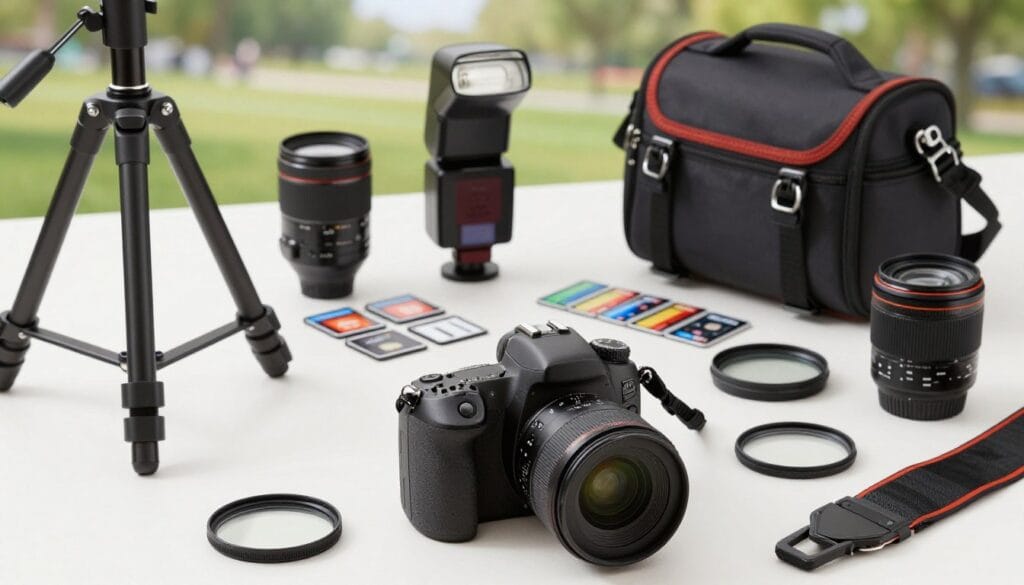
To enhance your photography experience, having the right accessories is essential. These tools not only improve your workflow but also ensure that you capture every moment without hassle.
Investing in extra memory cards is a must, as you never want to run out of storage space during a critical moment in your work. Always carry spare batteries to keep your camera powered throughout your session, saving you time and frustration.
Additionally, protective gear like a high-quality camera strap or harness helps you manage your gear comfortably while working with clients. A simple cleaning cloth is also vital, keeping your lens free of dust and smudges for every photo.
While accessories add to the total cost of your setup, they are essential investments that protect your camera and help you deliver professional results.
Conclusion
Starting your adventure in image-making calls for careful planning and consideration. Choosing the right equipment is a personal journey that reflects your unique style and budget. Whether you lean towards Canon, Nikon, or another brand, the most important step is to get started. Begin capturing the moments that matter to your clients.
Always remember that your skills and creative vision are more important than having the most expensive gear. As you grow in this field, you can upgrade your tools and expand your lens collection to meet your evolving needs.
Thank you for following this guide. I hope you feel confident in selecting the right tools to launch your successful career in the industry. Stay focused,
Ray Baker.