
Digital cameras have many advantages but they also have some disadvantages and response time is one of them. There are three response times that you should care about: the delay between pressing down the shutter button and shooting a photo, the delay between turning on the camera and shooting a photo and the delay between shooting a photo and shooting a subsequent one. This article explains the causes for these delays and suggests ways to overcome them.
 Ray Baker
An Underwater Photography Adventure
As years go by, the world of photography continues to reinvent itself along with the changes in technology. Its pillars continue to come up with better sets of equipment like cameras and constantly come up with new methods and strategies to produce better photograph.
How To Shoot Great Firework Pictures
These days there seems to be a firework display at almost every outdoor event, and there are also plenty of other opportunities which you can use to perfect your Firework technique. The unpredictable nature of the position, color and shape of each firework explosion means that no two shots will ever look the same. But follow our advice and you’ll be able to get some stunning fireworks shots.
Palettes for digital photos: RGB, CMYK, and HSV – new
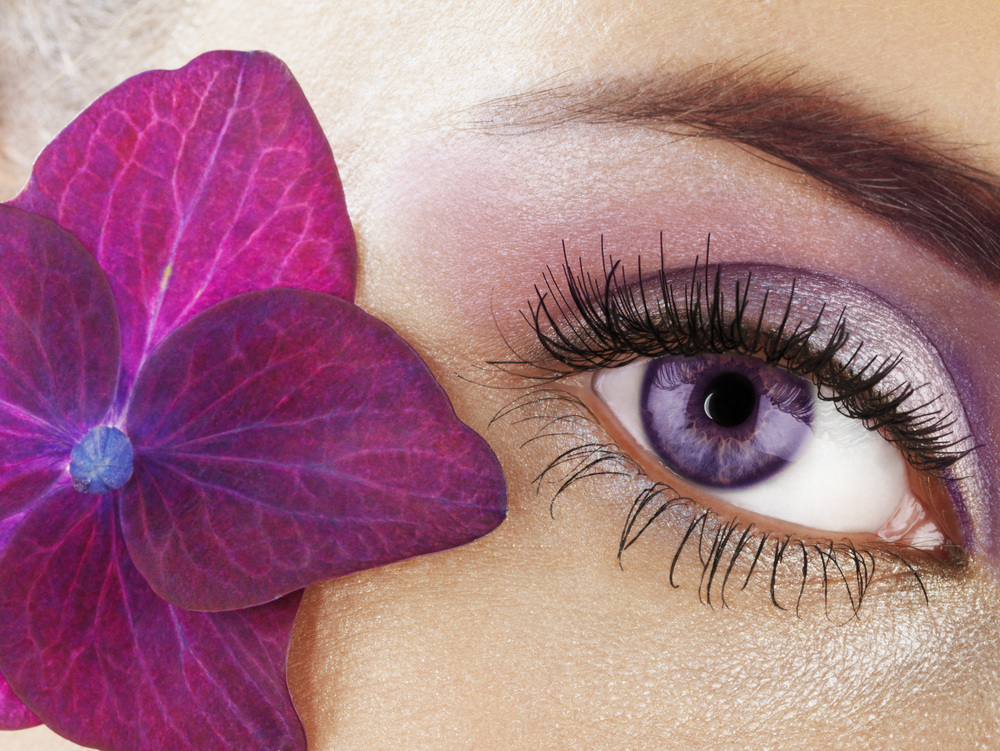
 Imagine drawing a picture using only dots. If you look very closely at a digital photo, you will see that this is exactly the case; the image is made up of millions of tiny pixels. Each pixel has just the right color and intensity to create the desired image when combined with all the other pixels. This is true of any digital picture, whether it be on your computer screen or printed on paper.
To get the right color, a pixel uses a combination of three or four base colors. Thousands of colors can be produced by combining these colors in different ways.
Photos for grads: Tips on senior photography

 Graduating from high school is one of the most important rites of passage for a teenager. As seniors say goodbye to their longtime friends and head off for the unknown, senior portraits are one of the ways they will take a little bit of their history with them. Young people know this, and so it’s important to them that these portraits are personal and flattering.
In Search of the Perfect Silhouette
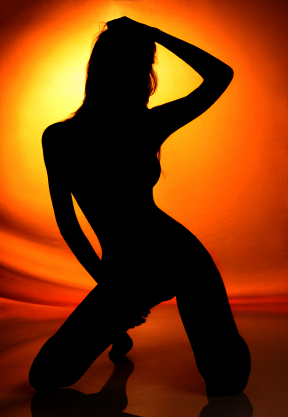
 A tried and true, yet stunning, technique is the silhouette. Who has never had their eye caught by the dramatic contrast of a couple outlined by a sunset, a skyline against the light glow of the sky, or the stark, blunt horizon of a field or forest? Silhouettes are appreciated by any observer and are actually somewhat rare nowadays.
While anyone can appreciate a silhouette, photographers can also appreciate the care and precision that went into creating the unique style. Taking a silhouette requires careful planning and even a little luck. The time and location of a shot is crucial, as is the way you set your exposure.
The Camera Obscura: The World’s Oldest Camera – new

 Do you know where the word “camera” comes from? If you’ve studied any Romance languages, you may associate the word with the concept of “room.” In fact, the camera is a descendant of a very old technique called the “camera obscura,” which is Latin for “dark room.” The camera obscura works on basic physics principles of geometric light rays, and has been known about by various cultures for thousands of years.
A Wedding Photography Survival Guide
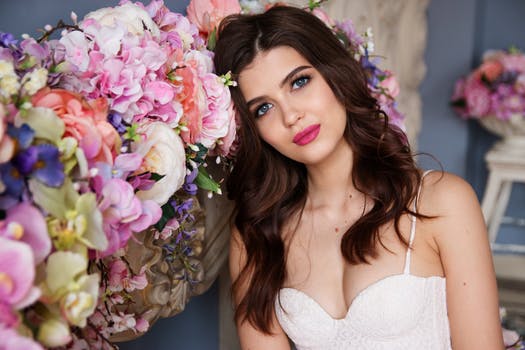
 Doing weddings is a really fun way to expand your photography business. They are emotional events that will be fondly remembered by everyone. However, such momentous occasions have their own problems that can cause big headaches for the photographer. With emotional events come family tensions, anxious brides, parents who want everything done just-so, drunk guests, and little choice in the photographic setting.
The Photographer as Makeup Artist

 You may be wondering why a photographer might need to know something about makeup. After all, shouldn’t this be left to the person hiring your photographic services? Actually, a little makeup knowledge is something every photographer needs. This is true whether you’re shooting a professional model, or the family next door. The reason for this is that makeup and photography are two parts of one process: the creation of a beautiful image.
Use of Color in Digital Photography
Everyone knows that taking a good photograph requires a good deal of technical knowledge. Camera settings, developing techniques, and with digital photography, software skill are all important skills in the trade. However, composing an image is about so much more than just technical skill. The photographer is an artist. A piece will be quickly forgotten unless it inspires personal thoughts and feelings.