
By Ray Baker
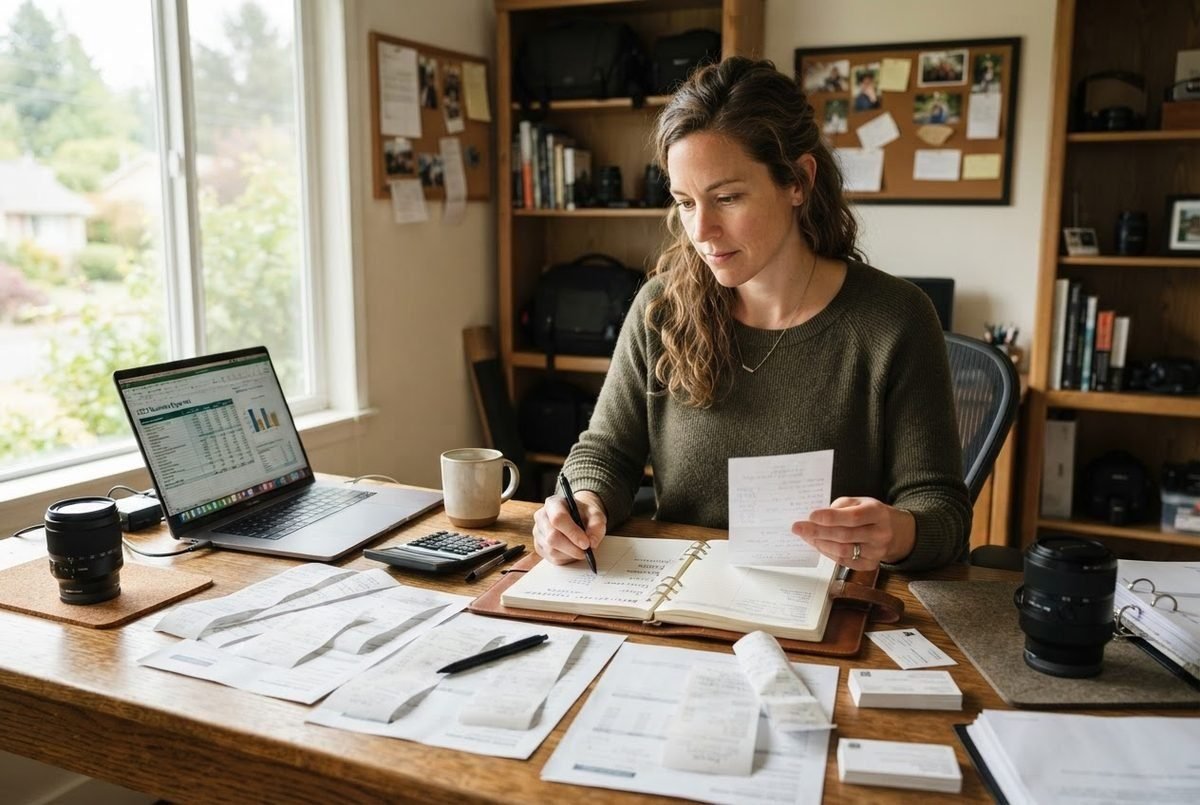
Most working photographers miss photography business tax deductions because they treat tax time as a one-week scramble instead of a weekly habit. I would rather you keep a boring log all year than spend March guessing what you spent. The gear, the car, the spare room, the editing software, the insurance, the website: if you used it to earn, you need to ask one question. Was this for the business? If the answer is yes, record it now.
What photography business tax deductions can you claim?
Most photography business tax deductions depend on whether an expense is ordinary and necessary for your trade and how you use each item. In practice, that often includes camera gear, marketing, insurance, business travel, business use of your car, and a dedicated home workspace, but your records decide what survives a review.
Key takeaways
- Deductions follow business use, not what you own, and personal use is separated out.
- Good records help you keep track of deductible expenses and support items reported on your tax returns [1].
- If you’re self-employed, you can generally figure the amount of your deductible car expense by using one of two methods [2].
- To deduct expenses for business use of the home, you must use part of your home exclusively on a regular basis as your principal place of business, or as another qualifying use [3].
- Save the boring stuff: receipts, mileage notes and a simple log matter more than clever categories.
Need a clearer pricing method for client work? The eBook explains pricing, licensing and releases in plain English, without guesswork.
Price with more confidenceWhat counts as a deductible expense?
The first rule of photography business tax deductions is to separate business from personal use. The IRS guide to business expense resources maps major resources by topic, including deducting business expenses, rent expense, and using your home for business [4]. For photographers, the practical list usually includes gear you buy or repair, editing software, insurance, portfolio and website costs, client meetings, and the mileage or travel to a shoot. The principle is the same across all of them: the expense needs to be for your trade or business, not a personal purchase that happens to sit near a camera.
I think people overcomplicate this part. You do not need a separate bank account on day one, but you do need a clean line between business and personal spending. If you use a lens for both family photos and client work, you cannot simply deduct the whole thing without thinking. The business portion is what counts, and that is where a little recordkeeping saves you later. Before you set prices, it helps to separate what your work really costs from what you think it costs, which is covered in our guide on photography business expenses.
Can you claim camera gear and studio equipment?
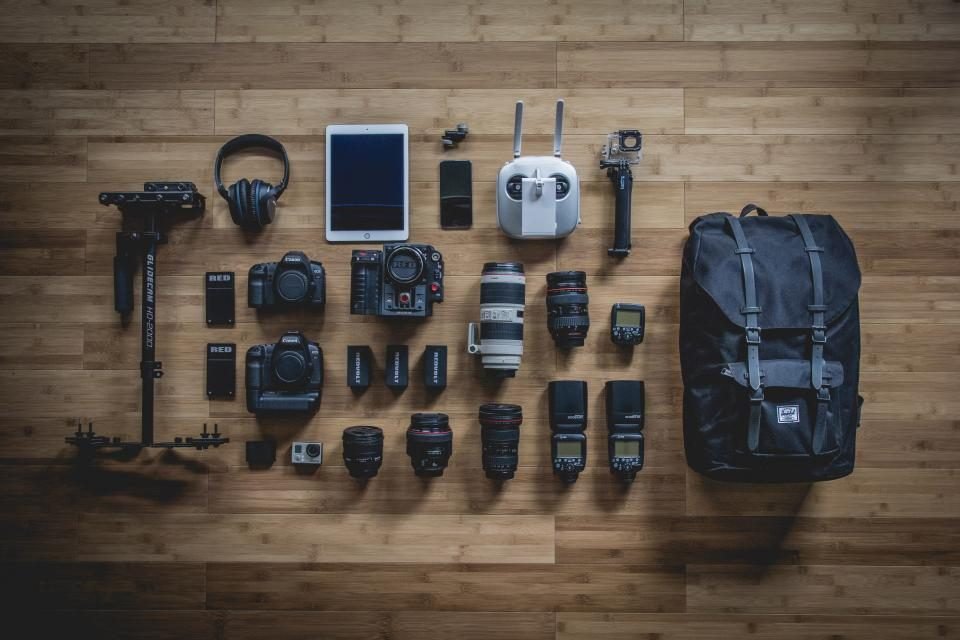
Yes, usually, but only to the extent you use it for the business. I treat a camera body the same way I treat a work vehicle: if it earns money, the business-use share is the deductible part. For gear that is only for client shoots, the answer is easier. For gear that is shared with family or personal trips, keep a simple note of when and how it was used. This is not about hiding personal items, it is about being able to show the split if you are asked.
Bigger equipment purchases are often handled differently from small consumables like memory cards or batteries, so do not guess. I would rather you keep the receipt and a note about business use than assume you can write off the full cost in one year. The categories matter less than your ability to point to a receipt and a business reason.
Worried a shoot will slip through without paperwork? See a simple approach to releases and licensing that protects paid jobs.
Get the paperwork guideCan you claim car travel and mileage?
If you are self-employed, car expenses can be deductible when you use the car for business. The IRS notes that if you use your car only for business purposes, you may deduct its entire cost of ownership and operation (subject to limits discussed later), but if you use the car for both business and personal purposes, you may deduct only the cost of its business use [2]. That line matters for photographers who drive to a venue, carry gear to a shoot, or meet a client across town.
You can generally figure the amount of your deductible car expense by using one of two methods: the standard mileage rate method or the actual expense method, and you may want to figure your deduction both ways before choosing a method [2]. I keep a small note in my phone after a work drive: date, trip, purpose, and the distance. It takes less than a minute, and it stops a good deduction from disappearing.
Can you claim a home studio or office?
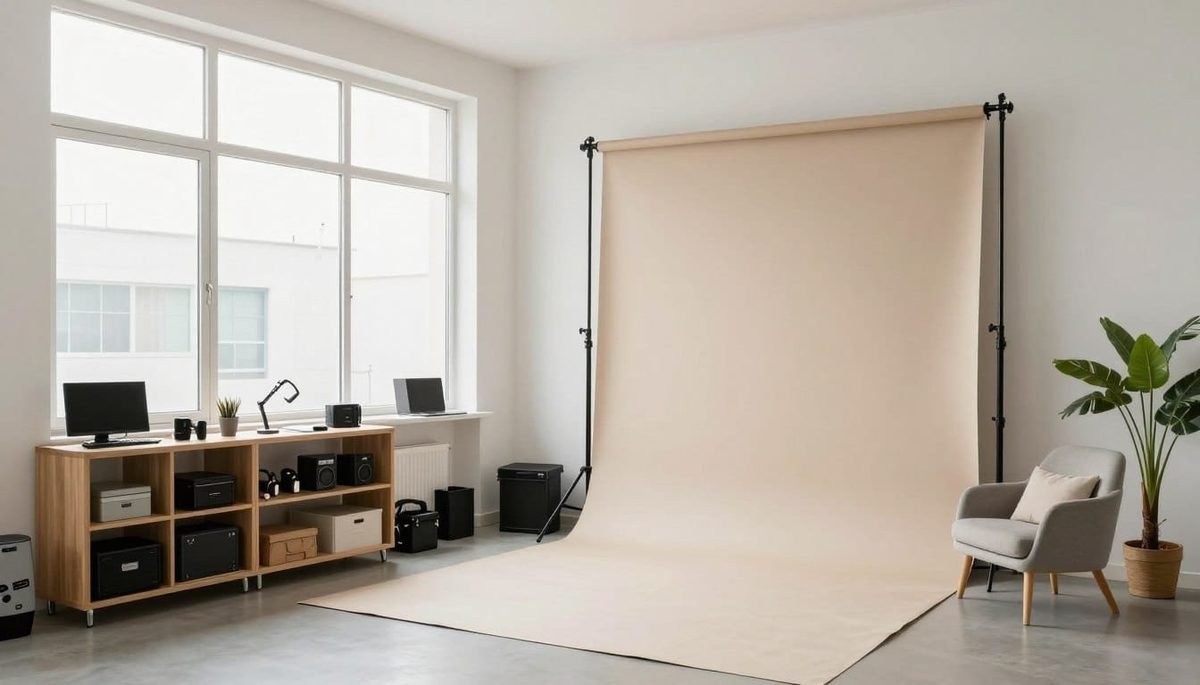
A home workspace can qualify, but the requirement is strict in a way many photographers underestimate. To deduct expenses for using your home for business, you must use part of your home exclusively on a regular basis as your principal place of business, as a place where you meet or deal with your patients, clients, or customers, or as a separate structure that’s not attached to your home used exclusively on a regular basis in connection with your trade or business [3]. A corner of the lounge that doubles as the kids’ playroom usually will not pass that exclusive use test.
If you run a home studio where clients come for portraits, that can fit the client meeting rule, but the space has to be used for the business in a regular and identifiable way. I favour marking out a clear area and taking a few dated photos of it once a season. That is not a legal shortcut, but it helps you remember the setup and describe it accurately.
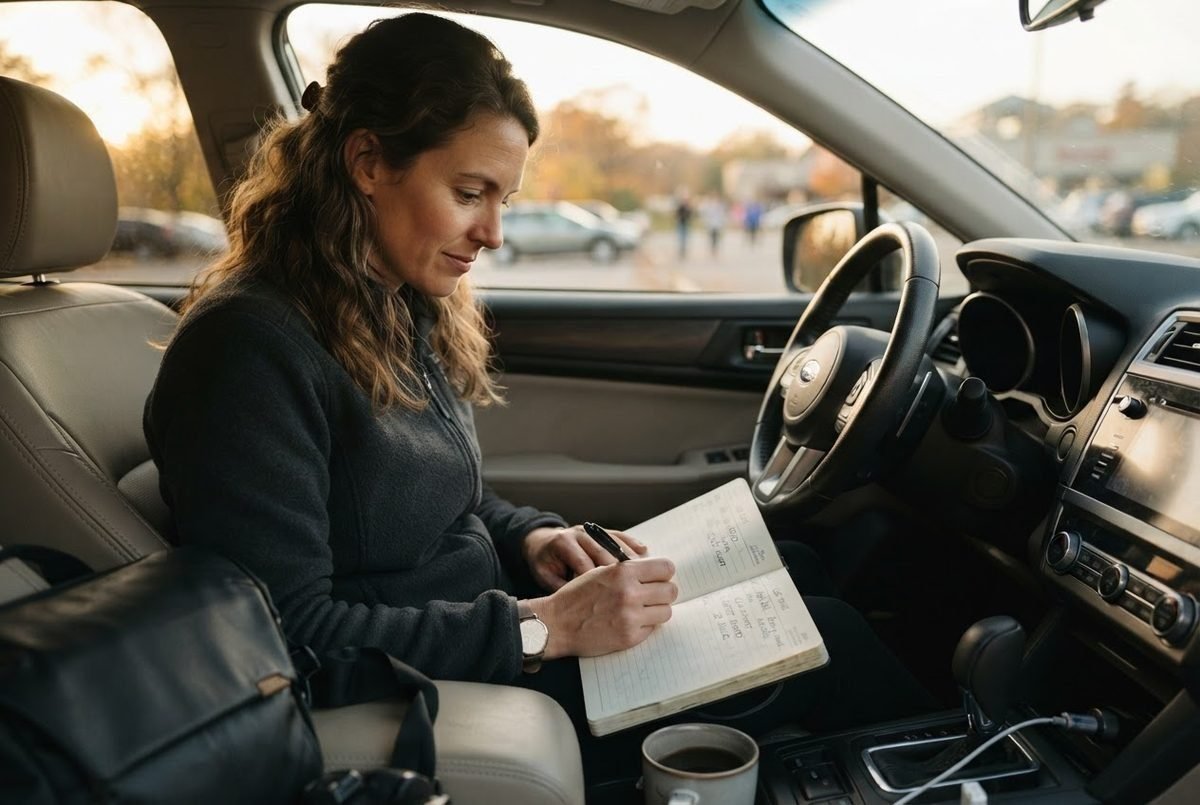
Want a calmer tax-time routine this year? Use a practical photographer-friendly habit to keep client costs and records organised.
Start a better record habitWhat five habits make deductions easier to claim?
These are the habits I would build before I worried about advanced tax planning. They are not complicated, but they do require consistency. If you are still unsure how to label each cost, a simple framework for categorising photography expenses will help.
- Keep a simple record of income and expenses. The IRS says you may choose any recordkeeping system suited to your business that clearly shows your income and expenses [1].
- Separate business and personal spending. Use a dedicated account or card for client work when you can, so the mix stays small.
- Log car trips as they happen. Note the date, purpose, and distance. If you use a mileage method, you will need that detail.
- Photograph big purchases and receipts. A clear, dated image is easier to keep than paper, and it ties a cost to a moment.
- Review one category each week. Spend ten minutes on gear, travel, home, or software, and file what you find before it builds up.
I would rather see a photographer keep five boring habits than chase one clever deduction at the end of the year. The habit is the deduction.
Related reading
- Photography Business Expenses: Know What Your Work Really Costs Before Setting Prices: Shows how to separate real costs before setting prices, which pairs with tracking deductible expenses.
- How Do I Categorize My Photography Expenses?: Offers a simple framework for labelling expenses so year-end records make sense.
Frequently asked questions
Can I deduct my camera if I also use it for personal photos?
You can usually deduct only the business-use portion. Keep a simple note or log of when the gear is used for paid work, and leave the personal share out of your claim.
What counts as business travel for a photographer?
Travel away from your tax home for a shoot or client meeting may be deductible, but personal side trips generally are not. Meals are subject to a 50% limit [5].
Do I need a separate business bank account?
It is not the same legal test as the deduction itself, but a separate account makes it far easier to show which expenses were business. I recommend it if your volume of client work grows.
Is a home studio deduction worth the effort?
It can be, but the exclusive and regular use rule discussed above still applies. If you meet clients at home or use a separate studio structure, keep dated photos and a floor plan.
How should I keep records?
A system that clearly shows income and expenses matters more than the format, but you need records that support what you report. Start simple and keep it current.
Honest take
In my view, the photographers who claim the most are not the ones with the most gear; they are the ones who can explain a cost a year later. This suits solo shooters keeping their own books, less so anyone whose accountant already runs the numbers. My single next step would be a short written note for every second-hand purchase: date, item, price and seller. A cash lens with no paper is the one thing that turns a fair claim into an argument, and no photography business tax deductions list will rescue it.
References
- Internal Revenue Service. Recordkeeping. https://www.irs.gov/businesses/small-businesses-self-employed/recordkeeping
- Internal Revenue Service. Topic no. 510, Business use of car. https://www.irs.gov/taxtopics/tc510
- Internal Revenue Service. Topic no. 509, Business use of home. https://www.irs.gov/taxtopics/tc509
- Internal Revenue Service. Guide to business expense resources. https://www.irs.gov/forms-pubs/guide-to-business-expense-resources
- Internal Revenue Service. Publication 463, Travel, Gift, and Car Expenses. 2025. https://www.irs.gov/publications/p463
Shoot well and follow up faster,
Ray Baker