

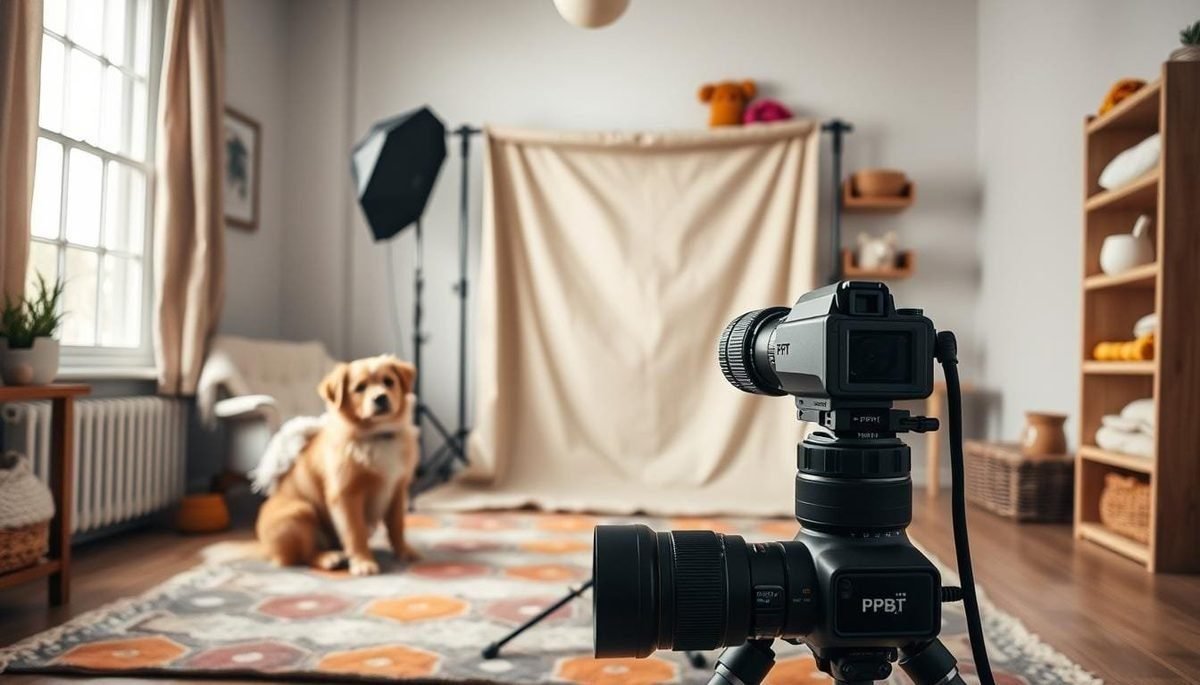
By Ray Baker
Most working photographers I meet spend too long on gear and too little on the part that keeps the business alive. If you are after advice starting small photography business, start with the decisions that affect tax, location, zoning and market fit before you book a single client. The camera is rarely the reason a small studio fails. The reason is usually a missing business skeleton underneath the portfolio.
Advice Starting Small Photography Business?
Start lean, but treat the structure seriously. Choose a location and business form before you promote yourself, understand who will actually pay you, register properly, check local zoning and licences, and keep your tax records separate from day one. The camera can wait; the business foundation cannot.
Key takeaways
- Pick a location with zoning that allows your studio or home shoots.
- Do a small market check before you buy more gear.
- Register your business name and structure early.
- Keep a simple business plan and startup budget.
- Separate business money and tax records from the first payment.

Want a plain-English pricing and licensing guide? Use the eBook to organise pricing, licensing and releases before your first client books.
Plan my pricingWhere should I base my photography business?
Your business location determines the taxes, zoning laws, and regulations your business will be subject to [1]. You might have fewer zoning restrictions if you base your business out of your home, but zoning ordinances can still apply even to home-based businesses [1]. Zoning laws are typically controlled at the local level, so check with your department of city planning, or similar office, to find out about the zoning laws in your area [1]. Where you locate your business depends in part on the location of your target market, business partners, and your personal preferences [1]. Costs that can vary significantly by location include standard salaries, minimum wage laws, property values, rental rates, business insurance rates, utilities, and government licenses and fees [1]. Also consider parking, client perception and whether the space fits the type of shoots you want to sell. I would not sign a long studio lease until I had a few paying clients. If you are outside the United States, find the equivalent local planning or business permit office in your city or region.
How do I work out whether clients will book me?
Market research helps you find customers for your business. Competitive analysis helps you make your business unique. Combine them to find a competitive advantage for your small business [2]. Answer questions about demand, market size, market saturation, and pricing to get a good sense of your market [2]. Gather demographic information to better understand opportunities and limitations for gaining customers, such as population data on age, wealth, family, and interests [2]. Existing sources can save you a lot of time and energy, but the information might not be as specific to your audience as you’d like. Asking consumers yourself can give you a nuanced understanding of your specific target audience [2]. Think about who near you actually pays for photography: families, real estate agents, small businesses, event planners, and as part of your advice starting small photography business, consider each group carefully. Then look at what those people search for and what they already pay. A quick check of local social media groups, search results and two or three competitor websites can reveal which services are already crowded and which gaps remain. Compare a few local photographers’ pricing, but do not copy it blindly; use it to find your own position. Once you understand who might book you, read this guide on how to find business with photography service work, which pairs well with advice starting small photography business.
Starting small and unsure what to charge? Read plain-English advice that helps you set client-friendly pricing without pressure.
Set my ratesWhat paperwork do I actually need to start?
You’ll need to register your business, pay taxes, and get licenses and permits in the place you choose to locate your business [1]. Launch your business covers choosing a business structure, choosing your business name, getting federal and state tax ID numbers, opening a business bank account, and getting business insurance [1]. Start with basic federal tax information for people starting a business, and for state-level requirements, refer to your state’s website [3]. Generally, you are self-employed if you carry on a trade or business as a sole proprietor or an independent contractor [4]. Do not skip this just because you start small. A side hustle is still a business when the tax office looks at it. Keep the name simple, searchable and easy to spell, because clients will type it into a browser.
Do I need a formal business plan at first?
I do not think you need a 40-page document, but you do need a short working plan. Official small business planning resources include business plan templates and a startup cost calculator [5]. A plan should cover your offer, target clients, pricing and monthly costs. It keeps you honest when a client asks for a discount or you are tempted to buy gear you do not need. Writing down your break-even number also makes pricing conversations easier, because you know the minimum you need to earn before the month starts. A startup cost calculator also stops you from forgetting small repeating costs like insurance, cloud storage and travel. If you are at the very beginning, see 7 tips for starting out as a digital photographer.
Need clearer licensing and release terms? This guide helps you prepare simple, fair client terms before you shoot.
Prepare my termsWhat are 5 easy tips for starting lean?
These are the moves I would make before spending money on marketing. They cost almost nothing and prevent the two mistakes I see most: overspending on gear and skipping the admin.
- Check local zoning before you convert a spare room or sign a studio lease.
- Ask five people in your target market whether they would pay for your service.
- Write a one-page plan with your offer, price range and monthly costs.
- Open a separate business bank account before the first client pays you.
- Set a monthly admin hour for receipts, tax and follow-ups.
How do I keep tax simple when starting?
Separate your business money early. The Internal Revenue Service has a self-employed individuals tax center that covers self-employed tax obligations, quarterly payments and annual returns [4]. Once you have that, use the federal and state starting points I mentioned earlier. I keep this simple: one business bank account, a folder for receipts, and a regular date to review numbers. Set aside a portion of every paid invoice for tax, even if it is only a small percentage at first. If you are outside the US, find your local tax authority’s small business page and follow the same documentation habit. It is easier than fixing a mess later, and it helps you see whether the photography work is actually covering its costs.
Related reading
- How to Find Business With Photography Service Work: Turn early market research into actual client enquiries.
- 7 Tips for Starting out as a Digital Photographer: A plain start-up path for photographers near the beginning.
Frequently asked questions
Do I need to register a photography side hustle?
Yes. Even a weekend side hustle has registration, tax and licence obligations in many places. Treat it as a business from the first paid job, and choose a name you can use on invoices and a bank account.
Can I run a photography business from home?
Often yes, but a home studio can still face local rules. Confirm with a quick council or city planning check before you buy backdrops or advertise a studio address, so you do not build around a space you cannot use.
How much should I spend to start a small photography business?
There is no fixed number. Start with the gear you already own and spend only on the basics: registration, insurance if it is relevant, a simple website and a way to deliver files. Add gear when paid work justifies it.
Should I get a business plan if I only shoot weekends?
Yes, but keep it to one page. List your offer, target clients, pricing and costs. A short plan helps you say no to projects that do not fit without creating a long document you will never open.
Do I need a separate business bank account from day one?
It is one of the easiest ways to keep tax records clean. Mixing personal and business money makes tax time harder and can hide whether your photography business is actually earning enough to continue.
Honest take
My honest advice starting small photography business is to resist the urge to perfect the portfolio before the business. Do the boring decisions early: location, market fit, registration and tax. The photographers I see struggle most are the ones who hide behind gear or editing while the admin pile grows. A small, structured start beats a big unregistered one. Do the unglamorous work now, then go shoot.
References
- Small Business Administration. Launch your business. https://www.sba.gov/counseling/launch-your-business/#business-structure
- Small Business Administration. Plan your business. https://www.sba.gov/counseling/plan-your-business/#market-research
- Internal Revenue Service. Starting a business. https://www.irs.gov/businesses/small-businesses-self-employed/starting-a-business
- Internal Revenue Service. Self-employed individuals tax center. https://www.irs.gov/businesses/small-businesses-self-employed/self-employed-individuals-tax-center
- Small Business Administration. Plan your business: business plan. https://www.sba.gov/counseling/plan-your-business/#business-plan
Shoot well and follow up faster,
Ray Baker