

Last month, my mate Dave shot a beautiful wedding in Sydney. The photos were stunning. The bride cried happy tears. Everyone loved his work. Then came the invoice. The couple refused to pay, claiming they’d agreed to half the price. Dave had nothing in writing. No photography contract. No protection. He lost $3,200 and countless hours of work.
If you’ve ever felt that stomach-dropping fear of a client dispute, you’re not alone. But here’s the good news: a solid photography contract template can protect your business, set clear expectations, and help you sleep better at night. Let’s sort this out together.
Quick Answer: What You Need to Know About Photography Contracts
A photography contract is a legal agreement between you and your client that outlines services, payment terms, delivery timelines, copyright ownership, and cancellation policies. Every photographer needs one, whether you’re shooting weddings, portraits, or commercial work. A good contract template protects both parties and prevents misunderstandings that can cost you money and damage your reputation. Download a customizable template, add your specific details, and have both parties sign before any photo session begins.
5 Essential Things Every Photography Contract Must Include
- Clear payment terms including deposit amounts, due dates, and accepted payment methods
- Detailed scope of services specifying hours, locations, number of photos, and deliverables
- Copyright and usage rights defining who owns the images and how they can be used
- Cancellation and rescheduling policies with refund conditions for both parties
- Liability clauses protecting you from equipment failure, weather issues, or unforeseen circumstances
Get Your Free Photography Contract Template
Download our comprehensive, lawyer-reviewed photography contract template that you can customize for any type of photo session. Protect your business starting today.
Why Every Photographer Needs a Contract (Yes, Even You)

Here’s the thing about photography contracts: they’re not just for the big commercial photographers with fancy studios. Whether you’re shooting your first paid wedding or you’ve been in business for years, a contract protects your work and your wallet.
Think about it this way. When you shoot an event, you’re investing your time, equipment, expertise, and creative energy. Without a written agreement, you’re basically trusting that everyone remembers the same details about payment, delivery, and usage rights. And let me tell you, memories get fuzzy fast when money’s involved.
Research from small business legal experts shows that contract disputes cost photographers an average of $2,800 in lost revenue and legal fees annually. That’s money that could buy new gear or fund a workshop to improve your craft.
The Real Risks of Working Without a Contract
Beyond financial losses, working without contracts exposes you to several headaches. Clients may expect unlimited revisions. They might use your photos for commercial purposes when you only agreed to personal use. Or they could cancel last-minute and refuse to pay your deposit.
A proper contract sets boundaries. It defines what’s included in your service and what costs extra. It protects your copyright so clients can’t sell your images to third parties. And it gives you legal recourse if things go sideways.
With a Photography Contract
- Clear expectations reduce client disputes
- Legal protection if payment issues arise
- Defined copyright and usage rights
- Professional image attracts serious clients
- Peace of mind during every shoot
Without a Contract
- Verbal agreements lead to misunderstandings
- No legal recourse for non-payment
- Clients may misuse your images
- Difficult to enforce cancellation policies
- Constant worry about potential problems
What Your Photography Contract Template Should Include
A solid photography contract doesn’t need to be 50 pages of legal jargon. But it does need specific elements to protect both you and your client. Here’s what every contract should cover.
Client and Photographer Information
Start with the basics. Include full legal names, addresses, phone numbers, and email addresses for both parties. This section establishes who’s entering the agreement. It’s also where you’ll specify the type of photo session: wedding photography contract, portrait session, commercial work, or event photography.
Make sure dates are crystal clear. Include the event date, any preparation dates, and the contract signing date. If you’re shooting a multi-day event like a wedding weekend, list all relevant dates and times.
Scope of Services and Deliverables
This is where you get specific about what you’re actually providing. How many hours will you shoot? How many final edited photos will the client receive? What’s the delivery timeline? Will you provide digital files, prints, or both?
Be thorough here. If your wedding photography packages include an engagement session, specify that. If travel to multiple locations is part of the agreement, list those locations. The more details you include, the fewer disputes you’ll face later.
A good photography contract example might specify: “Photographer will provide coverage for 8 hours on the wedding date, deliver a minimum of 400 edited digital images within 6 weeks, and include one engagement session at a location within 25 miles of the photographer’s studio.”
Payment Terms and Conditions
Money talks, so make sure your contract speaks clearly. Specify your total fee, deposit amount (typically 25-50% of the total), and when the final payment is due. Include accepted payment methods and any fees for late payments.
Many photographers require full payment before delivering final images. If that’s your policy, state it clearly. Also address what happens to the deposit if the client cancels. In most cases, deposits are non-refundable because you’re reserving your time and turning away other potential clients.
Don’t forget to mention additional costs. Will clients pay extra for travel beyond a certain distance? Are rush delivery fees applicable? What about print orders or additional hours? Spell it all out so there are no surprises when the invoice arrives.
Copyright and Usage Rights
This section protects your creative work. As the photographer, you automatically own the copyright to images you create. Your contract should state this clearly while defining how clients can use the photos.
Most photographers grant clients a license to use images for personal purposes like social media posts and prints. But you might restrict commercial use or require credit when images are published. If you want to use photos in your portfolio or marketing, get that permission in writing here.
A model release form is often separate from your main contract but related. It gives you permission to use someone’s likeness in your promotional materials. For client sessions, including model release language in your photography contract terms and conditions saves you from chasing down signatures later.
Cancellation and Rescheduling Policies
Life happens. Weddings get postponed. Clients get sick. Your contract needs to address these situations fairly. Define your cancellation policy clearly, including any deadlines and refund amounts.
A typical policy might keep the deposit if cancellation occurs within 30 days of the event but offer a partial refund for earlier cancellations. For rescheduling, you might allow one free date change if done far enough in advance but charge a fee for last-minute changes.
Don’t forget to address what happens if you need to cancel. While rare, emergencies occur. Having a backup photographer network and a plan for this scenario shows professionalism and protects everyone involved.
Liability and Limitation Clauses
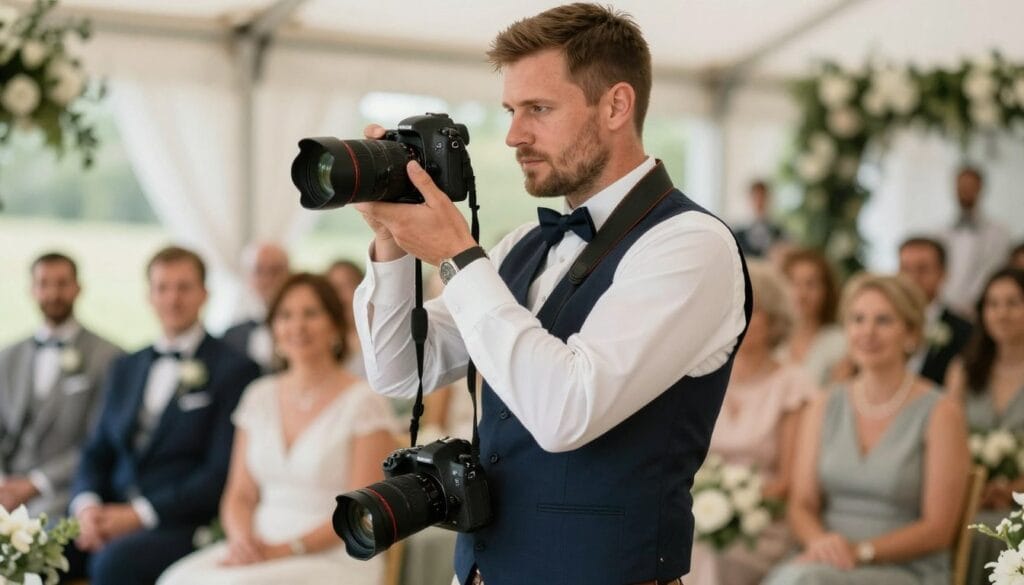
Equipment fails. Memory cards corrupt. Sometimes, despite your best efforts, things go wrong. Your contract should limit your liability in these situations while showing clients you have contingency plans.
State that you’ll bring backup equipment and take reasonable precautions. But also clarify that you’re not liable for events beyond your control, like venue restrictions, poor weather, or equipment failure. Many photographers cap their liability at the amount paid for services.
You might also include an indemnification clause protecting you if someone gets injured during the shoot or if the client uses images in a way that violates someone else’s rights.
Want more on the Photography Business? Visit https://photography-business-tips.com/
How to Customize Your Photography Contract Template for Different Services
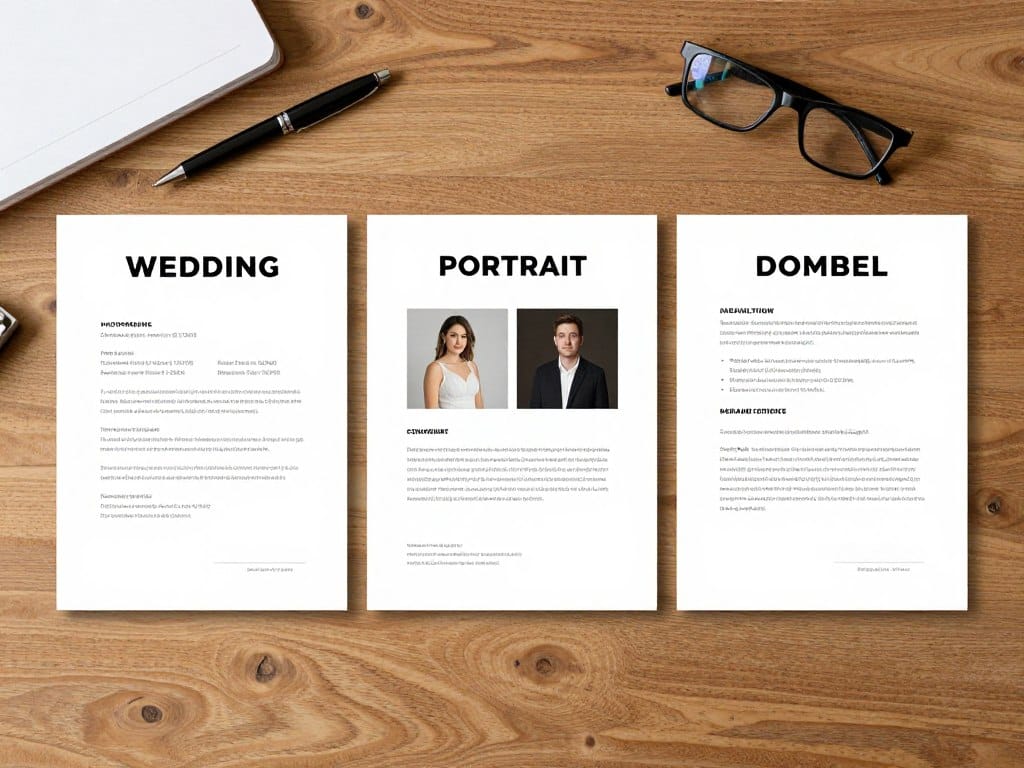
Not all photo sessions are created equal. While the core elements remain the same, different types of photography work require specific contract adjustments. Here’s how to adapt your template for various situations.
Wedding Photography Contracts
Wedding photography contracts are typically the most detailed. They need to cover multiple locations, extended hours, coordination with other vendors, and the emotional significance of the event. Include specifics about which parts of the day you’ll cover, from getting ready through the reception.
Address the issue of family photos explicitly. How much time is allocated for formal portraits? Who’s responsible for providing a shot list? What happens if Uncle Bob insists on jumping in front of your lens all day? These details matter when the big day arrives.
Also specify your backup photographer policy. If you become ill or face an emergency, who covers the event? How will that substitution work? Having this sorted beforehand prevents panic if the unthinkable happens.
Portrait and Family Session Contracts
Portrait sessions are usually shorter and simpler, but your contract still needs protection. Include information about session length, number of outfit changes, and whether you allow pets or large groups.
The delivery details matter here. How many images will clients receive? Do they get all the shots or just your selects? What’s the turnaround time? Can they purchase the unedited photos?
For family sessions with children, add language about cooperation. Kids have bad days. Sometimes they won’t smile no matter what you do. Your contract should acknowledge that you’ll make your best effort but can’t guarantee every family member will look perfect in every shot.
Event Photography Agreements
Corporate events, parties, and other event photography work require different terms. You might be working with a company rather than an individual, so include invoicing and payment procedures that work for business accounting departments.
Event contracts should specify deliverable formats. Does the client want high-resolution files for print? Web-optimized images for social media? Both? How about brand guidelines or specific editing requirements?
Usage rights become especially important for event photography. Will the client use photos for commercial marketing? Do you retain the right to use images in your portfolio? Can attendees tag themselves in photos on social media? Clear these questions up before the event starts.
Commercial Photography Contracts
Commercial work involves the most complex copyright and usage issues. Your contract needs to specify exactly how and where the client can use images. Is it for a single campaign or unlimited use? Print only or digital too? Regional or worldwide?
Licensing fees often depend on usage scope. A local restaurant using photos on their menu pays differently than a national brand using images in a television commercial. Build your pricing and contract terms around these distinctions.
Commercial contracts should also address image exclusivity. Can you sell the same shots to competitors? Can the client modify your images? Who owns the raw files? These questions impact both your compensation and creative control.
Photography Contract Best Practices That Prevent Problems

Having a great contract template is step one. Using it effectively is step two. Here are the practices that separate successful photographers from those who end up in payment disputes.
Always Get Signatures Before the Session
This seems obvious, but you’d be surprised how many photographers shoot first and chase signatures later. Don’t do it. No signature means no legal protection. Make contract signing part of your booking process, ideally when you receive the deposit.
Digital signatures work perfectly fine. Services like DocuSign or HelloSign make it easy for clients to review and sign contracts electronically. You get a time-stamped, legally binding agreement without printing and scanning.
Review the Contract With Clients
Don’t just email a contract and hope clients read it. Walk through the key points together, either in person or on a call. This ensures everyone understands the terms and gives clients a chance to ask questions.
Pay special attention to payment terms, delivery timelines, and usage rights. These are the areas where misunderstandings most often occur. A five-minute conversation now prevents a five-month dispute later.
Keep Detailed Records
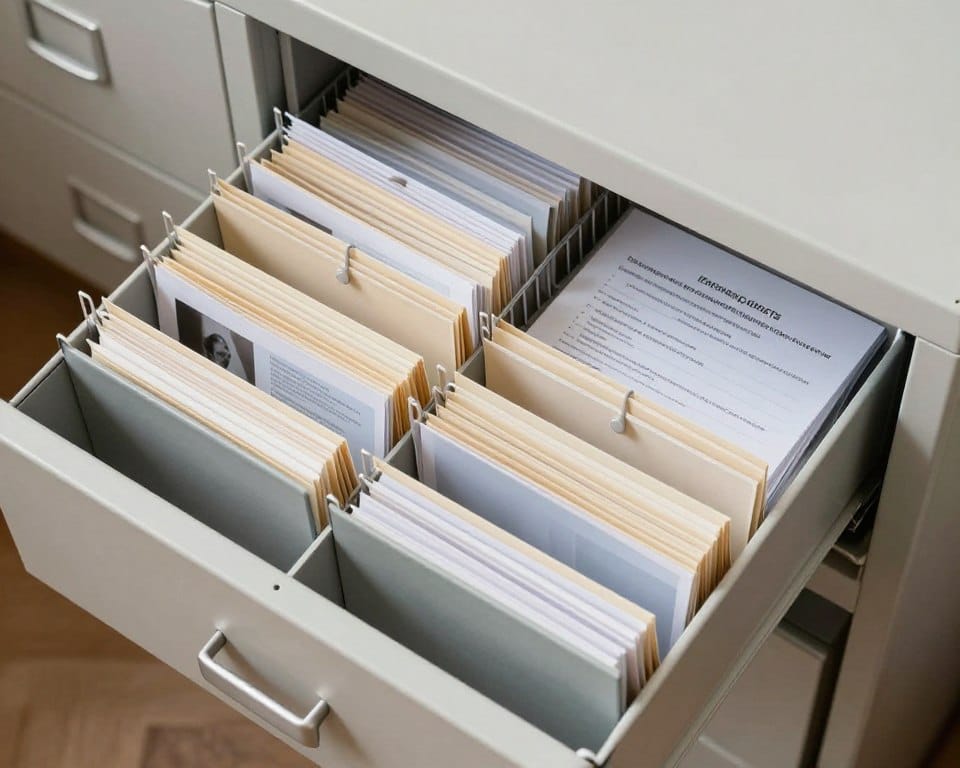
Store signed contracts systematically. Create a folder for each client containing their contract, invoices, correspondence, and shot lists. If a dispute arises months later, you’ll need these documents readily available.
Digital storage works great, but have backups. Cloud services like Google Drive or Dropbox ensure you can access contracts from anywhere. Local copies on an external hard drive provide redundancy if your cloud account faces issues.
Update Your Template Regularly
Your business evolves, and your contract should too. At least once a year, review your template and update it based on new services, pricing changes, or problems you’ve encountered. Consider having a lawyer review it periodically to ensure it complies with current laws.
If you expand into new photography niches, adjust your contract accordingly. The terms that work for portrait sessions might not suit commercial work. Your contract should grow with your business expertise and offerings.
Be Professional But Personable
Contracts can feel formal and intimidating, especially for clients who haven’t hired a photographer before. Soften the experience by explaining that the contract protects everyone involved. It’s not about distrust; it’s about clarity and professionalism.
Use clear language in your contracts. Legal jargon might sound impressive, but it confuses clients and creates barriers. Write in plain English that anyone can understand. Your clients will appreciate the transparency, and you’ll get fewer questions.
Need More Photography Business Resources?
Beyond contracts, running a successful photography business requires knowledge about pricing, marketing, client management, and creative techniques. Our website offers comprehensive guides across many Photography Categories including business strategy, technical tutorials, and creative inspiration to help you build the photography career you’ve always wanted.
Quick Photography Tips for Better Client Sessions

While we’re talking about protecting your business, let’s not forget why you became a photographer in the first place: creating beautiful images. Here are some quick tips that’ll improve your client sessions and deliver better results.
- Arrive early to scout locations and identify the best natural light before your client shows up
- Keep clients engaged with conversation to create natural, relaxed expressions rather than stiff poses
- Shoot more than you think you need—extra coverage gives you options during editing
- Pay attention to backgrounds and remove distracting elements before clicking the shutter
- Use burst mode for group shots to ensure at least one frame where everyone looks good
- Bring backup batteries, memory cards, and a second camera body to every paid session
- Review images periodically during the session to catch any technical issues early
- End sessions five minutes early so clients don’t feel rushed and leave with positive feelings
Simple Posing Tip for Natural Portraits
Here’s a quick posing hack that works wonders: instead of asking clients to “smile,” ask them to think about something that makes them happy or laugh. This creates genuine emotion rather than forced grins. For full-body poses, have clients shift their weight to their back foot and slightly turn their body rather than facing the camera straight on. This creates more flattering lines and reduces tension. Substitute direct instructions like “put your hand here” with gentle guidance like “try resting your hand naturally on your hip.” Your clients will look more relaxed and authentic.
Photography Studio Tips for Smooth Operations

Whether you have a dedicated studio space or work from home, organization makes everything easier. These simple studio tips will help you run sessions more smoothly and impress clients with your professionalism.
- Create a client welcome area with comfortable seating, water, and information about your services
- Label all equipment cases and storage bins so you can find gear quickly during sessions
- Keep contracts, model releases, and business cards in an easily accessible location
- Maintain a shot list template that you can customize for different types of sessions
- Stock your studio with simple props like solid-color blankets, chairs, and stools for variety
- Set up a sample gallery or portfolio book that clients can browse while you prepare
- Keep your space clean and decluttered—clients judge your professionalism by your environment
- Have a backup lighting setup ready to go if your primary gear fails mid-session
Common Photography Contract Mistakes to Avoid

Even with a solid template, photographers make predictable mistakes that undermine their contracts. Avoid these common pitfalls and you’ll save yourself considerable headaches.
Using Vague Language
Words like “approximately,” “around,” or “about” create wiggle room that clients will exploit. Instead of “approximately 300 photos,” say “a minimum of 300 edited images.” Instead of “around 6 hours of coverage,” specify “exactly 6 hours from ceremony start to reception end.”
The same applies to delivery timelines. “A few weeks” means different things to different people. State “within 4 weeks” or “by [specific date].” Precision prevents arguments.
Forgetting to Update Details
Templates are great, but don’t forget to customize them for each client. Double-check that names, dates, locations, and fees match your actual agreement. Sending a contract with the wrong client name or last month’s pricing looks unprofessional and creates confusion.
Create a checklist of fields to verify before sending any contract. It takes two minutes and prevents embarrassing mistakes that damage your credibility.
Skipping the Deposit
Some photographers, especially those just starting out, skip the deposit requirement to book more clients. This is a mistake. Deposits serve multiple purposes: they demonstrate client commitment, reserve your time, and provide compensation if they cancel.
Without a deposit, clients may book multiple photographers and cancel last minute when they decide on someone else. You’ve held that date, turned away other opportunities, and now you’re left with nothing. Require deposits. Always.
Not Addressing Second Shooters or Assistants
If you work with a second photographer or assistant, your contract should mention this. Clients sometimes assume you’ll personally shoot every frame. Clarify that you may use additional photographers to ensure comprehensive coverage and that all work remains under your creative direction.
Also address ownership and usage of images shot by second shooters. Typically, as the primary photographer, you retain copyright to all images from the session regardless of who pressed the shutter. Make sure your assistant agreements and client contracts align on this point.
Frequently Asked Questions About Photography Contracts
Do I really need a photography contract for small jobs or friends?
Yes, absolutely. Many photographers find their worst business disputes come from casual jobs or shoots with friends and family. When money changes hands, you need a contract regardless of the relationship. A simple agreement protects the friendship by setting clear expectations. It’s actually more important with friends because those relationships are harder to repair after a dispute. Keep your contract friendly in tone but include all the essential terms. Your friends will respect your professionalism, and you’ll avoid the awkwardness of money disagreements later.
What happens if a client refuses to sign the contract?
If a client won’t sign your contract, don’t proceed with the work. This is a major red flag indicating potential payment problems or unrealistic expectations. Politely explain that contracts protect both parties and are standard business practice for all professional photographers. If they still refuse, walk away. A client who won’t agree to fair terms before the work starts definitely won’t cooperate when issues arise. Trust your instincts. The client who respects your business processes is the client worth having.
Can I use the same contract template for all types of photography?
While core elements remain consistent, you should customize your contract template for different photography services. Wedding contracts need more detail about timeline and coverage than portrait sessions. Commercial work requires specific usage rights language that family photos don’t need. Event photography agreements should address client branding and social media usage. Start with a solid base template, then create variations for your main service offerings. This approach saves time while ensuring each contract addresses the specific needs of that type of work.
How much detail should I include in the photography contract terms and conditions?
Include enough detail to prevent common misunderstandings but not so much that clients won’t read it. Focus on the areas where disputes typically occur: payment amounts and schedules, exact deliverables, delivery timeline, copyright ownership, and cancellation terms. Use clear language and break information into sections with descriptive headings. A contract between 2-4 pages works well for most photography services. Anything longer risks overwhelming clients, while anything shorter probably misses important protections. Quality matters more than quantity.
Should I have a lawyer review my photography contract?
Having a lawyer review your contract is smart, especially when you first create your template or if you work in commercial photography with complex licensing agreements. A legal professional can ensure your contract complies with local laws, includes proper liability protections, and holds up if challenged. This doesn’t need to be expensive. Many lawyers offer flat-rate document reviews, or you can use legal services designed for small businesses. Consider it a one-time investment that protects your entire business. After the initial review, you typically only need legal help when making major changes.
What if a client wants to make changes to my contract?
Clients requesting contract changes isn’t unusual, especially for corporate or commercial work. Review their requests carefully. Some are reasonable negotiations about payment schedules or delivery dates. Others might try to shift all liability to you or claim excessive usage rights. Be flexible on minor points but firm on anything that significantly increases your risk or decreases your compensation. Document all agreed changes in writing, either by revising the contract or adding an addendum that both parties sign. Never agree to verbal modifications. If you can’t reach acceptable terms, it’s okay to decline the work.
How long should I keep signed photography contracts?
Keep signed contracts indefinitely, or at minimum, for seven years after the work is completed. This protects you if disputes arise long after the session. Clients might claim copyright violations years later, or tax authorities may request business records during audits. Digital storage makes this easy and inexpensive. Create organized folders by year and client name, back up files to cloud storage, and maintain a local copy on an external drive. The small effort of organization now prevents massive headaches if you ever need to reference old agreements.
What should I do if a client violates the contract after the work is done?
First, contact the client directly and reference the specific contract terms they’re violating. Often, violations happen from misunderstanding rather than malice. A friendly reminder usually resolves the issue. If they continue violating terms—using images commercially without paying licensing fees, for example—send a formal cease and desist letter citing your contract. Document everything. For serious violations involving significant money or copyright infringement, consult a lawyer about your options. Your contract gives you legal standing to protect your rights. Small claims court handles many photography disputes without needing expensive attorneys.
Protecting Your Photography Business Starts Today

Remember my mate Dave from the beginning of this article? After that painful $3,200 lesson, he now uses a comprehensive contract for every single job. No exceptions. He’s never had another payment dispute, and his clients respect his professionalism.
A photography contract template isn’t just a form to fill out. It’s your business shield, your reputation protector, and your peace-of-mind provider. It sets professional boundaries, clarifies expectations, and gives you legal standing if things go wrong.
Download a solid template, customize it for your services, and make signed contracts a non-negotiable part of your booking process. Your future self will thank you when that potentially difficult client situation turns into a simple matter of referencing your agreement.
The photography business is competitive enough without adding unnecessary financial risks. Protect your work, respect your worth, and require contracts from every client. It’s not about being difficult or distrustful. It’s about being professional and sustainable.
Now get out there, shoot amazing photos, and make sure you’re paid fairly for your talent and time. You’ve got the tools to protect yourself. Use them.
Stay focused,
Ray Baker
References
- American Society of Media Photographers (ASMP)
- Professional Photographers of America (PPA)
- Small Business Administration (SBA)
- Copyright Office, United States
- Legal Templates for Small Businesses
- Photography Business Legal Resources
Struggling to get consistent photography clients?
Get More Photography Clients