

You stare at your calendar and see those dreaded gaps between bookings. The phone stays quiet. Your inbox feels empty. It’s the photographer’s nightmare—feast or famine, with bills that don’t care which month you’re having.
Here’s the good news. Mini session photography solves this problem faster than you can say “cheese.” These shorter, focused photo sessions fill those calendar gaps, bring in consistent income, and introduce you to families who often book full sessions later. I learned this the hard way after nearly giving up photography altogether during a particularly slow winter in Melbourne.
Quick Answer: What Is Mini Session Photography?
Mini session photography offers clients shorter photo sessions—typically 15 to 30 minutes—at a lower price point than full sessions. These condensed shoots focus on capturing quality images efficiently, usually in a specific location with preset themes or seasonal backdrops. Photographers can schedule multiple mini sessions back-to-back throughout the year, creating consistent income while attracting new clients who may later book comprehensive family portraits or full session packages.
5 Key Takeaways About Mini Session Photography
- Mini sessions typically last 15-30 minutes compared to 60-90 minute full sessions, making them perfect for busy families with young children
- Strategic pricing between $150-$350 per mini session creates accessible entry points while maintaining professional value and attracting clients year-round
- Back-to-back scheduling maximizes your time—booking 6-8 mini sessions in one day generates more income per hour than traditional full sessions
- Seasonal themes and specific locations streamline your workflow, reducing setup time and helping you deliver consistent, high-quality images efficiently
- Approximately 30-40% of mini session clients return for full sessions within 12 months, making minis an effective marketing tool for your photography business
Understanding Mini Session Photography Basics
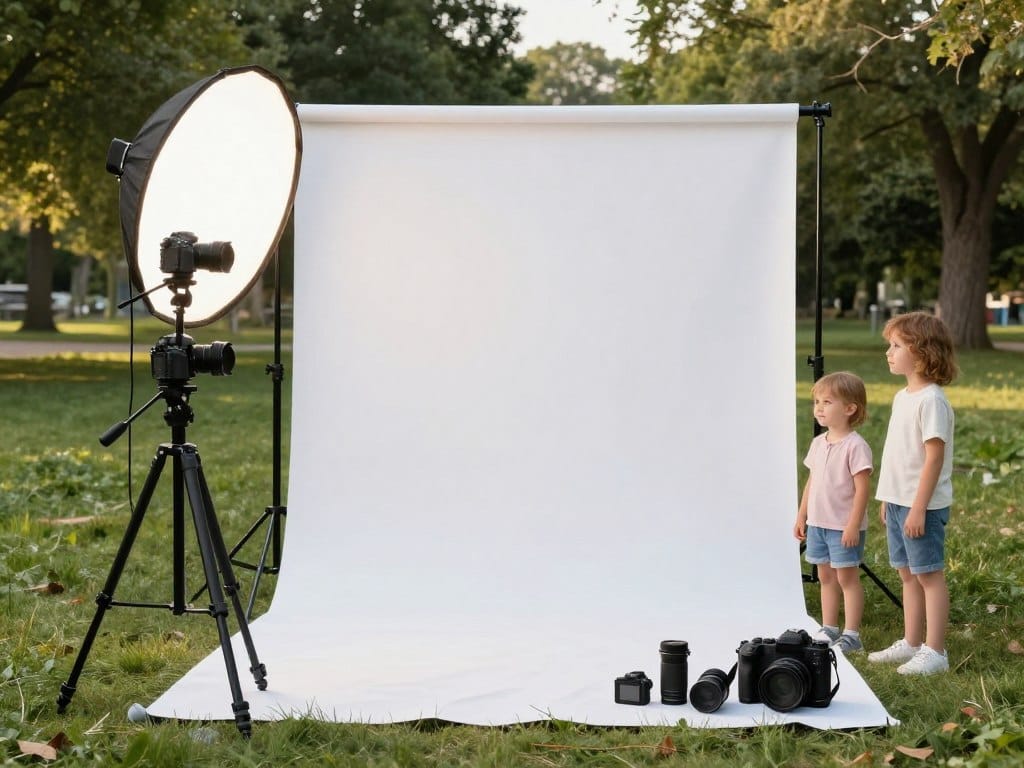
What Makes Mini Sessions Different From Full Sessions
The main difference comes down to time and focus. A full session gives you 60 to 90 minutes with a family. You capture multiple outfit changes, various poses, and different locations. There’s time for kids to warm up, for that shy teenager to relax, and for those candid moments between planned shots.
Mini sessions work differently. You get 15 to 30 minutes with each client. The goal stays simple—capture beautiful, professional photos quickly and efficiently.
Here’s what changes with a mini session approach. You choose one location instead of moving around. Clients typically wear one outfit rather than bringing three. The session time focuses on getting specific shots that work every time.
This focused approach actually helps families with young children. Little ones lose attention fast. A quick session catches them while they’re still smiling, before meltdowns happen.
The Business Case for Offering Mini Sessions
Let’s talk money for a moment. A full session might earn you $400 to $800, depending on your market. That sounds great until you factor in the time—shooting, editing, communicating back and forth with clients. You might spend 6 to 8 hours total on one full session.
Now picture this instead. You schedule six mini sessions on a Saturday morning. Each mini session pays $200. That’s $1,200 in one morning. The editing stays consistent because you shot in the same location with similar lighting. Your total time investment? Maybe 8 hours including editing.
The math works differently than traditional sessions. You make comparable money in less time. Plus, those mini session clients often become full session clients later. They got a taste of your work at a lower price point. They loved the photos. When their daughter graduates or they want extended family portraits, guess who they call?
Research from the Professional Photographers of America indicates that photographers offering mini sessions report 25-30% higher annual revenue compared to those offering only full sessions (Professional Photographers of America, 2023).
Planning Your Mini Session Photography Strategy

Choosing the Right Time and Season for Mini Sessions
Certain times throughout the year practically sell themselves for mini sessions. Fall ranks as the most popular season. Families want those gorgeous autumn photos with colorful leaves. The weather stays comfortable, and everyone looks great in sweaters and boots.
Spring mini sessions work beautifully too. Think cherry blossoms, wildflowers, and fresh green landscapes. Families love capturing their kids in lighter clothes after a long winter.
Don’t ignore other opportunities. Back-to-school mini sessions in late summer attract parents who want updated portraits. Holiday mini sessions in November fill up fast—families need those Christmas card photos. Even Valentine’s Day or Mother’s Day present chances for themed mini sessions.
The trick involves planning at least 6 to 8 weeks ahead. You need time to promote photography mini sessions properly. Send out emails. Post on social media. Give people time to mark their calendars and get excited.
Selecting and Preparing Your Session Location
Location matters more with mini sessions than full sessions. You can’t waste precious session time walking between spots. Choose one location that offers variety within a small area.
Look for these elements in a good mini session location. Natural light that stays consistent throughout the day. Multiple background options within a few steps—maybe a tree, an open field, and a textured wall. Easy parking so families arrive on time without stress.
Scout your location before booking clients. Visit at the same time of day you’ll shoot. Check the light. Notice any distractions in the background. Some photographers use the same location for years because it works perfectly for quick, beautiful photos.
Public parks work well but bring challenges. You might encounter other photographers or families having picnics. Private locations give you more control but may require permission or fees. Weigh these factors based on your specific area and style.
Creating Your Mini Session Pricing and Packages
Setting Session Fees That Work
Pricing mini sessions feels tricky at first. Too low and you devalue your work. Too high and people just book full sessions instead. The sweet spot typically falls between $150 and $350 per mini session.
Your local market determines exact pricing. Research what other photographers charge in your area. Position yourself competitively but don’t race to the bottom. Your time and expertise have value.
Consider what’s included in that session fee. Most photographers include a set number of edited digital images—usually 10 to 15 photos. Some offer print credits or discounts on additional images. The goal stays consistent—make the offer attractive while ensuring you profit from your time.
Digital Files and Print Products
The question of digital files versus prints sparks debate among photographers. Some prefer selling print packages to increase profit. Others find that families want digital files they can share and print themselves.
A middle approach works for many. Include a certain number of digital images in the session fee. Offer print packages as upgrades. This gives clients flexibility while creating additional revenue opportunities for you.
Make ordering simple. Use online galleries where clients can select their favorite images and purchase prints directly. The easier you make the process, the more likely families will buy additional products beyond their initial package.
Want more on the Photography Business? Visit https://photography-business-tips.com/
How to Promote Photography Mini Sessions Successfully

Building a Mini Session Landing Page That Converts
Your mini session landing page needs specific elements to convert browsers into bookers. Start with compelling photos from previous mini sessions. Show families what they’ll get—real examples speak louder than descriptions.
Include all essential information upfront. Date, time, location, pricing, what’s included, and how to book. Make people excited, then make booking ridiculously easy. A confused person never books.
Add urgency without being pushy. “Only 8 spots available” or “Early bird pricing ends Friday” motivates action. People procrastinate. Give them a reason to book now rather than later.
Your landing page should load quickly on mobile phones. Most people browse social media and book services from their phones these days. A slow or clunky mobile experience costs you bookings.
Mini Session Email Marketing Strategies
Email remains one of the most effective ways to promote mini sessions. Your past clients already know and trust you. They’re warm leads ready to book again.
Send your first email 6 to 8 weeks before mini session dates. This announcement email introduces the opportunity and opens booking. Include gorgeous photos, all the details, and a clear call to book.
Follow up with reminder emails. One at 4 weeks before. Another at 2 weeks before. A final “last chance” email a few days before you close bookings. Each email should look slightly different—new photos, different angles on the benefits, fresh reasons to book.
Segment your email list when possible. Past family portrait clients get priority. They’re most likely to book. Wedding clients might receive a modified version promoting mini sessions as anniversary or family photo opportunities.
Ready to Expand Your Photography Knowledge?
Explore our comprehensive photography categories covering everything from business strategies to technical tutorials. Find resources tailored to your specific photography niche and experience level.
Essential Photography Tips for Mini Sessions

Camera Settings and Equipment
The right camera settings make mini sessions flow smoothly. Time matters when you have multiple families booked back-to-back.
- Shoot in aperture priority mode around f/2.8 to f/4 for beautiful background blur while keeping families in focus
- Use continuous autofocus to track moving children and capture sharp images consistently
- Set ISO to auto with a maximum of 1600 to handle changing light conditions throughout the day
- Bring one versatile lens like a 50mm or 85mm prime to reduce gear changes and maintain efficiency
Posing and Direction
Quick posing strategies keep sessions moving without sacrificing quality photos. Simple direction works better than complex poses.
- Start with everyone standing together, then quickly move to seated poses for variety without wasting time
- Direct parents to interact with children naturally—tickle, whisper, walk together—instead of stiff formal poses
- Get individual shots of children first while they’re fresh, then finish with full family groupings
- Use the same 5 to 7 poses for every session to build speed and consistency in your workflow
Lighting Techniques
Consistent lighting simplifies editing and ensures every family gets gorgeous photos regardless of their time slot.
- Schedule all mini sessions during the same 3-hour window to maintain consistent natural light
- Position families with light coming from the side or behind for flattering, dimensional lighting
- Bring a reflector to fill shadows on faces, especially helpful for sessions with harsh midday sun
- Avoid dappled shade from trees which creates distracting spots of light on faces and clothing
Workflow Efficiency
Smart workflow strategies help you deliver images faster while maintaining quality that clients love.
- Create Lightroom presets for your mini session location to speed editing with one-click adjustments
- Batch edit all mini session photos at once rather than editing each family separately
- Shoot more than needed but deliver only the best 10 to 15 images per session as promised
- Schedule buffer time between sessions for clients running late without disrupting your entire day
Photography Studio Tips for Mini Session Success
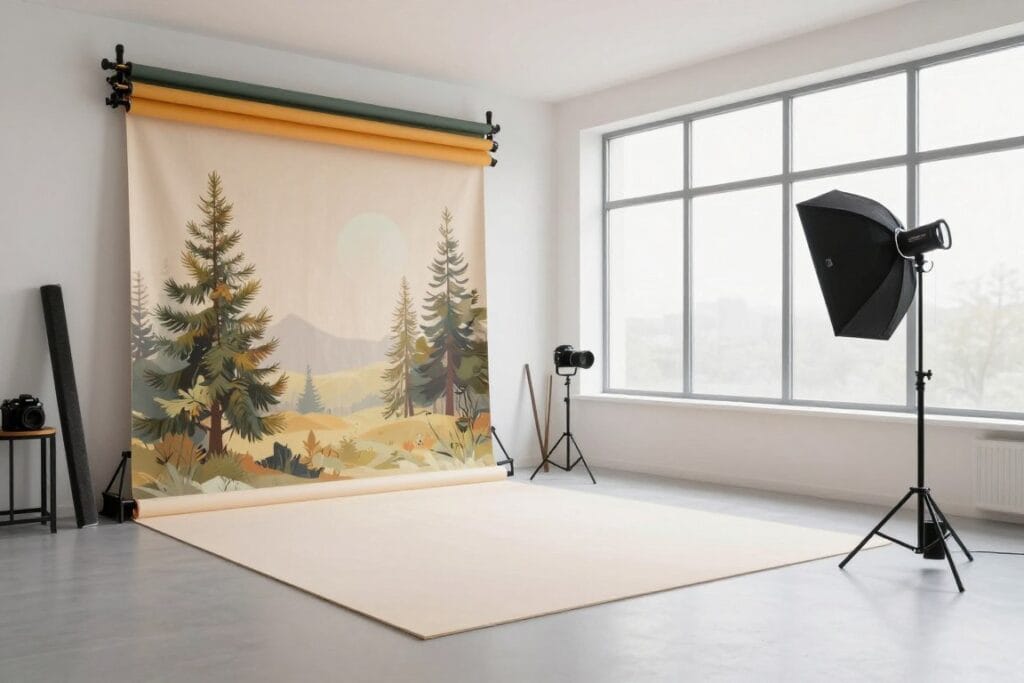
Setting Up Your Studio Space
Studio mini sessions offer weather-proof reliability and complete control. Your setup determines how smoothly sessions run.
Designate a specific area for mini sessions. This focused space stays set up, saving time between families. Choose simple backdrops that work for multiple families—neutral colors or subtle textures that don’t distract from faces.
Lighting consistency matters even more in studios. Set up your lights once and keep them in the same position for every session. This creates uniform results and speeds up editing dramatically. Many photographers use a simple two-light setup—one main light and one fill light.
Keep props minimal and versatile. A wooden stool, a simple chair, and maybe a textured blanket give you posing options without cluttering the space. Too many props slow you down and distract from your actual subjects.
Managing Client Flow
Schedule sessions 45 minutes apart, even though sessions only last 20 to 30 minutes. This buffer handles late arrivals and gives you time to reset between families. The extra breathing room reduces stress throughout the day.
Create a simple check-in process. Clients arrive, confirm their contact information, review their package details, and then start shooting. Keep paperwork minimal—ideally handled before the session day through email.
Communicate expectations clearly before clients arrive. Send a welcome email with parking information, what to wear, and when to arrive. Educated clients show up prepared, making your job easier.
Overcoming Common Mini Session Photography Challenges

Handling Difficult Situations
Children crying or refusing to cooperate happens. Stay calm and give families permission to relax. Sometimes the best strategy involves taking a quick break, letting the child explore, then trying again.
Late arrivals test your patience and schedule. Build that buffer time between sessions. If someone runs more than 10 minutes late, communicate that their session time may be shortened. Your next family deserves their full time too.
Weather cancellations for outdoor mini sessions require clear policies. Decide in advance how you’ll handle rain or extreme conditions. Some photographers offer rain dates, others reschedule individual families, and some move sessions to indoor backup locations.
Technical problems can derail your day. Always bring backup batteries, memory cards, and if possible, a backup camera body. Check all equipment the night before mini session days.
Creating an Unforgettable Client Experience
Communication Before, During, and After Sessions
Excellent communication turns one-time mini session clients into lifelong customers. Start with a warm confirmation email immediately after booking. Include all the details they need plus answers to common questions.
Send a reminder email three days before their session. Include a weather update for outdoor sessions, wardrobe suggestions, and encouragement to arrive a few minutes early. This email prevents no-shows and ensures families come prepared.
During the session, narrate what you’re doing. “I love this smile! That’s perfect! One more like that!” keeps energy high and families engaged. Your enthusiasm translates into genuine smiles.
After the session, deliver images within your promised timeframe. Most photographers commit to 1 to 2 weeks for mini session galleries. Fast delivery impresses clients and keeps momentum for additional sales.
Building Long-Term Client Relationships
Mini sessions introduce new families to your work. About 30 to 40 percent of these clients book full sessions within a year if you nurture the relationship properly.
Add mini session clients to your regular email list. They should receive your newsletter, seasonal promotions, and booking announcements. Stay top-of-mind without being pushy.
Offer returning client discounts on full sessions. “Because you loved your mini session, enjoy $100 off a full family session booked within 6 months.” This incentive converts satisfied mini session clients into full session bookings.
Request reviews and testimonials from happy clients. Social proof influences potential clients researching photographers. Make asking for reviews part of your post-session workflow.
Questions About Implementing Mini Sessions?
Every photography business faces unique challenges. Whether you’re pricing your first mini sessions or troubleshooting scheduling issues, sometimes you need personalized guidance.
Quick Posing Tip for Families with Young Children

The “snuggle and whisper” pose works magic with young children during mini sessions. Position parents sitting or kneeling at the child’s level. Ask them to pull the child close and whisper something silly in their ear—”You smell like pickles!” or “Your ears are made of marshmallows!”
This technique captures genuine smiles and laughter. Children respond to play, not commands to “smile.” Parents love these natural, joyful images more than stiff, forced grins. The pose looks different every time because the interaction stays authentic.
Simple substitutions work for different family compositions. With teenagers, try “tell each other your favorite memory from this year.” With couples, “whisper what you love most about each other.” The concept stays the same—create genuine connection, capture real emotion.
Frequently Asked Questions About Mini Session Photography
How long should a mini session actually last?
Most mini sessions run between 15 and 30 minutes of actual shooting time. This provides enough time to capture 10 to 15 quality images without rushing or overwhelming young children. Schedule 45-minute time blocks to accommodate check-in, the session itself, and buffer time for clients running late. Shorter sessions keep children engaged and energy levels high, resulting in better photos than longer sessions where kids lose interest.
What’s the ideal number of mini sessions to book in one day?
Six to eight mini sessions represents the sweet spot for most photographers. This number maximizes income while maintaining energy and creativity throughout the day. Booking more than eight sessions often leads to photographer burnout and declining photo quality as the day progresses. Start with four to six sessions when you’re new to the mini session format, then increase as you develop efficient workflows and build stamina.
Should I offer mini sessions year-round or only seasonally?
Seasonal mini sessions typically generate more excitement and urgency than year-round offerings. Fall and spring remain the most popular seasons, with holiday mini sessions filling quickly in November. Offering mini sessions 4 to 6 times per year creates anticipation and drives faster bookings than constant availability. However, some photographers successfully offer quarterly mini session days to maintain consistent income throughout the year while preserving the limited-time appeal.
How many edited photos should I deliver from a mini session?
Ten to fifteen fully edited digital images represents industry standard for mini sessions. This number provides variety for clients while keeping editing time manageable for photographers. Delivering fewer than ten images may disappoint clients, while offering more than fifteen reduces the value perception of full sessions. Clearly communicate the exact number in your marketing materials and contracts to set proper expectations before booking.
Can mini sessions actually lead to full session bookings?
Research shows approximately 30 to 40 percent of satisfied mini session clients book full sessions within twelve months. Mini sessions function as low-risk introductions to your photography style and professionalism. Clients experience your process, receive beautiful photos, and build trust in your abilities. Follow up with these clients through regular email marketing and offer returning client incentives to convert them into full session bookings for extended family portraits, milestone celebrations, or annual family photos.
What happens if clients run late to their mini session?
Establish a clear late arrival policy before booking opens. Most photographers allow a 10-minute grace period, after which the session time may be shortened to avoid impacting subsequent bookings. Communicate this policy in your confirmation email and reminder messages. Some photographers charge fees for significant lateness, while others offer to reschedule late arrivals to the end of the day if slots remain available. Consistency in enforcing your policy maintains fairness for all clients.
How do I price mini sessions without devaluing full sessions?
Price mini sessions at roughly one-third to one-half the cost of full sessions to maintain clear value distinction. If full sessions cost 0, price mini sessions between 0 and 0. Emphasize different benefits—mini sessions offer convenience and affordability, while full sessions provide extended time, more images, multiple locations, and outfit changes. This tiered approach attracts budget-conscious clients to minis while preserving the premium positioning of full session offerings for clients wanting comprehensive coverage.
Should I include prints with mini sessions or only digital files?
Most photographers include digital files with mini sessions for simplicity and client preference. Modern families want to share photos immediately on social media and print selectively through personal vendors. However, offering optional print packages as upgrades creates additional revenue opportunities. Consider including digital files in the base mini session price, then marketing beautiful print products through post-session galleries. This approach satisfies client expectations while maintaining profit potential through print sales.
Exploring Different Photography Specialties
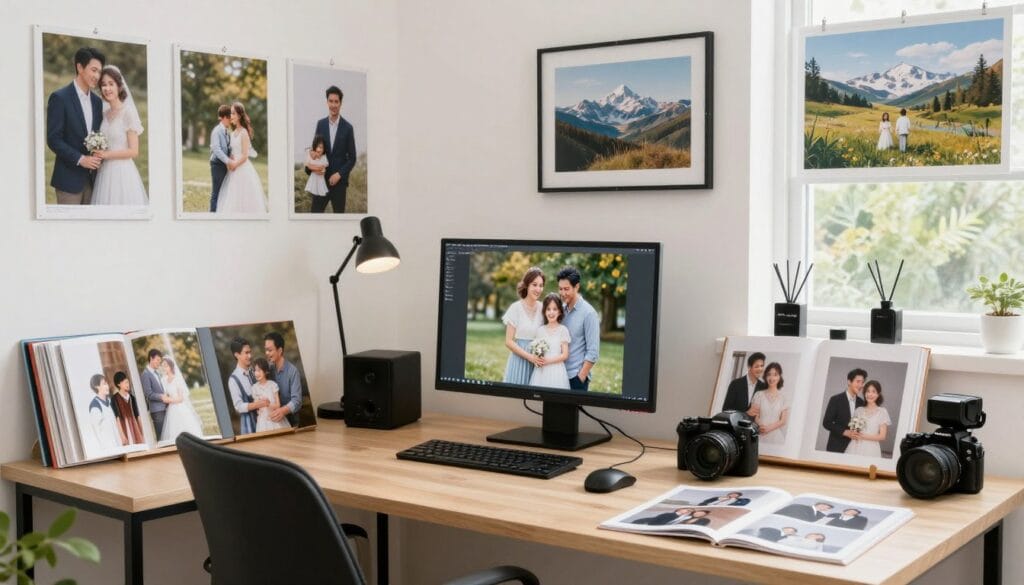
Mini sessions represent just one strategy within the broader photography business landscape. Exploring various photography categories helps you diversify income, attract different client types, and discover new creative passions throughout the year.
Some photographers combine mini sessions with other specialties. You might offer family mini sessions in fall, newborn sessions in winter, and commercial headshot days in spring. This variety prevents burnout while keeping your calendar full.
The photography business website offers resources across multiple categories—from technical skills to marketing strategies to client management systems. Whether you’re interested in wedding photography, commercial work, or specialized portrait niches, exploring these resources helps you build a sustainable, profitable photography business that adapts to changing markets and personal goals.
Different photography specialties require different business models. What works for mini sessions may not work for wedding photography or commercial projects. Learning from photographers across various niches expands your strategic thinking and helps you make informed decisions about your own business direction.
Moving Forward with Mini Session Photography

Mini session photography transforms the feast-or-famine cycle that plagues many photographers. These focused, efficient sessions fill calendar gaps, generate consistent income, and introduce new clients to your work. The strategy isn’t complicated—choose good locations, market effectively, deliver excellent experiences, and watch your business grow.
Start small if the idea feels overwhelming. Book four mini sessions your first time out. Learn what works, adjust your approach, and expand from there. Every successful mini session photographer started with that first nervous day, wondering if anyone would actually book.
The families you photograph during mini sessions often become your most loyal clients. They experience your professionalism, fall in love with your photos, and return for full sessions when big moments arrive. Mini sessions aren’t just a quick money grab—they’re relationship builders that strengthen your entire photography business.
Your calendar doesn’t have to stay empty. Those anxious gaps between bookings can transform into fully scheduled days that generate income while showcasing your talent to new families. Mini session photography offers a proven path forward, tested by thousands of photographers who now enjoy steadier income and fuller calendars year-round.
Take that first step. Choose a date, pick a location, and promote photography mini sessions to your audience. You might surprise yourself with how quickly those spots fill and how much fun these condensed sessions become. The photographer community keeps growing, and mini sessions give you a sustainable way to thrive within it.
References
- Professional Photographers of America, 2023
- Becca Sue Photography
- Kelley Hoagland Photography
- Jessica Merithew Photography
Stay focused,
Ray Baker
Struggling to get consistent photography clients?
Get More Photography Clients