By Ray Baker
Plenty of photographers can make a sharp image, but galleries and serious collectors ignore most of them, which is a key lesson in how to become a fine art photographer. If you are trying to work out how to become a fine art photographer, the gap is usually not your camera; it is the difference between taking a nice photo and building a body of work that has a clear idea behind it. You also need the business paperwork most photography courses never cover, from releases to licensing terms.
How to Become a Fine Art Photographer
Start by treating the work like an art practice, not a client job. Build a cohesive series, write an artist statement, research your market, then register copyright on finished collections. Pitch galleries, interior designers and print buyers with a portfolio that shows a consistent point of view rather than a folder of unrelated images.
Key takeaways
- Fine art buyers respond to a consistent concept or series, not scattered favourites.
- Market research helps you find customers for your business [1].
- Copyright protection is automatic, but you will have to register if you wish to bring a lawsuit for infringement of a U.S. work [2].
- Start with an artist statement and a small finished series you can show and sell.
- Pricing and licensing paperwork matter as much as the image itself.
Want a pricing plan that holds up? The eBook's plain-English pricing and licensing sections help you name your first print price with confidence.
See pricing helpDo I need a degree to become a fine art photographer?
No. A degree can help, especially if you want the darkroom time, critiques and art history context, but plenty of fine art photographers build a career through assisting, short courses and self-directed work, and understanding how to become a fine art photographer often comes down to that mix of formal and hands-on learning. The National Careers Service lists getting into photography through a university course, a college course, an apprenticeship, or working towards this role [3]. It also says it is normal to specialise in one kind of photography, like fashion, advertising, wildlife or photojournalism [3]. A Photographer Level 4 Higher Apprenticeship takes around 1 year and 6 months and is a mix of training in the workplace and off-the-job study [3]. What matters most is that the work hangs together. A degree will not fix a scattered portfolio.
What should go into a fine art portfolio?
Your portfolio is the thing most buyers and curators will judge first, so treat it as a working document, not a photo dump. A fine art portfolio usually needs one or two tight series with a shared theme, a short artist statement, and consistent presentation. Write the statement before you edit the images if you can, because it forces you to name the idea. The National Careers Service says you’ll need a portfolio of your work to show your skills, interests and experience in photography, and it will also help you to get noticed if you post examples of your work online [3]. Prospects includes fine art as a photography specialism and notes that to succeed in this competitive field, you’ll need a strong portfolio and professional network [4]. I would rather show six prints from one coherent body of work than twenty unrelated images that prove I can use a camera. If your current portfolio feels like a collection of greatest hits, this portfolio building guide will help you turn practice shoots into something a curator can actually follow.
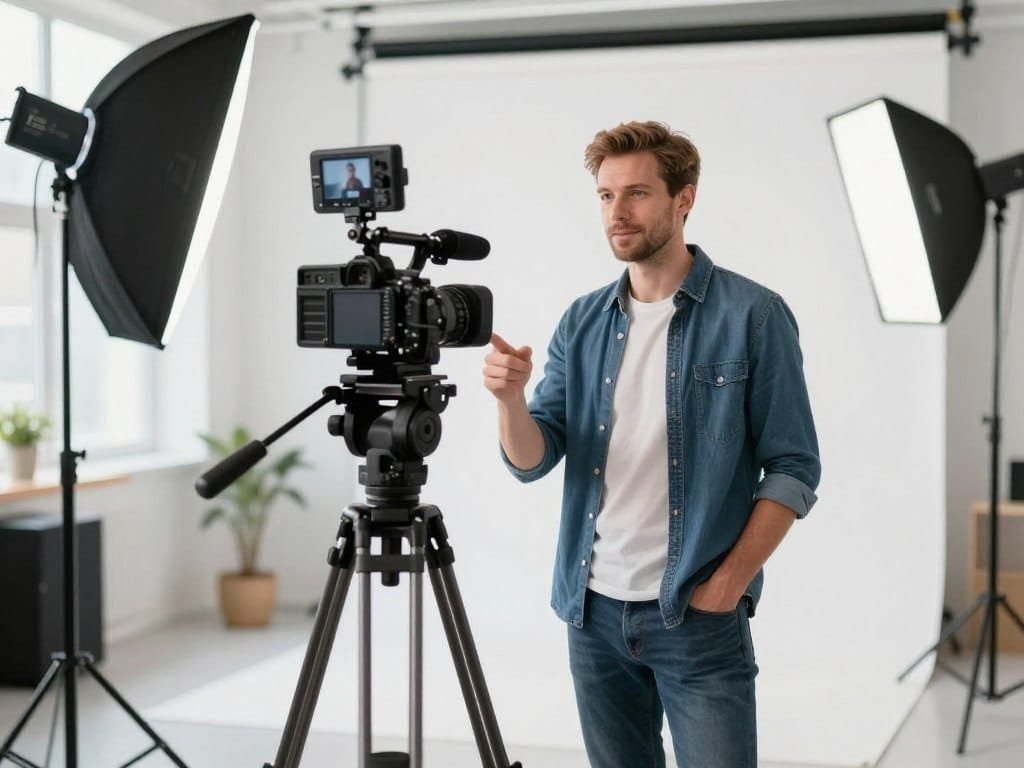
Not sure what editions to sell? The eBook walks through setting up sellable fine art collections without guessing at terms.
Read the fine art chapterHow do I price and license fine art work?
Pricing is where a lot of fine art photographers trip over themselves. There is no single correct number, but there are better questions. Are you selling an open-edition print, a limited edition, or a licence for someone else to use the image? Does the price include framing and shipping? What rights are you giving up? Many in the field underprice because they confuse the cost of paper and ink with the value of the edition and the time it took to build the series. I favour smaller editions, because they are easier to track and explain. Start with an edition size you can commit to, write out your costs in a simple spreadsheet, and check what comparable local galleries and online print shops charge. Then put the terms in writing before you hand over a file. For fine art, a release is often not required for pure editorial or gallery use, but if the image is used commercially or includes a recognisable face or private property, a signed release keeps the sale clean. If the word licence makes you nervous, that is exactly the kind of practical gap to sort before a buyer asks for it. This guide to selling photography services walks through the client-facing side without the jargon.
Five easy ways to start selling prints
- Research real demand first. The U.S. Small Business Administration says market research helps you find customers for your business and blends consumer behavior and economic trends to confirm and improve your business idea [1]. Use that before you print a big run.
- Build one small series, not a random set. A consistent series gives buyers a reason to collect multiple images and makes the work easier to describe.
- Create a simple print edition. Number and sign each print, and record the edition size in a spreadsheet. This helps you keep track of scarcity and value.
- Show the work where buyers already look. It will help you to get noticed if you post examples of your work online [3], and send a small printed lookbook to local interior designers and shops you have researched.
- Register copyright before you share high-resolution files. You may register up to 10 unpublished works on the same application [5], and registered works may be eligible for statutory damages and attorney’s fees in successful litigation [2].
None of these steps guarantees a sale, but together they turn a hobby into something a buyer can safely purchase.
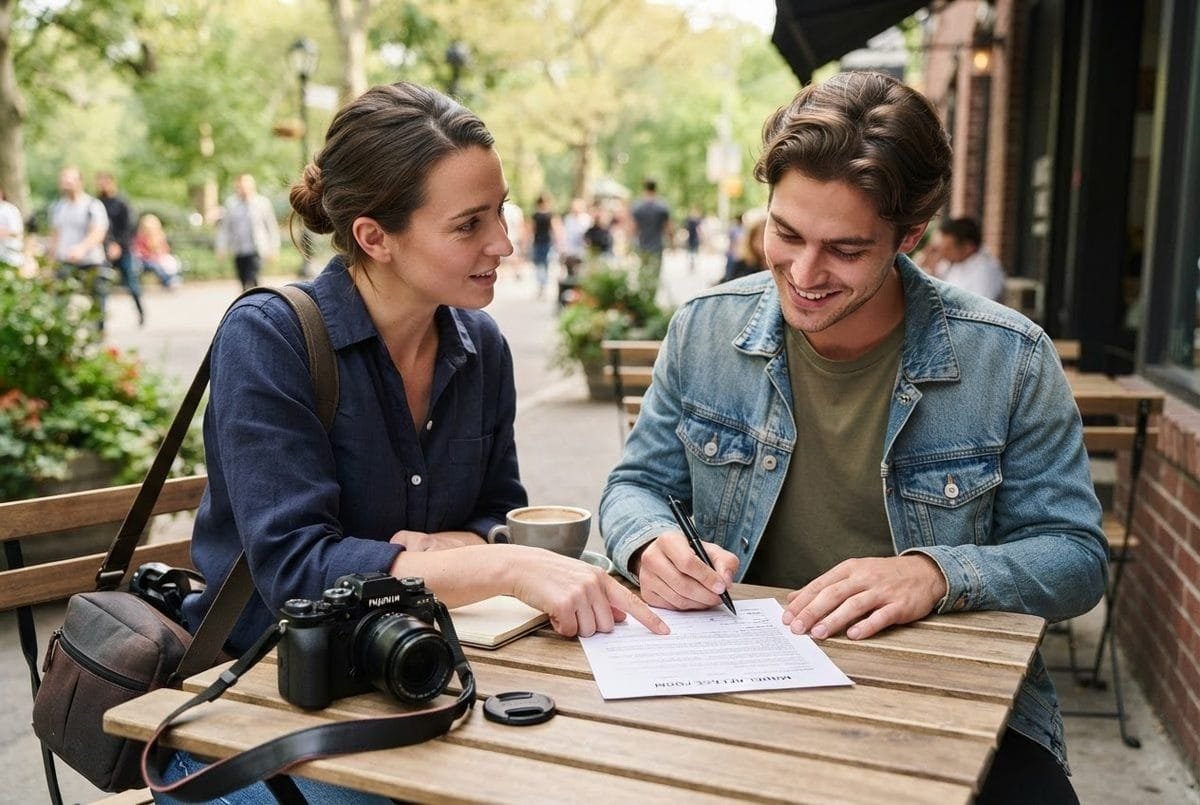
Worried about licensing mistakes? Plain-English licensing and release advice helps you protect every sale and keep the rights you intend.
Get the licensing guideWhat paperwork protects fine art photographers?
Copyright exists from the moment the work is created and fixed in a tangible form, and you do not have to register to be protected [2]. But registration matters if you ever need to enforce your rights. The U.S. Copyright Office says registration is voluntary, but you will have to register if you wish to bring a lawsuit for infringement of a U.S. work, and registered works may be eligible for statutory damages and attorney’s fees in successful litigation [2]. There is no poor man’s copyright substitute; sending a copy to yourself has no provision in copyright law [2]. You may register up to 10 unpublished works on the same application, but the Standard Application may not be used to register a collection of unpublished works; if you submit 2 or more works on it, the Copyright Office may register only 1 and remove the remaining works from the claim [5]. This is not the fun part of fine art, but it is the part that can save you a very bad week later.
Where the eBook fits
You can read every gallery submission guide and still lose money at the paperwork stage. These practitioners often know how to print, frame and edit, but the bigger headache is pricing an edition, writing a licence, getting a signed release for a person or property, and answering a client email without underpricing. My Profitable Photography eBook is a plain-English guide to getting clients, pricing, licensing and releases for a photography business. It is not a replacement for your creative work; it is a bridge between the images and the repeatable business side. If you want to stop guessing what to charge and what rights you are handing over, the eBook is the calmest place to start.
Related reading
- Portfolio Building for Photographers: Turn Practice Shoots Into Sellable Proof: Useful next step for turning practice shoots into a sellable fine art portfolio.
- How to Start Selling Photography Services: Practical guide to the client-facing sales side mentioned in the pricing section.
Frequently asked questions
Do I need a gallery to become a fine art photographer?
No. Many of them start with direct sales through their own website, local shops, interior designers and online print platforms. A gallery can help later, but it should not be your only plan.
What camera do I need for fine art photography?
The camera matters less than the concept. Many successful fine art series are made with an older DSLR or a film camera. Buy the tool that fits your working style, then spend more time on the series and prints.
How do I write an artist statement?
Write three short paragraphs: what the series is about, why you made it, and how you made it. Keep it under 200 words and avoid jargon. Update it as the work changes.
Should I register copyright before posting images online?
You are automatically protected when the work is created, but registration is needed to sue for infringement in the U.S. [2]. Many such artists register finished series before sharing high-resolution files.
Can I make a living as a fine art photographer?
It often takes several income streams: print sales, licensing, commissions, teaching and grants. Treat it as a small business from day one, and track every cost and sale so you know what is working.
Honest take
Honest take: the biggest mistake I see is photographers who want to figure out how to become a fine art photographer by chasing trends instead of building a point of view. Fine art rewards patience and a clear series, not speed. If you are not ready to write about your work and handle licensing and releases, start there before you spend more on gear.
References
- U.S. Small Business Administration. Plan your business. https://www.sba.gov/counseling/plan-your-business/#business-plan
- U.S. Copyright Office. Copyright in General (FAQ). https://www.copyright.gov/help/faq/faq-general.html
- National Careers Service. Photographer. https://nationalcareers.service.gov.uk/job-profiles/photographer
- Prospects.ac.uk. Photographer job profile. https://www.prospects.ac.uk/job-profiles/photographer/
- U.S. Copyright Office. Register Your Work: Registration Portal. https://www.copyright.gov/registration/
Shoot well and follow up faster,
Ray Baker