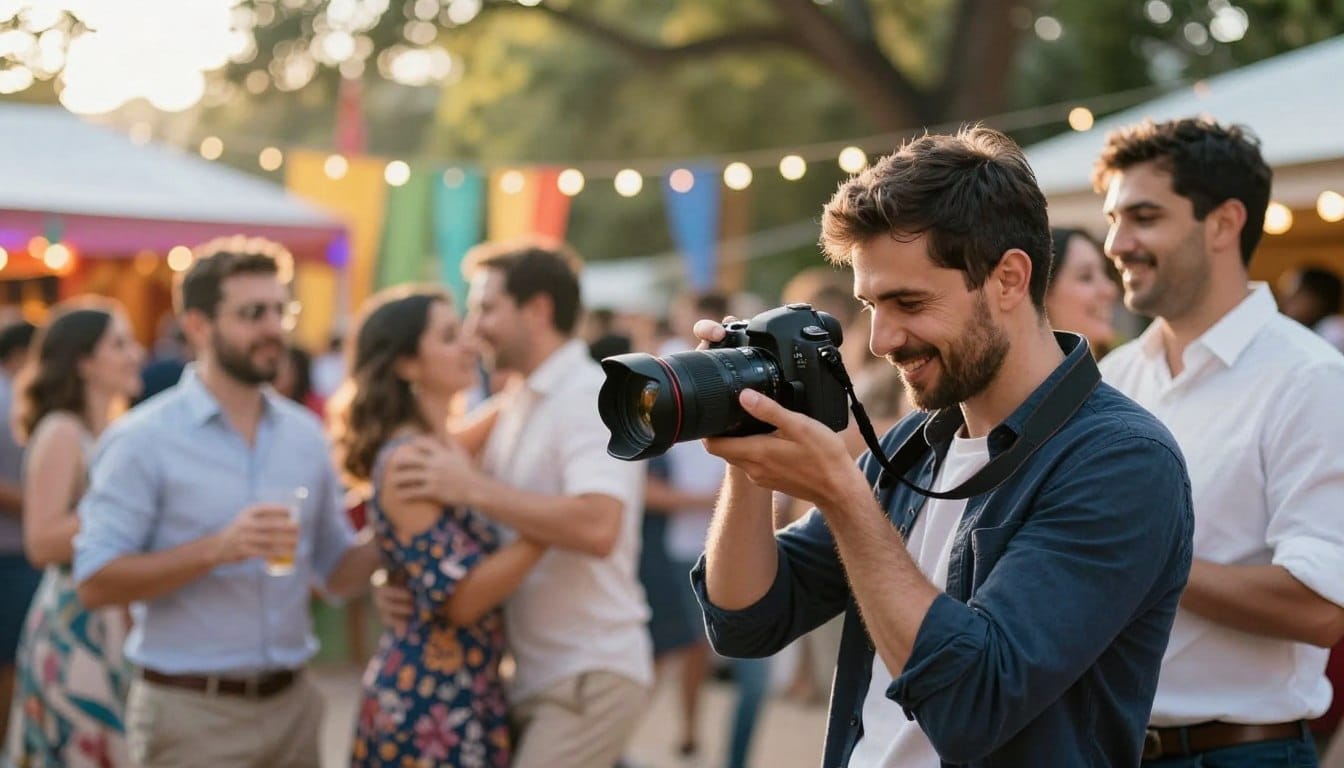
Have you ever found yourself in a dimly lit venue, feeling the pressure of capturing a moment that could slip away in an instant? Many newcomers to this craft face the daunting challenge of snapping clear images in less-than-ideal lighting. The anxiety of knowing there are no second chances can be overwhelming.
In these situations, it’s easy to feel lost, especially when the action unfolds quickly. You might be adjusting your camera settings while the crowd buzzes around you, leaving you wondering how to get the perfect shot. But fear not! This guide is designed to transform your panic into confidence.
By understanding your gear and learning how to manage your workflow, you can focus on what truly matters—the people and moments that make each occasion special. If you’re ready to take the plunge and start shooting with assurance, click the link below to explore our professional training.
Understanding the Challenges of Event Photography
Navigating the complexities of capturing fleeting moments can be daunting, especially in dimly lit spaces. Each occasion presents unique challenges, from low-light conference halls to fast-paced award ceremonies. In these situations, remaining invisible to guests while getting the perfect shot is essential.
The very lighting that creates a cool and moody atmosphere can complicate your camera’s ability to capture clear images. As an event photographer, you must learn to anticipate the flow of the room. This skill ensures you are in the right place at the right time, ready to seize those special moments.
Mastering this craft is not solely about having the right gear. It’s also about understanding the environment and the people you document throughout the day. Accepting an event photography gig means embracing the responsibility of capturing the organizer’s vision without any room for error.
| Challenge | Description | Solution |
|---|---|---|
| Low Light | Dim venues make it hard to capture clear images. | Use fast lenses and higher ISO settings. |
| Fast Pace | Events can change quickly, requiring swift adjustments. | Practice anticipating key moments. |
| Visibility | Photographers must blend in without disrupting. | Learn to position yourself discreetly. |
Essential Gear Knowledge and Preparation
Understanding your gear is crucial in the world of event photography. Selecting the right lenses and camera bodies can significantly impact your results. High-quality lenses often hold their value longer than camera bodies, making them a wise investment. Prioritize these purchases to enhance your shooting experience.
In my early days, I used a 5D Classic camera with only one memory card slot. This limitation made data security a constant concern. Always ensure your memory cards are fast enough to handle the high-speed shooting that busy occasions demand. Carrying spare batteries is equally important to avoid interruptions.
Familiarity with your equipment is vital. You need to adjust settings intuitively, especially when lighting conditions change unexpectedly. Investing in a reliable lens kit allows you to capture sharp images, even in challenging environments.
For more insights on capturing stunning moments, check out this guide.
Mastering Camera Settings for Dynamic Events
Capturing moments in low-light conditions can feel like a race against time. Understanding how to adjust your camera settings is essential for success. Key elements include aperture, ISO, and shutter speed. These settings work together to ensure you get the best shots, even in challenging environments.
Aperture, ISO, and Shutter Speed Explained
Using a wide aperture like f/2.8 allows more light to hit your sensor, which is crucial when shooting in dim spaces. Modern cameras can handle high ISO settings up to 6400, enabling you to capture sharp images without too much noise.
When bouncing your flash off a ceiling isn’t an option, consider using a diffuser or bounce card from the Godox AK-R1 kit. This helps soften the light, making your images look more natural.
Always match your flash color temperature to the ambient lighting in the room. This ensures your photos appear warm and inviting, rather than harsh or clinical.
Mastering your shutter speed is vital. A good rule is to keep your speed at least equivalent to your focal length to avoid shake.
Using Flash and Diffusers for Soft, Natural Lighting
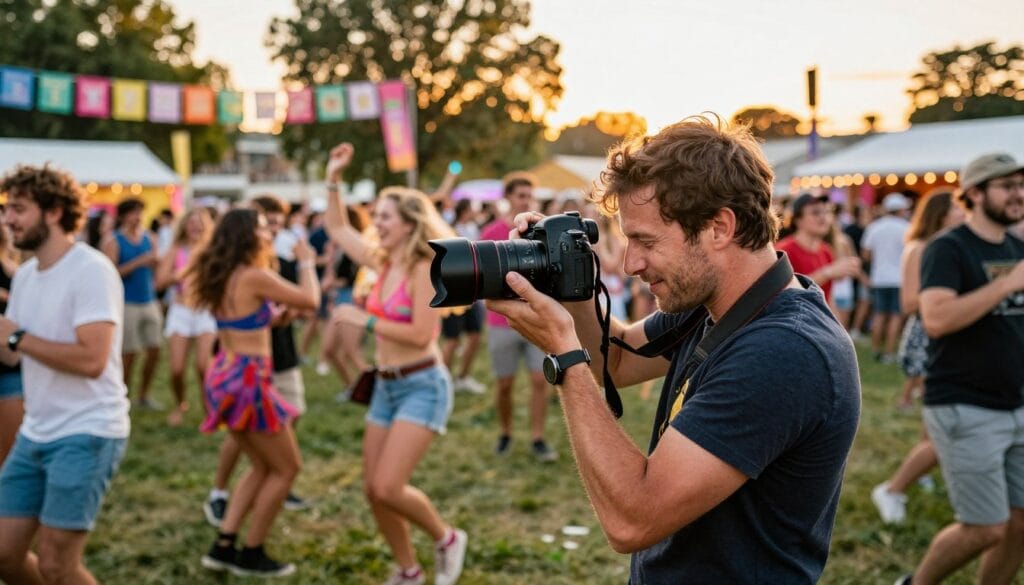
The Godox V1 flash paired with the magnetic AK-R1 round head accessory kit is ideal for softening harsh light in low-light venues. This combination allows you to create a more pleasing atmosphere in your shots.
Quick Fix Tips: Starting with Problem and Quick Resolution
When capturing moments, quick adjustments can make all the difference in the outcome of your images. Here are some effective solutions to common challenges faced by photographers:
- If your photos appear blurry, increase your shutter speed or use a tripod to stabilize your camera.
- In low-light situations, ensure you are shooting in RAW format. This allows you to recover details during post-production.
- Struggling to get people to smile? Offer a genuine smile yourself; it’s a natural way to encourage them to reciprocate.
- Arrive early to capture static detail shots before guests arrive. This helps you get into the right mindset.
- Always shoot with intention. Focus on capturing moments that tell a story rather than taking random shots.
event photography tips for beginners: Practical Strategies in the Field
Being an effective photographer means immersing yourself in the action. You can’t just stand back and expect to capture the best moments. To truly excel, you must engage with the crowd and the environment.
When moving through guests, always be polite. Ask to squeeze past rather than barging through. This simple courtesy can make a significant difference in how guests perceive you.
If you’re collaborating with a videographer, communicate with them ahead of time. Understanding their needs helps you avoid blocking their shots, ensuring a smoother experience for everyone involved.
Comfort is key! Wear shoes that support you well. During a long day, you might walk over 13km while switching between multiple stages. Staying comfortable helps you focus on your job.
Lastly, always be aware of your surroundings. Make sure you’re not obstructing guests’ views as they enjoy the occasion. Being mindful of your impact is crucial.
| Strategy | Description | Benefits |
|---|---|---|
| Engagement | Get involved in the action. | Better shots and connections. |
| Politeness | Ask to move through crowds. | Creates a positive atmosphere. |
| Communication | Talk to videographers. | Avoids blocking their frames. |
| Comfortable Footwear | Wear supportive shoes. | Enhances mobility and focus. |
| Awareness | Be mindful of surroundings. | Respects guests’ experience. |
Maximizing Lighting Techniques for Better Results
Lighting can make or break your shots. Mastering how to manage it effectively is essential for capturing stunning images. This is especially true in settings where low light prevails. Balancing your flash output with ambient light is crucial. Doing so prevents your photos from appearing flat and unappealing.
If you find yourself in a venue with dark walls, be prepared to adjust your settings. These walls absorb your flash, making it harder to illuminate your subjects. Look for practical light sources, like stage lights or lamps, that can add depth to your images.
When shooting in challenging conditions, remember your goal is to capture the event’s atmosphere. Practicing your lighting techniques in various environments will help you react quickly to changes in light during a live presentation or performance.
- Balance flash output with ambient light for dynamic results.
- Adjust settings to compensate for dark walls absorbing flash.
- Utilize available light sources to enhance depth in photos.
- Focus on capturing the atmosphere as intended.
- Practice in different environments to build confidence.
Building Your Portfolio Through Engagement and Storytelling
Every shot you take has the potential to tell a story, making it essential to engage with your subjects. With over 12 years of professional experience, I still incorporate personal work into my portfolio to keep my creative skills sharp.
You don’t need to wait for a paid gig to build your portfolio. Here are some practical ways to gain experience:
- Practice by shooting birthday parties or local community events.
- Volunteer for a non-profit organization you believe in, gaining experience while supporting a good cause.
- Aim to tell a story with your images by capturing a mix of establishing shots, detail shots, and candid interactions.
- Maintain relationships with your clients, as this is just as important as the quality of your photos.
- Use a mailing service to stay in touch with clients after the job is done, ensuring they remember you for future occasions.
Navigating Event Etiquette and Respectful Shooting
Understanding the unspoken rules of capturing moments is vital for any photographer. Respecting the privacy of guests is crucial. Avoid taking photos of people while they are eating, as this is rarely a flattering moment for anyone.
If an exhibitor or guest requests that you not photograph their product or themselves, always grant their wish immediately. This approach helps avoid unnecessary disputes and fosters a positive atmosphere.
Dressing appropriately for the occasion is another key aspect. You want to blend in with the crowd rather than standing out in clothing that is too casual or formal. This helps you remain unobtrusive while doing your job.
Always fulfill your promises to the organizers. Whether that means delivering photos by a certain date or blogging about the event afterward, keeping your word builds trust.
Lastly, being courteous to staff and other professionals will help you establish a reputation as a photographer who is easy to work with. This can lead to more opportunities in the future.
Leveraging Post-Production and Editing for Professional Quality
Post-production is where the magic happens, transforming raw captures into stunning visuals. As a photographer, it’s essential to focus on quality over quantity. I often find myself trashing over 70% of the photos I take at an event. This ensures that clients only see the best work.
Here are some effective strategies to enhance your editing process:
- Cull your images meticulously to avoid overwhelming clients with repetitive or out-of-focus shots.
- Implement a rating system, like a 5-star scale, to organize photos while memories are fresh.
- Automate your editing by applying custom presets to similar photos, speeding up delivery.
- Curate a selection that tells the complete story of the event, rather than delivering every shot.
- Allow a buffer in your delivery timeline to under-promise and over-deliver to clients.
Wrap-Up: Final Insights for Successful Event Photography
Every successful photographer knows that mastering their craft is a journey filled with learning and growth. Remember that this skill improves with practice, so don’t feel discouraged if your initial experiences seem overwhelming.
Always prepare a list of required shots before you arrive. However, stay flexible enough to capture the spontaneous moments that truly make a gathering special. Building strong relationships with organizers and guests is key to getting invited back and expanding your professional network.
By mastering your gear, understanding lighting, and maintaining a professional attitude, you can capture stunning images without panic. Thank you for reading these insights. I hope you feel more confident in your ability to document any occasion you are commissioned to shoot.
Disclaimer: This guide is for informational purposes only and does not constitute professional legal or business advice for your photography practice.
FAQ
What equipment do I need for event photography?
How can I manage low light situations effectively?
What are some tips for capturing candid moments?
How do I choose the right camera settings for different situations?
What is the importance of storytelling in event photography?
How can I ensure I don’t miss important moments during an event?
What are some common mistakes to avoid in event photography?
How can I improve my post-production editing skills?
Struggling to get consistent photography clients?
Get More Photography Clients