
Creative Holiday Photos

Holiday Photography
Holiday Photography

Around the world there are millions of photo albums filled with holiday snap shots of children opening gifts, relatives seated around a table or living room and even some outdoor images. While these are treasured memories, they can become the “same old thing” year after year.

How do you capture creative holiday photos? There are many unique opportunities during the days and weeks leading up to the actual day (or days) of celebration, and these make for some excellent images.

Read more

Macro Photography Equipment Tips

Macro lens and camera

What is macro photography? Macro photography is the art of taking close-ups of small things and the subjects tend to become larger than life. It is the opposite of micro photography and often the subjects are things like a water droplet on the petal of a flower or a line of ladybirds as they go about their daily business.

Read more

How to Get Photoshop Joy

Kiwi Mouse Photo by hongkiat.com

Many amateur and professional photographers have discovered the almost limitless potential of Photoshop software – they can change textures, apply all kinds of artful filters, make additions or corrections to photographs, and even combine unlikely images into a single image. One area where Photoshop becomes an incredibly useful tool is in portrait photography.

For example, most professional photographers are now capturing all of their images in the RAW format because of its functionality in the Photoshop program. The larger file size captures a broader range of color and makes for a much better, less “noisier” print. The traditional JPG format that most people use for their photographs asks for certain camera settings and may eliminate a great deal of the control that photographers want when taking professional and portrait images.

Read more

Mastering Composition

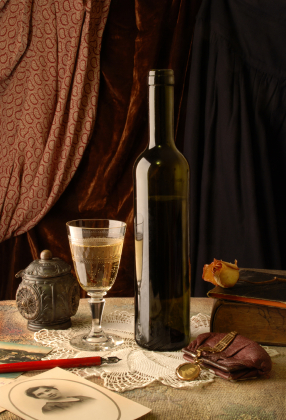
Wine in centered amongst diverse contrast
Wine centered amongst diverse contrast creating a swish affect

A photographer controls the composition of the photograph they are taking by deciding exactly what will be included in the photograph and what will not.  The photographer chooses a subject to shoot and makes decisions such as where to place the subject, as well as what to include in the background and the foreground of the photo.  Many quick, almost subconscious, decisions go into creating a photograph and composing something that catches the eye, captures the moment and draws the viewer into the scene once the photograph is printed.  This skill for most is developed over time.

Read more

Understanding Exposure will help you get Quality Pictures

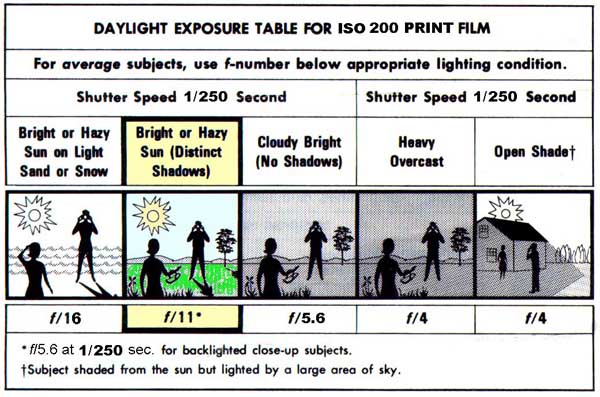
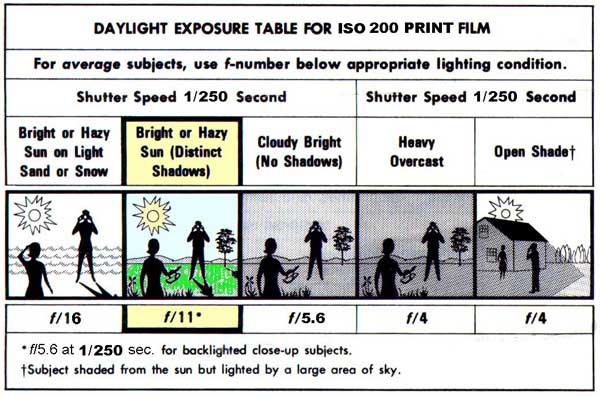
Daylight exposure table by photo.net

Taking good pictures is a great way to be able to share your experiences with other people and make a living. Time marches on very quickly, and those pictures are a great way to look back over what has occurred or indeed, help recommend a photographer. Many people are disappointed though at some of the pictures. They didn’t turn out the best.

This can be due to:

– Not enough exposure

– Too much exposure

– Double exposure

Read more

Tips for Getting Your Backgrounds Right in Photographs

shooting backgrounds

The first thing to remember about the background of any photograph is that it is indeed the background and ‘not the subject’. This means that the power of this part of the scene must be to a much lesser degree than the primary focus. While there is no easy tip or trick for knowing if you have allowed the background to overwhelm or distract from the subject, simply remembering that it isn’t to be any kind of competition to the attention of the viewer, is a good start.

Read more

Photographer’s Secret Weapon – Vaseline

Vaseline effect #1 - Eva Polak

Quick note from Ray – Photography tips and tricks are welcomed here and if you feel you have something to offer other photographers, feel welcome to visit this page for the guidelines. Now on with this amazing tip….,

Vaseline does wonders, not only for your skin, but can also help you to create impressionist masterpieces. You can transform just about any subject into something interesting and exciting. If you like the soft, poetic look in your photographs this simple technique is for you.

Read more

Photography Tips using Natural Light

photograph-using-side-lighting.jpgUsing natural lighting for your photography is a handy technique. Apart from the fantastic photos you can produce, you don’t have to drag around a lot of equipment. But it does make you a slave to any available light.

Avoid the Light at High Noon

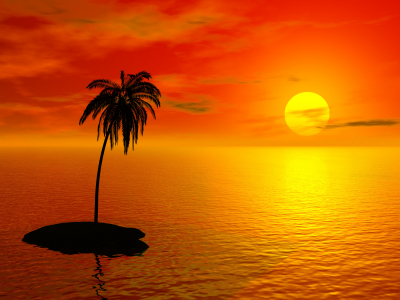
All photographers know to avoid shooting in full, natural sunlight at midday. It is the worst type of light of the day. It is unforgiving. If you have to take photos at this time of day find some shade for the best results.

There are situations where this will work well for you. If you are taking photos in a naturally dark area (e.g. in a forested parkland area) this can work in your favour when your subject is in high contrast with the environment.

The best times of the day for photography are early morning or late afternoon. The harshness of the midday sun will give you hard shadows whereas early or late afternoon light will soften them.

Read more

High Dynamic Range Images Redistributes your Light

high dynamic range photoThe newest technology revolutionizing SLR digital photography techniques is high dynamic range images (HDR or HDRI). Think about some of the shots you take when you are out and about with your digital camera.

How often do you think you have that great shot of your dogs running along a beach? You take a look at it on your screen and you are excited it looks great. But, when you download the image it does not have the depth of feel you saw when you took it. A digital image cannot capture the full range of light of the subject. You usually get something less than you expect. But this is true of any camera.

Read more