
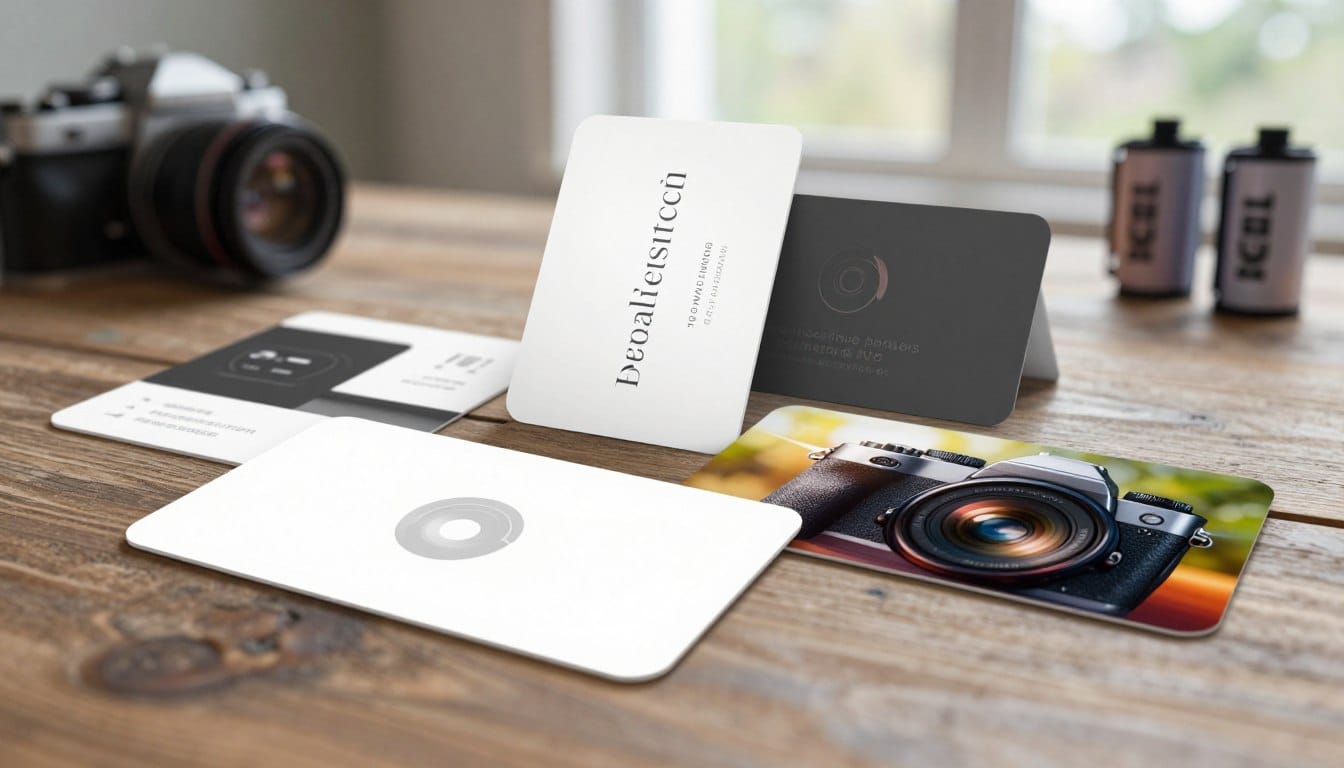
In the competitive world of photography, your business card serves as a crucial tool. It allows you to showcase your unique artistry while making a memorable impression on potential clients. A well-crafted card can set you apart, ensuring that your work is remembered long after the first meeting.
By focusing on innovative design elements, you can create a card that reflects your personal style and professional vision. Each card acts as a miniature portfolio, displaying your creativity and commitment to your craft. This is why it’s essential to select designs that resonate with your artistic identity.
When you prioritize quality and creativity, your card becomes something that people want to keep. Instead of being discarded, it transforms into a lasting reminder of your talent. This simple piece of paper can significantly impact how clients perceive your skills and dedication.
Key Takeaways
- Your business card is a reflection of your artistry.
- Unique designs help you stand out in a crowded market.
- Quality and creativity make your card memorable.
- Every card serves as a mini portfolio of your work.
- First impressions matter; choose your design wisely.
Introduction to Business Cards in Photography
In the artistic world of photography, a well-designed card can open doors. As the industry evolves, the significance of a tangible card remains strong. While digital marketing is crucial, the evolution of the card proves that physical branding still makes a significant impact on clients.
In an era where DSLR cameras are commonplace, photographers must leverage every marketing tool available. A physical card provides a tactile experience that digital files cannot replicate. This helps you leave a lasting impression during networking events.
Even as technology advances, the classic card remains a reliable way to share your contact details and showcase your unique design. View your card as a bridge between your online presence and the real-world connections you build with your photography clients.
The Role of Business Cards in Your Photography Business
A thoughtfully designed card can be the key to unlocking new opportunities in photography. In this competitive field, establishing credibility is essential. Even a professional with over ten years of experience can lose clients to someone with a mediocre card.
Using tools like Trafft booking software allows you to manage your photography business efficiently. This way, you can focus on networking and handing out your cards without the stress of administrative tasks.
Your card acts as a direct marketing tool. It helps you build your brand name and attract new clients consistently. Professional branding on your card signals to potential customers that you take your work seriously and pay attention to every small detail.
Additionally, a well-crafted card provides a simple and effective solution for sharing your contact information during a quick two-minute meeting at an expo. Don’t underestimate the power of a good card; it can make all the difference in your success.
Essential Design Elements for Your Photography Business Cards
To make a lasting impression, focus on essential design elements for your card. A well-crafted card can effectively communicate your brand identity and attract potential clients.
First, consider the size of your card. A standard business card measures 3.5 inches by 2 inches. This size provides ample space for your name, logo, and contact details without feeling overcrowded.
Next, choosing the right font and colors is crucial. These elements should create a unified look that reflects your brand. Avoid cluttering your card; instead, use white space wisely to enhance readability. This approach ensures that your contact information stands out.
Lastly, every photography business card should feature a clear logo and a legible font. This makes your brand memorable and easy to recognize. By focusing on these design elements, you can create a card that truly represents your artistic vision.
Choosing the Right Material and Finish
Selecting the right materials for your card can greatly influence its impact. The feel and look of your card can leave a lasting impression on potential clients. Therefore, understanding your options is essential.
When considering the finish, you have several choices. A matte finish provides a sophisticated touch, while a glossy finish can enhance colors and details. Each option affects how your card is perceived, so choose wisely.
Another important factor is the weight of the cardstock. Using Silkcards, you can select a premium cardstock weight of 24pt, 28pt, or 32pt to ensure your card feels substantial and high-quality. This weight adds to the overall perception of your work.
Textured paper options provide a tactile experience that can make your card stand out from the standard, thin cards used by competitors. Investing in high-quality materials ensures that your card reflects the professional nature of your work and leaves a positive, lasting impression.
Lastly, consider special effects like embossing or foil, which add a unique touch to your cards. These options can make your design more memorable and engaging. For more insights on designing effective cards, check out this guide.
Innovative Business Card Layouts and Shapes
When it comes to standing out in the crowded photography market, the layout and shape of your card can make a significant difference. By exploring innovative designs, you can create a memorable card that reflects your artistic flair.
One exciting option is die-cut cards shaped like a camera. This unique design can elevate your marketing materials to the next level. While traditional rectangular cards are common, experimenting with different shapes allows your card to shine among standard designs.
Custom design options let you push the boundaries of what a card can be. However, it’s essential to consider practicality. Ensure that your chosen shape fits easily into a client’s wallet. Innovative layouts provide you with more opportunities to showcase your artistic style, making your card a vital part of your marketing strategy.
- Die-cut cards in the shape of a camera create a truly custom experience.
- Different shapes help your card stand out in a stack of traditional designs.
- Custom options reflect your unique creative edge as a photographer.
- Practicality is key; ensure your card fits easily into wallets.
- Innovative layouts enhance your overall marketing approach.
Integrating Digital Elements with Your Business Card
Incorporating digital elements into your card can create a seamless connection to your online presence. By using technologies like QR codes and NFC, you can link your physical card directly to your online portfolio. This modern approach ensures that potential clients can easily access your work.
Platforms such as Memoreez.io help maintain brand consistency while providing a smooth experience for clients. You can showcase your website and social media handles, making it simple for them to follow your latest updates.
- A QR code directs people to your website without overcrowding your card’s limited space.
- Integrating these features ensures your card stands out and remains relevant in a digital age.
- Modern designs often bridge the gap between physical and digital, enhancing your overall marketing strategy.
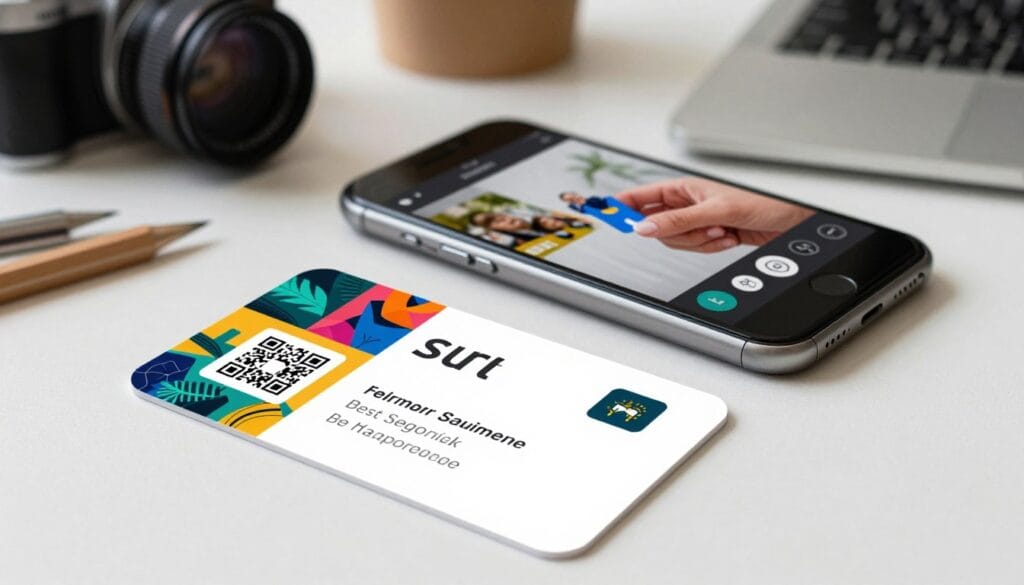
By embracing these innovations, you can transform your photography business card into a powerful tool that reflects your brand’s commitment to creativity and accessibility.
For more insights on effective card designs, check out this guide.
best photography business cards ideas
Your business card can serve as a vital expression of your artistic vision. This article showcases 21 inspiring designs that photographers have used to make a lasting impression.
One standout example is Alex Settari’s abstract photography card. It highlights how different photographers utilize high-resolution images and camera icons to create memorable cards.
Each design demonstrates how small details, like a unique font or a specific color scheme, can elevate a simple card. By reviewing these examples, you can discover photography business cards that align with your niche, whether it focuses on weddings or wildlife.
These cards show that even with limited space, you can include all necessary details while maintaining a clean and professional visual image.
Creative Branding Techniques for Your Card
Crafting a unique card is more than just a design choice; it’s a strategic branding move. Your card should resonate with your artistic style, ensuring that every element contributes to a cohesive brand identity.
Aligning your card with your photography style is essential. This ensures that your branding is consistent across all materials, from your website to your social media. A well-designed card acts as a visual extension of your work, demonstrating that your branding is as professional as the images you capture.
Aligning Your Card with Your Photography Style
Consider how color psychology plays a role in your design. For instance, black and white can create a timeless look that complements various styles. When potential clients see your card, they should immediately connect it to your artistic vision.
Using Visuals to Tell Your Brand’s Story
Powerful visuals on your card help convey your brand’s story. They allow clients to grasp your artistic vision at a glance. Make sure the colors and fonts match your website, reinforcing your brand every time a client sees it.
- Creative branding techniques involve aligning your card with your specific photography style.
- Using powerful visuals helps tell your brand’s story effectively.
- Ensure that colors and fonts match your website for consistency.
- A well-designed card acts as a visual extension of your photography.
- Consistent branding makes it easier for clients to remember your name.
Tips for Distributing and Promoting Your Cards
Effective distribution of your card can enhance your visibility and client reach. To ensure potential clients can easily contact you, make sure your card includes your phone number and email address. This simple step can lead to more inquiries and opportunities.
Maximize your reach by distributing your cards at various venues. Consider handing them out at networking events, leaving them at local businesses, or including them in client mailers. These strategies can significantly expand your audience.
Marketing your photography effectively requires a consistent distribution strategy. Always have high-quality cards on hand for potential clients. The price of printing your cards can vary, ranging from as little as $10 for basic paper options to around $200 for premium finishes.
Keep your text clear and simple to read. This ensures that your contact information is accessible to everyone who receives your card. By following these tips, you can effectively promote your card and strengthen your connections in the industry.

Conclusion
Your card is a vital tool in shaping perceptions of your artistic talent. Well-crafted photography business cards play a crucial role in establishing your brand and leaving a lasting impression on potential clients.
Whether you opt for a minimalist design or a more luxurious finish, ensure your card reflects the professional quality of your work. By integrating digital elements and focusing on creative branding, you can keep your card relevant in today’s market.
Remember, your card is often the first physical touchpoint a client has with your photography venture. Make every detail count. Investing time and effort into your card design will help you stand out from other photographers in your area.
Stay focused, Ray Baker. For more on how to effectively promote your services, consider exploring a photography referral program to enhance your client reach.