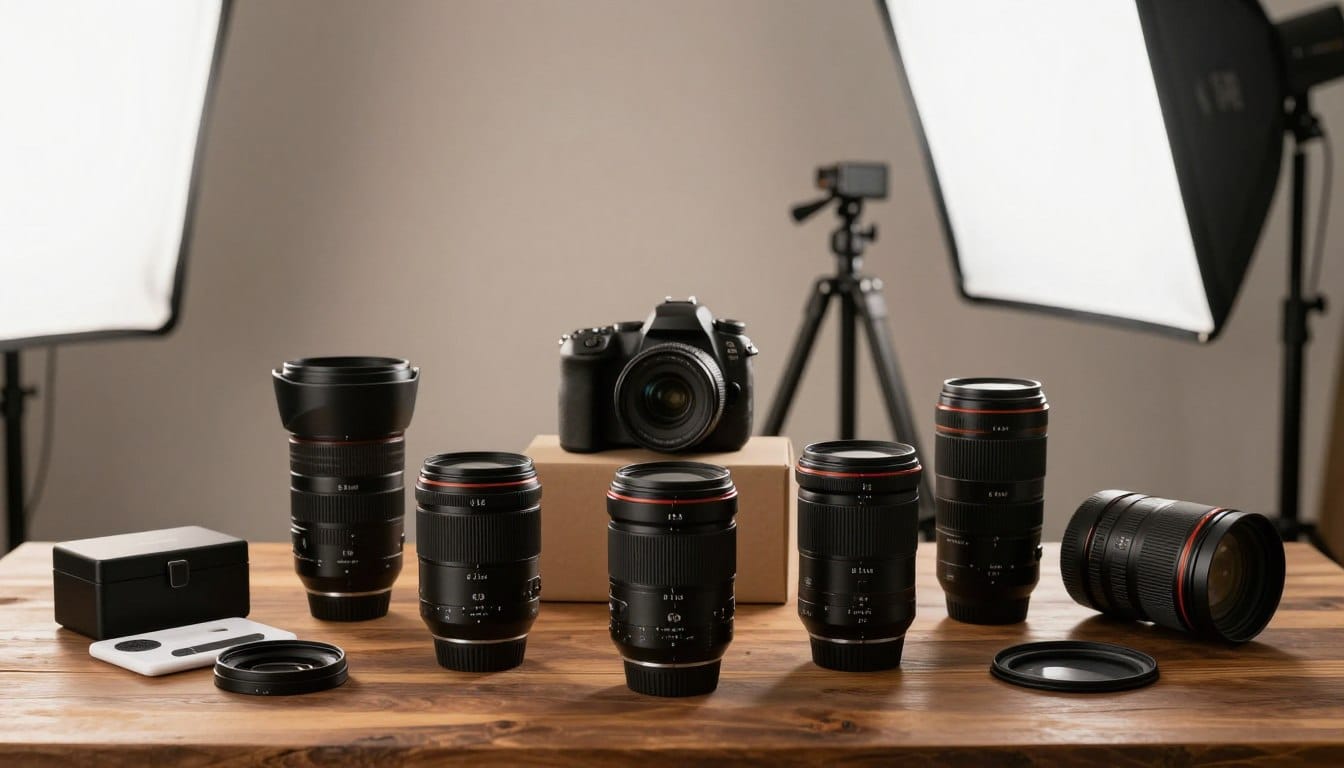
Finding the right equipment is a crucial step in your journey to achieving remarkable outcomes in your creative work. The right gear can truly transform your ability to capture breathtaking images of your subjects. This guide aims to help you navigate the complex world of photography gear, focusing on how specific focal lengths and aperture settings can significantly impact the results you achieve.
Whether you are using a Canon, Nikon, or Sony camera, understanding your equipment is vital for success. With 19 years of experience in the photography industry, Paul shares insights that can help you elevate your skills. By simplifying the technical aspects, you can focus on the art of capturing beautiful human expressions.
Introduction to the Ultimate Guide
Choosing the right gear can greatly enhance your creative journey. As a professional photographer with 19 years of experience, I understand that selecting a lens is much like picking the perfect avocado—it’s all about finding the right fit.
This guide aims to assist every aspiring photographer in navigating the vast market of lenses tailored for their specific camera. Your choice of equipment can significantly impact how you capture a portrait, especially in varying lighting and environmental conditions.
Throughout this guide, you will discover why certain lenses are regarded as industry standards. These tools can elevate your portrait work to new heights. By the end, you will feel confident in selecting a lens that aligns with your unique style and budget.
| Lens Type | Ideal For | Key Features |
|---|---|---|
| 50mm Prime | General Portraits | Versatile, sharp images |
| 85mm Prime | Close-Up Portraits | Beautiful bokeh, flattering perspective |
| 24-70mm Zoom | Versatile Shooting | Flexible focal length, good for various settings |
Why Portrait Photography is Unique for Beginners
Engaging with your subject is what makes portrait photography a distinctive art form. This genre demands a deep connection to capture genuine human emotion. Unlike landscapes, where focus can be more forgiving, people require precise attention.
Many photographers highlight that the relationship with your subject is just as crucial as your camera settings. Building this rapport can lead to stunning images that resonate with viewers.
As a beginner, learning how to make your subject feel comfortable is vital. This skill will greatly enhance your ability to produce high-quality portraits. Additionally, your choice of lens can either bridge the gap or create a barrier between you and your subject.
| Key Elements | Importance | Impact on Images |
|---|---|---|
| Connection | Essential for emotion | Authentic expressions |
| Comfort | Reduces tension | Natural poses |
| Interaction | Enhances engagement | Dynamic shots |
Key Considerations in Choosing the Right Lens
Selecting the right equipment is essential for capturing stunning images that tell a story. A few critical factors can significantly impact your results.
Aperture, Focal Length, and Depth of Field
The aperture of your lens determines how much light enters the camera. This is crucial for creating a shallow depth of field, which helps isolate your subject from the background.
Choosing the correct focal length is equally vital. It dictates how much of the background is visible in your shots, affecting the overall composition.
Understanding Lens Build and Autofocus
A high-quality lens build often features advanced coatings, such as the Nano Crystal Coat found on the Nikon 85mm f/1.4G. This enhances image quality by reducing flare and improving contrast.
Additionally, autofocus speed is essential for tracking moving subjects. Beginners will appreciate lenses that maintain sharpness, even with quick movements.
Finally, balance the physical weight of the lens with its optical quality. This ensures you can shoot comfortably for extended periods, allowing for a more enjoyable experience.
Best Lens For Portrait Photography Beginners: A Closer Look
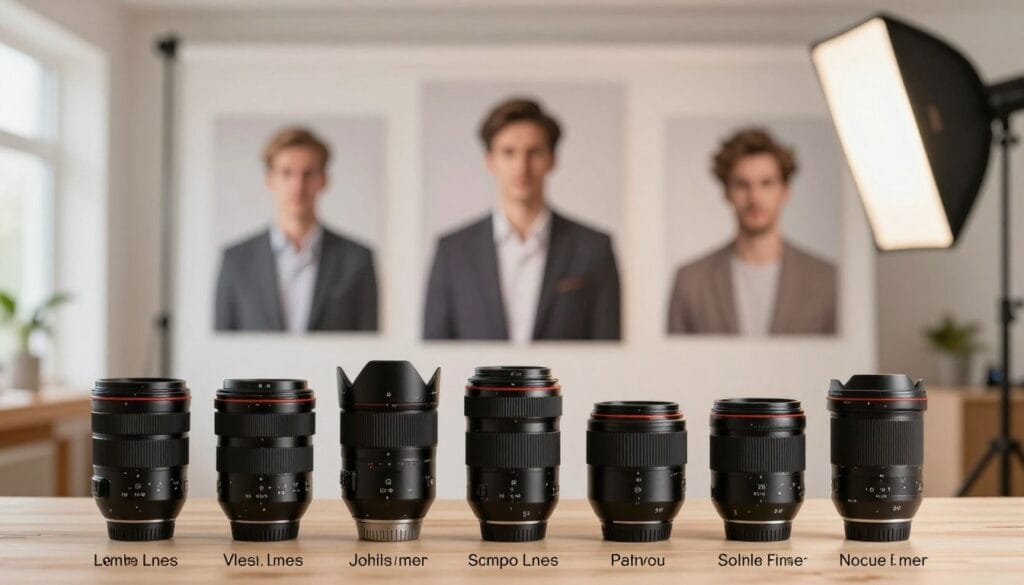
Understanding how different focal lengths shape your images is key to enhancing your craft. When selecting the right equipment, consider how the focal length affects the perspective of your subjects. This choice can significantly alter the mood and depth of your portraits.
Many professional photographers suggest starting with a prime lens. This approach teaches you the discipline of moving your feet to frame the shot, enhancing your skills over time. Additionally, your camera sensor size, whether FX or DX, will influence the effective focal length of your chosen equipment.
Let’s explore why certain lenses are favored by newcomers. They can produce professional results without requiring a massive investment. Every lens possesses a unique character, and discovering one that aligns with your vision is an exciting part of the journey.
| Focal Length | Perspective Impact | Recommended Use |
|---|---|---|
| 35mm | Wider view, suitable for environmental portraits | Casual settings |
| 50mm | Natural perspective, versatile for various styles | General use |
| 85mm | Flattering compression, ideal for close-ups | Classic portraits |
Prime Lenses for Natural Portraits
Using a prime lens can significantly enhance the depth and emotion in your portrait work. Two standout options are the classic 50mm and the elegant 85mm. Each lens offers unique advantages that can elevate your photography.
The Classic 50mm – The “Nifty Fifty”
The 50mm lens, often called the nifty fifty, is a versatile prime lens that provides a natural perspective for environmental portraits. Using a Canon 50mm f1.2, I captured the podcast host Katie Elliott in a way that felt both intimate and professional.
The Elegant 85mm – The Portrait King
The 85mm lens is widely considered the portrait king because it offers beautiful compression and smooth bokeh for your subjects. When I photographed the Bristol singer Lady Nade, the Canon 85mm f1.2 allowed me to isolate her against a soft background.
- Prime lenses generally offer better light transmission than zoom lenses.
- They are ideal for shooting in challenging indoor conditions.
- Both the 50mm and 85mm lenses excel in creating stunning portraits.
Zoom and Telephoto Lenses for Versatile Shots
Exploring the world of zoom and telephoto lenses can unlock new creative possibilities in your photography. These types of lenses offer flexibility, allowing you to adjust your focal length without needing to change your position. This feature is particularly beneficial when capturing portraits in dynamic environments.
For instance, during a shoot for Parkinson’s Magazine, I relied on the Canon 70-200mm f2.8 lens to achieve tight headshots while maintaining a professional distance. This capability ensures you can connect with your subject while still composing the shot effectively.
Zoom lenses are also excellent for event photography. They allow you to capture candid shots of subjects from across a crowded room, making them invaluable in busy settings. While prime lenses often deliver sharper images, the versatility of a zoom lens can be a lifesaver when space is limited.
When you want to compress the background and make your subject stand out, a telephoto lens is your best choice. This effect can add depth and focus to your portraits, enhancing the overall impact of your images.
Budget-Focused Options for Aspiring Photographers
You don’t need to break the bank to find lenses that elevate your photography. There are affordable options that provide excellent quality, making it easier for you to develop your skills.
One standout choice is the NIKKOR Z DX 24mm f/1.7. This lens has a minimum focus distance of just 0.18m, making it perfect for those who want to experiment with close-up portraits.
Many budget-friendly lenses offer a fixed focal length. This feature encourages you to be more creative with your composition and framing. By investing in a high-quality prime lens, you can achieve professional results without spending a fortune.
Additionally, always check the used market for older versions of professional lenses. These often provide incredible value for aspiring photographers looking to enhance their toolkit.
Mastering Aperture, Focal Length, and Bokeh for Stunning Portraits
Grasping the technical aspects of your equipment can transform your approach to creating stunning visuals. Understanding how aperture, focal length, and bokeh work together is crucial for achieving remarkable results in your images.
Optimizing your aperture settings allows you to control the amount of light and the intensity of the bokeh in your portraits. A wider aperture not only lets in more light but also creates a beautifully blurred background, making your subject stand out.
Optimizing Bokeh for a Professional Look
A longer focal length will naturally produce more pleasing bokeh, helping your subject pop against a blurred background in your images. This effect adds depth and dimension, enhancing the overall quality of your work.
Balancing Light and Exposure
Balancing the available light is essential for achieving a professional exposure that highlights the features of your portrait subject. You can use a wide aperture to let in more light, which is particularly useful when shooting in dim indoor environments.
Experimenting with different focal length settings will help you understand how to manipulate the depth of field for more creative results. This exploration will not only refine your skills but also expand your artistic vision.
Real-Life Lens Reviews and Recommendations from Pros
Insights from industry experts can significantly influence your lens selection process. Many photographers emphasize the importance of real-world performance over specifications alone. For instance, the Nikon 85mm f/1.4G is often praised for its quality, boasting a diameter of 3.4 inches and a length of 3.3 inches. This lens excels in creating stunning images with a beautiful bokeh effect.
Another classic choice is the Nikon 135mm f/2 DC, which has been a favorite since its release in 1995. It continues to deliver sharp images that rival newer models. When comparing lens performance, professionals often focus on how the focal length affects the overall frame and subject separation.
It takes time to master the nuances of a new lens, but the effort pays off in your portrait images. While professional gear can be pricey, the long-term quality and durability often justify the investment for serious photographers.
| Lens Model | Diameter | Length | Key Features |
|---|---|---|---|
| Nikon 85mm f/1.4G | 3.4 inches | 3.3 inches | Excellent bokeh, sharpness |
| Nikon 135mm f/2 DC | N/A | N/A | High-quality images, classic design |
| Comparative Insights | N/A | N/A | Focal length impacts frame and separation |
Tips and Techniques for Professional Portrait Results
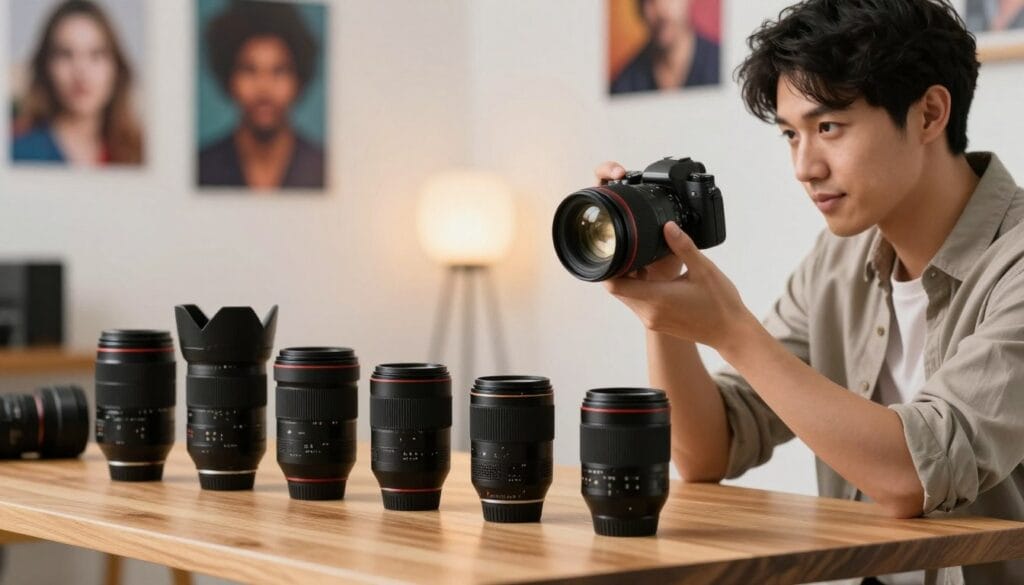
To achieve remarkable outcomes in your creative work, understanding the techniques and settings is vital. Always ensure your camera is set to the correct focal length for each portrait. This choice directly impacts how your subjects are framed and perceived in the final images.
Adjusting your aperture is another key factor. It controls the light and bokeh, significantly enhancing the quality of your portraits. A well-managed aperture can transform the mood of your work.
Communication with your subjects is essential. The way they pose can change the entire mood of your portrait work. Take the time to connect with them, as this rapport can lead to more natural and engaging images.
Using a prime version of your favorite focal length can help you develop a consistent style across all your projects. Lastly, remember that the choice of lens range is personal. Experimenting with different lengths will guide you to discover your unique creative voice.
Conclusion
Looking back at the insights shared here can empower you to take your photography to new heights. This guide has provided a comprehensive look at lens options that can enhance your skills in capturing beautiful portraits.
Remember, the right choice of gear should fit your budget while allowing you to create the images you envision. Take the time to practice with your new lens, as experience is the most valuable asset for any aspiring photographer.
Whether you opt for a prime or a zoom, the key factor remains your ability to connect with your subjects and capture the light. Thank you for reading this guide, and I hope you feel inspired to create stunning portraits today.
Stay focused, Ray Baker.
FAQ
What is the ideal focal length for portrait shots?
How does aperture affect portrait quality?
Should I choose a prime or zoom lens for portraits?
What budget options are available for aspiring photographers?
How can I improve my bokeh in portraits?
What features should I look for in a lens for portrait work?
How important is lens build quality?
Can I use my kit lens for portraits?
Struggling to get consistent photography clients?
Get More Photography Clients