Have you ever wondered why your photos don’t turn out as stunning as you imagined? Many new photographers encounter common challenges that can be easily overcome with the right guidance. After seven years of teaching, I’ve seen firsthand that every aspiring photographer makes at least one typical error when starting out.
You don’t have to repeat the same errors that others have made. Learning from someone experienced can save you valuable time and frustration. This guide aims to provide simple fixes to help you avoid these pitfalls and start capturing the high-quality images you desire.
By understanding your camera better, you can navigate the initial learning curve and truly enjoy the creative process. Ready to elevate your skills and avoid the common hurdles? Let’s dive in!
Key Takeaways
- Common errors can be easily corrected with professional guidance.
- Understanding your camera is key to improving your skills.
- Learning from experience saves time and frustration.
- Simple fixes can lead to stunning photos.
- Embrace the creative process of capturing images.
Identifying the Pain Points in Your Photography Journey
What causes the disconnect between your vision and your final photos? Since 2008, I have trained many photographers, and a common theme emerges: the overwhelming amount of conflicting information online. This flood of data can lead to confusion and frustration.
It’s perfectly normal to feel disheartened when your results don’t match your expectations. These challenges are part of the learning process. In fact, many photographers discover that taking the easiest route often leads to more confusion rather than clarity.
Identifying your specific pain points is crucial for overcoming the common mistakes that may be holding back your creative potential. Over the past 15 years, the rise of complex marketing has often distracted students from mastering the essential techniques they need.
“The best way to learn is to identify your struggles and address them head-on.”
By acknowledging these hurdles, you can start to navigate your photography journey with greater confidence and purpose.
Understanding the Basics of Exposure and Lighting
Is there a gap between the beautiful scenes you see and the images you capture? Understanding exposure and lighting is essential for creating stunning images. Many struggle with achieving the right balance, especially in challenging conditions.
When the sun is directly overhead at midday, it can create harsh shadows and unflattering hot spots on skin. This often leads to a less than ideal quality in your images. To counteract this, look for pockets of shade that can soften the contrast and enhance your shots.
It’s also beneficial to practice indoors where lighting is more controllable. This will help you learn how your camera interprets light, enabling you to achieve the correct exposure without relying solely on automatic settings.
Spotting and Overcoming beginner photography mistakes
Do your photos sometimes fall short of capturing the essence of the moment? Mistakes in photography are not just setbacks; they are opportunities for growth. Each error carries a lesson, especially for those who are willing to learn.
Every photographer will inevitably encounter a mistake, but the key is to recognize it quickly and implement a corrective strategy immediately. By analyzing your work, you can spot the specific errors that prevent you from achieving professional-looking results.
Remember, even seasoned photographers once struggled with the same technical hurdles you face today. Overcoming these errors requires a commitment to practice and a willingness to step outside your comfort zone during every shoot.
Documenting what went wrong and how you fixed it can turn a frustrating experience into a valuable lesson. As you embrace this process, you’ll find that each mistake brings you one step closer to mastery.
“Mistakes are wonderful things because they carry a gift of knowledge for the persistent student.”
Getting to Know Your Camera Settings
Have you ever considered how understanding your camera settings can elevate your photography? Whether you own a $35,000 Hasselblad or an entry-level compact, the camera is simply a tool that records light as a digital file.
Relying on auto mode can prevent you from making creative decisions. This effectively turns your expensive camera into a basic point-and-shoot device. Transitioning to manual mode allows you to take full control over your exposure, which is essential for capturing dramatic and artistic images.
Practice adjusting your settings until you can change them without looking away from the viewfinder during a fast-paced shoot. Additionally, learning to navigate your camera menu is a vital skill that separates those who take snapshots from those who create intentional art.
Effective Use of White Balance and Color Accuracy
Do you find that your images often miss the true colors of the scene? Achieving the right white balance is crucial for capturing lifelike colors. When relying on auto white balance, skin tones can appear unnatural, sometimes resembling a character from a cartoon.
Here are some tips to enhance your color accuracy:
- Set your own custom white balance in-camera to avoid fixing color issues later.
- Auto white balance may lead to images with an unnatural yellow or blue tint, distorting skin tones.
- Developing the skill to see the correct color temperature takes consistent practice and observation.
- Proper color balance ensures your final images look professional and reflect the scene’s mood.
- Getting the white balance right in the field can save you hours of frustration in post-processing.
Mastering these techniques will elevate your images and enhance your overall photography experience.
Mastering Composition: Rule of Thirds and Creative Framing
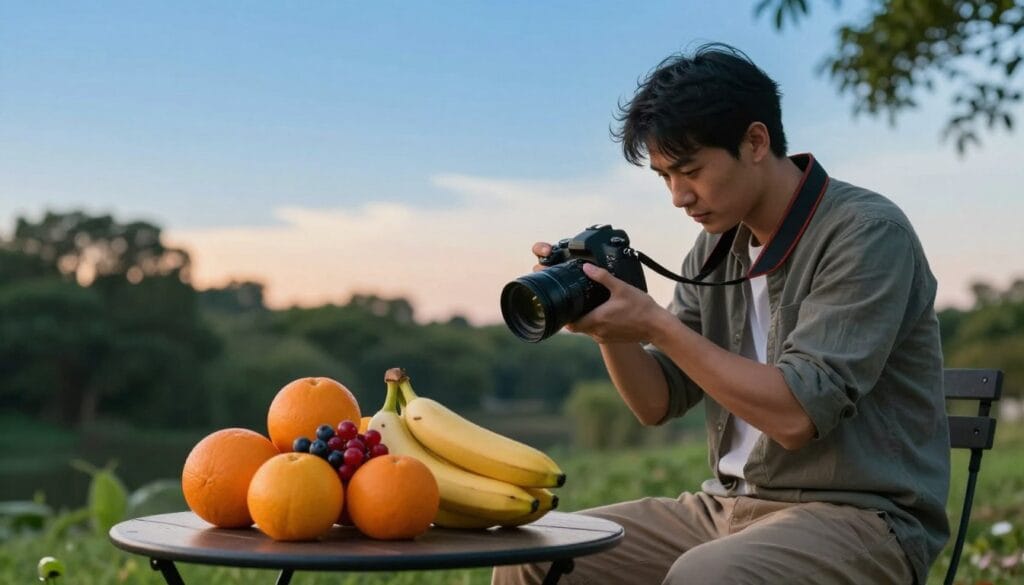
Do you find that your images don’t always capture the drama you envisioned? Mastering composition is key to creating photos that resonate with viewers. A common habit is placing the subject in the center of the frame, which can lead to static and uninteresting images.
Utilizing the rule of thirds can help you move your subject away from the center. This technique creates a more dynamic and engaging composition. A well-composed image draws the viewer’s eye and tells a story, while a centered subject often feels ordinary.
When framing your shot, make conscious choices about what to include and exclude. Shifting your subject to one side of the frame can instantly enhance the visual impact of your photos. Additionally, experimenting with different framing techniques allows you to develop a unique style that stands out.
| Technique | Description | Impact |
|---|---|---|
| Rule of Thirds | Divide the frame into a 3×3 grid and place the subject off-center. | Creates balance and interest. |
| Framing | Use elements in the scene to frame the subject. | Directs attention and adds depth. |
| Negative Space | Leave empty space around the subject. | Enhances focus and simplicity. |
Shooting at the Right Time: Making the Most of Natural Light
Do you realize that the right timing can transform your images into captivating works of art? Understanding how to utilize natural light is essential for creating stunning photographs. The quality of light changes significantly throughout the day, making it crucial to shoot at the right time to capture a specific mood.
During the golden hour, which occurs just after dawn or before sunset, the soft, warm light creates a flattering glow for your subjects. This gentle light enhances details and reduces harsh shadows that can detract from your images.
If you find yourself traveling and unable to choose your shooting time, seek out pockets of shade. This can help you avoid the extreme contrast that direct sunlight often brings. Understanding how light interacts with your subject will enable you to create images that are both visually compelling and emotionally resonant.
You’ll notice that a flower or a person looks much more pleasing when photographed in the soft light of twilight or dawn.
Nailing Sharp Focus and Preventing Blurry Images
Have you ever felt frustrated when your images don’t reflect the sharpness you envisioned? Achieving clear focus is essential for creating stunning visuals. Many photographers struggle with blurry images, often due to using a shutter speed that is too slow for the conditions.
To prevent blur, ensure your shutter speed is faster than one divided by the focal length of your lens. For example, if you’re using a 50mm lens, your shutter speed should be at least 1/50 seconds. Here are some tips to help you nail sharp focus:
- Be intentional about your settings and hold your camera steady during each shot.
- If your images are consistently soft, consider increasing your ISO or opening your aperture to gain more speed.
- Practice focusing on different subjects to improve your skills.
- Use the camera’s autofocus features effectively to enhance sharpness.
Troubleshooting focus issues is a critical part of the learning process for anyone who wants to produce tack-sharp, professional-quality work.
| Issue | Cause | Solution |
|---|---|---|
| Blurry Images | Slow shutter speed | Increase shutter speed |
| Soft Focus | Improper focus settings | Adjust focus point |
| Motion Blur | Camera shake | Use a tripod or stabilize |
Utilizing a Tripod for Stability in Low Light
Have you considered the role a tripod plays in achieving clarity in challenging lighting situations? A sturdy tripod is essential when shooting in low light or using small apertures that require a very slow shutter speed. For instance, a 200mm lens shot at 1/50th of a second demands a tripod to ensure a tack-sharp image without camera shake.
While some photographers find tripods cumbersome, they are the only way to guarantee stability for long exposures and night photography. Fortunately, lightweight and compact tripods are available, making them easy to carry. This eliminates the excuse that they are too heavy for travel.
Using a tripod encourages you to slow down and be more intentional with your composition. This deliberate approach ultimately leads to better overall images. Without a tripod, capturing sharp images in challenging lighting conditions can be nearly impossible.
| Scenario | Recommended Tripod Use | Benefits |
|---|---|---|
| Low Light | Essential | Prevents camera shake |
| Long Exposures | Critical | Ensures clarity |
| Night Photography | Highly Recommended | Enhances detail |
Managing Shutter Speed to Prevent Motion Blur
Have you ever noticed how the speed of your camera settings can drastically change the outcome of your images? Managing your shutter speed is vital for preventing motion blur and ensuring your subject remains crisp and clear.
When you opt for a small aperture, your camera tends to select a slower shutter speed. This can increase the risk of camera shake, leading to less-than-ideal images. It’s essential to keep a constant eye on your shutter speed, especially when shooting in aperture priority mode, to avoid ruining your shots.
If your shutter speed drops too low, you can easily compensate by opening your aperture or increasing your ISO. Mastering the balance between these settings is a fundamental skill every photographer must learn to produce high-quality work.
| Shutter Speed | Effect | Recommended Action |
|---|---|---|
| Too Slow | Increased motion blur | Increase shutter speed |
| Balanced | Sharp images | Maintain settings |
| Too Fast | Loss of detail in motion | Decrease shutter speed |
Balancing Aperture for Optimal Depth and Clarity
Could the way you balance light and depth be the key to elevating your images? Understanding how aperture controls the depth of field is crucial for achieving the desired focus in your shots. The effect of aperture varies depending on the lens length and the distance to your subject.
Choosing the right aperture is essential for controlling how much of your image remains in focus. While aperture priority mode is a useful tool, be aware that smaller apertures require more light to maintain a fast shutter speed. Many photographers mistakenly believe that a small aperture, like f/11, will always yield a sharp image, regardless of the shutter speed.
Understanding depth of field allows you to isolate your subject from the background, creating a professional, three-dimensional feel. Experimenting with different apertures can show you how they change the clarity and mood of your photos in various lighting situations.
| Aperture Setting | Depth of Field Effect | Best Use Case |
|---|---|---|
| f/2.8 | Shallow depth of field | Portraits |
| f/5.6 | Moderate depth of field | Landscapes |
| f/11 | Deep depth of field | Macro shots |
Committing to Continuous Learning in Photography
What if the secret to mastering your craft lies in consistent practice and exploration? Embracing continuous learning is essential for evolving from a novice to a confident photographer over time.
Here are some strategies to enhance your skills:
- Focus on One Setting: Choose a specific setting on your camera each week. Practice adjusting it until it becomes second nature.
- Repetition Builds Confidence: Regularly practice technical tasks, like changing your ISO or focus point while shooting.
- Put in the Hours: Only through dedicated practice will the complex functions of your camera become instinctive.
- Track Your Progress: Concentrate on your improvement rather than comparing yourself to others. Monthly progress is what truly matters.
By committing to these practices, you will see a significant transformation in your photography journey.
| Practice Focus | Benefits | Outcome |
|---|---|---|
| Weekly Settings | Enhances technical skills | Increased confidence |
| Repetitive Tasks | Builds muscle memory | Improved efficiency |
| Progress Tracking | Encourages motivation | Visible growth |
Turning Errors into Learning Opportunities
What if every misstep in your images is a stepping stone to improvement? Mistakes are indeed wonderful things because they carry valuable lessons for the observant student.
Each time you make a mistake, you have a unique opportunity to analyze what went wrong. This reflection can significantly improve your future images.
A successful photographer is simply someone who has made more errors than a novice and learned from every single one. Instead of feeling discouraged by a poor shot, try to identify the specific technical error that caused the unsatisfactory result.
You will find that the best way to grow is to embrace these challenges rather than letting them hinder your progress. Documenting your errors helps you build a mental library of solutions that you can apply to future projects.
“Mistakes are wonderful things because they carry a gift of knowledge for the persistent student.”
Incorporating Expert Advice and Proven Techniques
Could the guidance of experienced photographers be the missing link in your journey to stunning visuals? Many aspiring photographers find that incorporating expert advice can help them avoid the common pitfalls that often lead to frustration and a lack of confidence.
As John Spear noted, learning the right techniques can lead to immediate improvements that even your peers will notice and admire. Here are some key takeaways from seasoned photographers:
- Expert insights: These can help you navigate the complexities of photography.
- Structured learning: Investing in a course ensures you are mastering skills in the correct order.
- Proven methods: Studying techniques used by professionals can fast-track your progress.
- Peer recognition: Your improvements may amaze your local camera club, just like John experienced.
- Clear pathways: Seasoned photographers can provide guidance through the contradictions of the industry.
Your 7-Day Action Plan for Immediate Photo Improvement
Have you thought about how a focused action plan can enhance your camera skills? This 7-day plan is designed to help you implement quick fixes and adjustments to your daily photography routine.
Throughout the week, you’ll master essential camera settings, from white balance to shutter speed, ensuring you capture better photos. Each day, you will practice a new skill, such as using aperture priority mode or finding the best light for your subject.
By the end of the week, you will feel more comfortable with your camera and ready to move beyond basic auto mode. You’ll learn to use a tripod for stability and how to frame your subject to create more dynamic and interesting images.
This structured approach helps you see the world through a new eye and improves your photography in a very short time.

Wrapping Up: Next Steps on Your Photography Journey
As you embark on your journey to becoming a skilled photographer, remember that every step counts. Your growth hinges on understanding your camera settings, especially when it comes to manual mode. This knowledge will allow you to achieve professional results in your images.
Light is another critical element. Mastering its quality and direction will ensure your subject is always captured in the most flattering way. Don’t forget to practice consistently. Each mistake is a chance to learn, building your confidence and enhancing your final photos.
Here are some takeaways to keep in mind:
- Learn your camera settings: Prioritize this over automatic modes.
- Master light: Ensure your subject is always well-lit.
- Practice: Turn mistakes into learning opportunities.
For further insights, check out this resource on common pitfalls in photography.
Frequently asked questions:
- How do I stop blurry photos? Ensure your shutter speed is fast enough and use a tripod for low light.
- Is manual mode necessary? It is the best way to control your exposure, but start with aperture priority mode first.
- Why are my colors off? Adjust your white balance in-camera for accurate color representation.
- How do I improve composition? Use the rule of thirds to place your subject off-center and remove distracting elements.
Disclaimer: This article is for educational purposes; results may vary based on individual equipment and the specific environment of your shoot.