

There I was, sitting in my little Sydney studio at 2 AM, refreshing my empty inbox for the hundredth time. My camera gear was gathering dust. My calendar had more blank spaces than a crossword puzzle I’d given up on. I’d invested thousands in equipment and education, but I couldn’t figure out how to get more photography clients to actually pay me.
Sound familiar? You’re not alone.
The photography business can feel like shouting into the void. You post beautiful work online. You tell your mates you’re available. Yet somehow, the bookings just don’t come. But here’s the thing I learned after turning my struggling photography side hustle into a thriving business: getting clients isn’t about being the most talented photographer in town.
It’s about being visible to the right people at the right time.
Quick Answer
To get photography clients in 2026, focus on three core strategies: optimize your online presence with a professional website and SEO, actively network both online and in your local community, and create a consistent referral system from satisfied clients. The most successful photographers combine strong portfolio presentation with strategic marketing that puts their work in front of potential clients searching for photography services right now.
5 Key Strategies to Attract High-Paying Photography Clients
Define Your Ideal Client
Understanding exactly who you want to photograph transforms your entire photography business approach and makes marketing efforts significantly more effective.
- Research demographics and preferences of your target market
- Create client personas based on real people you enjoy working with
- Tailor your portfolio to showcase work that appeals to these specific clients
- Speak directly to their needs in all your marketing content
Build a Professional Online Presence
Your website is often the first impression potential clients get of your photography work and professionalism in today’s digital world.
- Invest in a clean, fast-loading website that showcases your best photos
- Optimize your site for search engines with relevant keywords
- Include clear contact information and booking options on every page
- Update your portfolio regularly with fresh, relevant work
Master Social Media Marketing
Social media platforms provide free access to thousands of potential clients actively looking for photographers in your community and beyond.
- Post consistently on platforms where your ideal clients spend time
- Share behind-the-scenes content that builds personal connections
- Use location tags and relevant hashtags to increase discoverability
- Engage authentically with your community through comments and messages
Develop a Referral System
Happy clients are your most powerful marketing tool and can generate a steady stream of new photography bookings through word-of-mouth recommendations.
- Deliver exceptional client experience from first contact to final delivery
- Ask satisfied clients for reviews and testimonials immediately after photoshoots
- Create a simple referral incentive program that rewards client advocacy
- Make it easy for clients to share your work with friends and family
Understanding Your Ideal Photography Client
Before you can get photography clients consistently, you need to know exactly who you’re trying to attract. I wasted my first year trying to be everything to everyone. I shot weddings, headshots, products, pets, and anything else that came my way. My portfolio looked like a confused mess, and potential clients couldn’t figure out what I actually specialized in.
The breakthrough came when I sat down and honestly assessed which clients I enjoyed working with most. Which photoshoots left me energized rather than drained? Which clients valued my work enough to pay properly? Those answers shaped everything that followed.
Creating Your Client Persona
Your ideal client isn’t just a demographic statistic. They’re a real person with specific needs, fears, and desires. Take time to build a detailed picture of this person. Are they a busy professional needing headshots for their growing business? A young family wanting to document their children’s early years? A couple planning their dream wedding?
Write down their age range, income level, where they live, what they value, and what keeps them up at night. This isn’t busy work. When you understand your ideal client deeply, every piece of content you create, every portfolio image you choose, and every marketing strategy you implement becomes more focused and effective.

Specialization Versus Generalization
Here’s an uncomfortable truth: specialists get paid more than generalists. A wedding photographer who only shoots weddings can charge premium rates because couples trust that expertise. A photographer who shoots “everything” struggles to command high prices because potential clients wonder if they’re truly excellent at any one thing.
You don’t have to choose one niche forever. But when you’re building your photography business and trying to attract consistent bookings, picking a specialty makes everything easier. Your website messaging becomes clearer. Your marketing becomes more targeted. Your portfolio becomes more compelling because every image reinforces your expertise.
People hire specialists for important moments. They hire generalists when price is the only factor that matters.
Building Your Professional Online Presence
Your website is your digital storefront, open around the clock. When I finally invested in a proper photography website instead of relying on free portfolio sites, my inquiries tripled within two months. Not because my photography suddenly got better, but because I finally looked like a legitimate business people could trust.
Website Essentials That Convert Visitors
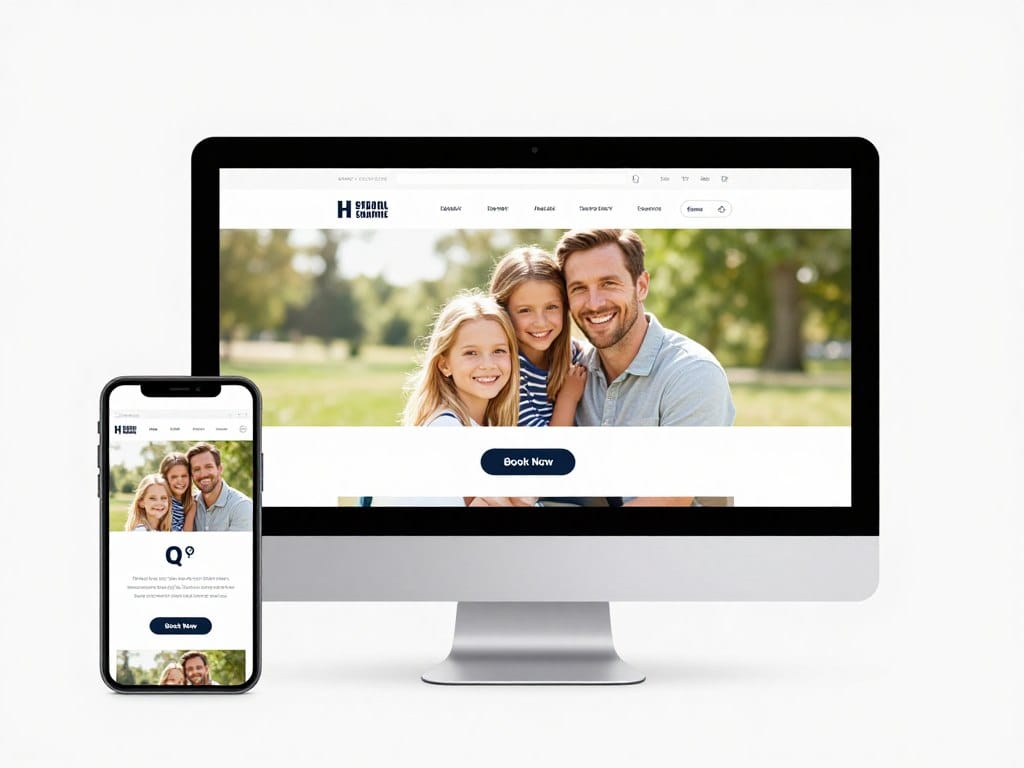
A photography website needs to do three things exceptionally well: showcase your best work beautifully, communicate clearly what services you offer, and make it ridiculously easy for people to contact you. Everything else is secondary.
Start with a strong homepage that immediately shows what you do and who you serve. Don’t bury this information. Within five seconds of landing on your site, visitors should understand whether you’re the photographer they’re looking for. Use a powerful hero image, a clear headline, and simple navigation that guides people exactly where they need to go.
Portfolio Page Strategy
Your portfolio page is where potential clients decide whether to hire you or keep searching. Only show your absolute best work. Every image should represent the quality and style you want to be hired for. If an image is just “pretty good,” leave it out. Ten stunning images beat fifty mediocre ones every single time.
Organize your portfolio by service type or client type. If you shoot both weddings and family sessions, create separate galleries for each. This helps visitors quickly find relevant work and imagine themselves in your photos.
SEO Basics for Photography Websites
Search engine optimization might sound technical and boring, but it’s how potential clients find you when they search for photography services in your area. The basics are simpler than you think, and they make a massive difference to how many people discover your site organically.
Start with your page titles and descriptions. Every page on your website should have a unique title that includes relevant keywords. For example, “Sydney Family Photographer | Natural Outdoor Sessions” is far better than just “Portfolio.” Search engines use these titles to understand what your pages are about and show them to people searching for those specific services.
Your website content should naturally include the phrases potential clients actually search for. Think about how someone looking for your services would phrase their search. They might search for “family photographer near me,” “wedding photographer Sydney,” or “newborn photography prices.” When your website content authentically addresses these topics, search engines connect your site with those searches.
The Power of a Blog for Your Photography Business
I resisted starting a blog for years. I’m a photographer, not a writer, I told myself. But when I finally started publishing simple blog posts answering common client questions, my website traffic doubled, and more importantly, the quality of my inquiries improved dramatically.
A blog serves multiple purposes. It improves your SEO by giving search engines fresh content to index. It positions you as an expert who understands your clients’ needs. It answers questions that potential clients have before they even contact you, which means the people who do reach out are already half-sold on working with you.
You don’t need to write novels. Simple posts work brilliantly. “What to Wear for Family Photos,” “How to Prepare for Your Newborn Session,” or “Wedding Photography Timeline Tips” are exactly the kind of practical content that helps people and ranks well in search results. Write like you talk, share your genuine expertise, and watch how these posts attract the right kind of clients to your photography business.
Quick Photography Website Tips
- Make sure your site loads quickly on mobile devices where most people browse
- Include your contact information on every single page, not just a contact page
- Add alt text to all your images describing what they show for better SEO
- Create clear calls to action telling visitors exactly what to do next
- Update your portfolio regularly to show current work and style
- Include testimonials from happy clients throughout your site to build trust
Networking and Building Local Connections
Online marketing is crucial, but some of my best photography clients have come from old-fashioned face-to-face connections. There’s something powerful about meeting people in person, having real conversations, and building relationships that go beyond digital interactions.
Local Business Partnerships
Other local businesses that serve your ideal client can become incredible referral sources. Think about who else works with the people you want to photograph. Wedding photographers can build relationships with venues, florists, and wedding planners. Family photographers might connect with children’s boutiques, maternity stores, or pediatricians. Corporate headshot photographers can partner with business coaches, real estate agencies, and professional organizations.
The key is creating genuine win-win relationships, not just asking for referrals. Offer to photograph their business for marketing materials in exchange for displaying your card in their location. Refer your clients to their services when appropriate. Share their content on your social media. When you genuinely support their business, they’re far more likely to recommend your photography services to their clients.

Community Involvement and Visibility
Getting involved in your local community isn’t just good citizenship; it’s smart business strategy for photographers looking to build local recognition and trust. Volunteer to photograph community events, donate a session to school fundraisers, or offer your services to local nonprofits you genuinely care about.
This visibility accomplishes several things simultaneously. You get practice and portfolio material. You meet potential clients in relaxed, pressure-free environments. You demonstrate your skills to dozens or hundreds of people who see your work displayed. And you build genuine goodwill in your community that translates into word-of-mouth referrals.
Just make sure you’re strategic about where you invest this time. Choose opportunities that put you in front of your ideal clients, not just any opportunity that comes along. A family photographer gets more value from volunteering at a school event than a corporate golf tournament. A wedding photographer benefits more from partnering with bridal shows than children’s festivals.
Building a Referral Network
A strong referral network is like having a sales team working for you without the overhead. These are people who genuinely believe in your work and actively recommend your photography services to others. Building this network takes intention and time, but the payoff is steady client flow without constant marketing effort.
Start with your existing clients. Every person you’ve photographed is a potential referral source, but only if they had an exceptional experience and you make it easy for them to refer others. After delivering photos, include a simple message asking if they know anyone else who might benefit from your services. Better yet, create a referral program that rewards clients who send business your way.
Expand beyond clients to complementary businesses and fellow photographers. Yes, other photographers can be referral sources when they’re booked or when an inquiry doesn’t match their style but fits yours perfectly. Build genuine friendships with photographers in adjacent niches or different price points. When you support each other instead of viewing everyone as competition, everyone’s business grows stronger.
Email Marketing and Staying Top of Mind
Social media algorithms change constantly, deciding which of your followers actually see your posts. But your email list? That’s yours. When someone gives you their email address, you have direct access to communicate with them whenever you want, without depending on any platform’s whims.
Building an email list should start from day one of your photography business. Add a simple signup form to your website offering something valuable in exchange, like a free guide on preparing for a photoshoot or a discount on first sessions. Include a signup option in your email signature, on your social media bios, and at the end of blog posts.
What to Send Your Email List
The photographers who succeed with email marketing aren’t constantly selling. They’re providing value, staying connected, and building relationships that eventually convert into bookings. Your emails should feel like helpful messages from a friend who happens to be a talented photographer, not spam from a business desperate for sales.
Send regular updates showcasing recent work, sharing photography tips, announcing special offers, or highlighting happy clients. The exact frequency depends on what you can maintain consistently. Monthly emails work for most photographers starting out. The key is consistency and value in every message you send.
Effective Email Content Ideas
- Seasonal photography tips relevant to your specialty and ideal clients
- Recent session highlights with stories about the experience and clients
- Exclusive offers or early access to limited booking slots for subscribers
- Educational content about how to prepare for different types of photoshoots
- Personal stories that help subscribers feel connected to you as a person
- Announcements about new services, expanded availability, or business updates
Email marketing works because it keeps you top of mind. When someone on your list or someone they know needs a photographer six months from now, you’ll be the first person they think of because you’ve been showing up consistently in their inbox providing value.
Delivering Client Experiences That Generate Referrals
The best marketing strategy for photographers isn’t fancy ads or viral social media posts. It’s delivering such an exceptional client experience that people can’t help but tell everyone they know about working with you. Every single photoshoot is an opportunity to create a raving fan who becomes a walking advertisement for your photography business.

From First Contact to Final Delivery
Your client experience begins the moment someone first contacts you, not when they show up for their photoshoot. Respond to inquiries quickly and professionally. Make booking easy with clear pricing and simple processes. Send welcome information that gets clients excited and prepared for their session.
During the photoshoot itself, your technical skills matter, but so does the emotional experience you create. Make people feel comfortable in front of the camera. Bring energy and enthusiasm to every session, even if it’s your third one that week. Remember that while this might be routine for you, it’s often a special occasion for your clients.
After the session, deliver photos when you promised or earlier. Present them beautifully, whether that’s through a gorgeous online gallery or physical products. Include a personal note thanking them for trusting you with their memories. These small touches create emotional connections that turn one-time clients into lifelong advocates.
The Follow-Up That Gets Referrals
Most photographers deliver photos and then never contact that client again until they want to book another session. This is a massive missed opportunity. The period right after delivering photos is when clients are most excited about their images and most likely to share their experience with others.
Send a follow-up email a week after delivery asking if they love their photos and if they’d be willing to share a quick review. Make this easy by including direct links to your Google Business profile, Facebook page, or preferred review platform. Consider offering a small incentive, like a free print or discount on their next session, for clients who leave reviews or refer others.
Stay in touch beyond that initial follow-up. Send birthday cards to families you’ve photographed. Reach out before typical booking seasons to offer priority scheduling. Share blog posts or tips you think specific clients would find helpful. These touchpoints keep you top of mind and strengthen relationships that lead to repeat bookings and consistent referrals.
Simple Photography Studio Tips for Client Confidence
Whether you work from a dedicated studio space or meet clients in other locations, the environment you create impacts how clients perceive your professionalism and whether they trust you with important moments and their money.
Creating a Welcoming Space
Your meeting or shooting space should feel clean, organized, and professional. You don’t need expensive furniture or elaborate setups. Simple, tasteful decor, good lighting, and comfortable seating create an environment where clients feel valued and cared for.
Display your best work prominently. Sample albums, framed prints, or a digital slideshow showing your portfolio helps clients visualize what they’ll receive and reinforces their decision to work with you. Keep business essentials like contracts, pricing information, and booking calendars easily accessible so the process feels smooth and professional.

Client Consultation Essentials
First meetings with potential clients, whether in person or virtual, set the tone for the entire relationship. Prepare a consistent consultation process that demonstrates your expertise and builds confidence. Have a clear agenda, ask thoughtful questions about their needs and vision, share relevant portfolio examples, and explain your process from booking to delivery.
Take notes during consultations to show you’re listening and to reference later. Nothing impresses clients more than remembering specific details they mentioned weeks earlier. This attention to detail signals that you’ll bring the same care and precision to their photoshoot and final images.
Pricing Your Photography Services to Attract the Right Clients
Pricing is one of the most challenging aspects of running a photography business, especially when you’re trying to attract consistent bookings. Price too low and you attract bargain hunters who don’t value your work. Price too high before you’ve built the portfolio and reputation to support it, and you struggle to book anyone.
Understanding Your Worth and Your Market
Your pricing should reflect three factors: your costs, your skill level and experience, and what your market will bear. Calculate your actual costs, including equipment, software, insurance, marketing, and the time you spend shooting and editing. Then research what other photographers in your area with similar experience and quality charge for comparable services.
Don’t compete on price alone. There will always be someone cheaper. Instead, compete on value and experience. What makes working with you worth the investment? Maybe it’s your unique style, your ability to make people comfortable, your quick turnaround time, or the exceptional customer service you provide. Communicate these differentiators clearly so clients understand why your pricing reflects the value you deliver.

Packaging Services for Profitability
Instead of offering everything à la carte, create clear service packages at different price points. This makes decision-making easier for clients and helps you maintain profitable minimums. A good package structure might include a basic, standard, and premium option, each offering increasing value and services.
The basic package should be profitable at your minimum acceptable price. The standard package should be your sweet spot where most clients book. The premium package should be aspirational, offering exceptional value for clients who want everything. This structure gives clients choices while guiding most toward your preferred booking tier.
Creating Consistent Photography Bookings All Year
The feast-or-famine cycle destroys more photography businesses than lack of talent ever will. You’re either drowning in work or desperately searching for clients with little middle ground. Breaking this cycle requires intentional strategies that smooth out the peaks and valleys.
Diversifying Your Photography Services
Relying on one type of photography or one busy season creates inherent instability. Wedding photographers who only shoot weddings face slow winter months. Family photographers who focus solely on holiday sessions scramble the rest of the year. The solution is strategic diversification that complements your main focus without diluting your brand.
A wedding photographer might add engagement sessions, bridal portraits, or anniversary shoots that book year-round. A family photographer could offer milestone sessions, personal branding photos for local entrepreneurs, or seasonal mini-sessions throughout the year. The key is choosing additions that appeal to similar clients and leverage skills you already possess.
Booking Out in Advance
The most successful photographers I know are often booked two to six months out, creating both stability and demand that attracts more clients. But how do you get there when you’re struggling to book next week?
Start by offering early booking incentives. Give clients a discount or bonus if they book their fall family session in spring or their summer wedding in winter. This encourages advance planning and helps you project future revenue. As your calendar fills further out, you create perceived scarcity that makes fence-sitters book faster rather than risk missing their preferred dates.
Promote your availability proactively. Share your booking calendar regularly on social media and email, highlighting popular dates that are filling up. This creates urgency and prompts potential clients to commit rather than putting off the decision indefinitely.
Quick Posing Tip for Natural Client Photos
The Triangle Technique
For group photos that feel natural and connected, arrange people in triangle formations rather than straight lines. Instead of lining up a family shoulder-to-shoulder, position them at slightly different heights and angles, creating visual triangles with their heads and bodies. This immediately makes photos feel more dynamic and less stiff.
For couples, instead of standing side-by-side facing the camera, have them angle toward each other slightly, creating connection. For families, seat parents and have children stand or kneel at varying heights. These subtle position changes transform awkward posed shots into images that feel authentic and magazine-worthy.
Exploring Different Photography Specialties
As you build your photography business and refine your client attraction strategies, you’ll discover various photography categories that might align with your skills and interests. Our website offers extensive resources across numerous photography specialties, from portrait and wedding photography to commercial, product, and event photography.
Each photography niche requires slightly different marketing approaches and attracts distinct client types. Family photographers focus on emotional connection and capturing fleeting childhood moments. Corporate photographers emphasize professionalism and brand consistency. Wedding photographers sell once-in-a-lifetime experiences and heirloom memories. Understanding these nuances helps you market more effectively to your chosen audience.
Feel free to explore our photography categories to find insights specific to your specialty or to discover new opportunities that complement your existing services. The strategies that work brilliantly for attracting wedding clients might need adjustment for commercial photography, and understanding these differences helps you deploy your marketing energy where it matters most.
Share This Guide with Fellow Photographers
Send to a Friend Message
Hey! I just read this helpful article about getting more photography clients and thought of you. It covers everything from building a better website to networking locally and creating referral systems that actually work. Might be worth a read if you’re looking to book more sessions this year. Check it out when you get a chance!
If you found these strategies helpful, chances are you know other photographers facing similar challenges. Feel free to copy the message above and share this article with anyone in your photography community who might benefit from these client attraction strategies.
Frequently Asked Questions
How long does it take to start getting consistent photography clients?
Building consistent client flow typically takes three to six months of focused effort implementing multiple strategies simultaneously. You’ll likely see some results within the first month, but sustainable, predictable bookings require time to build your online presence, establish your reputation, and develop referral networks. The timeline depends on factors like your market saturation, how much time you invest in marketing, and the quality of your portfolio. Photographers who dedicate at least ten hours weekly to marketing and client acquisition activities see results faster than those treating it as an occasional task. Remember that consistency matters more than perfection, so start implementing strategies now rather than waiting until everything is perfect.
Should I offer free or discounted sessions to build my portfolio?
Strategic portfolio building with discounted sessions can work when you’re just starting, but approach this carefully to avoid devaluing your work or attracting only bargain hunters. Limit portfolio-building offers to situations where you genuinely need specific types of images, like if you’re expanding into a new photography specialty. Always position these as limited opportunities, not your standard pricing. A better approach is offering mini-sessions at reduced rates for specific purposes, like testing new locations or techniques, while still charging something to ensure clients value the experience. Once you have ten to fifteen strong portfolio pieces in a category, shift to full pricing and focus on marketing to clients who will pay your worth. Free work should be reserved for causes you personally care about, not as a standard business practice.
What’s the most effective marketing strategy for new photographers?
The most effective strategy combines a professional website optimized for local search with active networking in your specific community. Your website establishes credibility and allows potential clients to find you when searching for photography services in your area. Implement basic SEO by including your location and specialty in page titles, headings, and content naturally. Simultaneously, invest time building relationships with complementary local businesses and participating in community events where your ideal clients gather. This combination works because the website captures people actively searching for photographers while networking creates personal connections that lead to referrals and word-of-mouth bookings. Social media amplifies both efforts but shouldn’t be your only focus. Many new photographers make the mistake of spending all their time on Instagram while neglecting their website and local connections, which limits their reach to people who happen to see their posts rather than those actively searching for photography services.
How do I compete with photographers who charge much less than me?
Stop competing on price and start competing on value, experience, and results. Clients who choose photographers based solely on price are not your ideal clients. They’ll be difficult to please, unlikely to purchase additional products, and won’t become loyal repeat customers or referral sources. Instead, clearly communicate what makes your photography services worth the investment. This might include your unique editing style, exceptional customer service, quick turnaround times, professional products, or your ability to make people feel comfortable during sessions. Share testimonials from happy clients who highlight these differentiators. Educate potential clients about what goes into professional photography beyond just clicking a button, including equipment investment, education, insurance, editing time, and years of experience. Position yourself as a specialist in your niche rather than a generalist trying to serve everyone. When you communicate your value effectively and target clients who appreciate quality, price becomes less important than the overall experience and results you deliver.
Your Path to Consistent Photography Bookings
Getting more photography clients isn’t about any single magic strategy. It’s about implementing a comprehensive approach that makes you visible, builds trust, and creates experiences so exceptional that clients can’t help but tell everyone they know.
Start with the foundation, a professional website that showcases your best work and makes it easy for people to book you. Build your online presence through consistent social media engagement and valuable content that positions you as the obvious choice in your specialty. Develop real relationships through local networking and community involvement that put your face and work in front of potential clients regularly.
Most importantly, deliver such exceptional experiences that every client becomes a walking advertisement for your photography business. When you combine strong marketing with outstanding service, you create a sustainable system that generates consistent bookings without constant hustle.

You don’t need to implement everything at once. Pick two or three strategies from this guide that resonate most with where you are in your photography journey. Master those before adding more. Progress beats perfection, and consistent small actions compound into significant results over time.
The photography business you dream of, the one with a full calendar, happy clients, and sustainable income is absolutely achievable. It requires patience, persistence, and a willingness to treat your photography as a real business that deserves proper marketing and client care. But when you commit to these strategies and show up consistently, the clients will come.
Your camera skills got you this far. Now let your business skills take you the rest of the way.
References
- Lindsey Roman Photography
- Amanda Campeanu Photography
- Alison Bell Photographer
- Imagely Photography Resources
- Clare Murthy Photography
Stay focused,
Ray Baker
Struggling to get consistent photography clients?
Get More Photography Clients
Social Media Marketing for Photographers
Social media can feel overwhelming. There are so many platforms, so many strategies, and everyone seems to have different advice about what works. Here’s what I’ve learned after years of trying everything: consistency beats perfection, and engagement beats follower count every single time.
Choosing the Right Platforms
You don’t need to be everywhere. In fact, trying to maintain a presence on every platform usually means you do everything poorly instead of doing one or two things brilliantly. The question isn’t “What platforms exist?” but rather “Where does my ideal client spend their time?”
For most photographers, Instagram remains the strongest platform because it’s visual by nature. If you shoot family photography, your ideal clients are likely active on Facebook community groups and Instagram. Wedding photographers often find Pinterest drives significant traffic because couples actively search for wedding inspiration there. Business headshot photographers might find LinkedIn more effective for reaching corporate clients.
Pick one or two platforms where your ideal clients actually are, and commit to showing up consistently there. Post regularly, engage genuinely with your community, and build real relationships. That focused approach beats scattered presence across five platforms you barely maintain.
Content Ideas That Attract Photography Clients
The biggest mistake photographers make on social media is only posting finished work. Yes, your beautiful final images should be a big part of your content strategy. But the posts that build real connections and trust are the ones that show the human behind the camera.
Share behind-the-scenes content from photoshoots. Show your setup process, your favorite locations, or funny moments during sessions. This content doesn’t need to be perfectly polished. In fact, the more authentic and real it feels, the better it performs because people connect with real people, not perfect brands.
Educational content performs brilliantly because it provides value beyond just looking pretty. Share quick tips about what to wear for photos, how to pose naturally, or how to prepare kids for a family session. When you help people before they even become clients, you build trust and position yourself as the obvious choice when they’re ready to book.
Content That Works
Content to Avoid
Engagement Over Follower Count
A thousand engaged followers who actually know, like, and trust you are worth more than ten thousand passive followers who barely remember you exist. The goal isn’t to rack up impressive numbers. The goal is to build a community of people who might hire you or refer others to your photography business.
That means actually engaging with your audience. Respond to every comment on your posts. Reply to direct messages promptly and professionally. Comment genuinely on other people’s content in your community. Join local Facebook groups where your ideal clients hang out and participate helpfully without spamming promotional content.
This kind of authentic engagement takes more time than just posting and disappearing. But it’s this engagement that actually converts social media followers into paying photography clients. People hire photographers they feel connected to, not just photographers whose work they admire from a distance.