

You’ve mastered the art of capturing perfect moments. Your portfolio makes people stop and stare. Yet here you are, staring at your phone on a Tuesday afternoon, wondering where your next client will come from.
Sound familiar? You’re brilliant behind the camera, but marketing feels like learning a completely different language. The good news? You don’t need a marketing degree to build a thriving photography business. You just need a clear plan and strategies that actually work.
This guide shows you exactly how to market a photography business using practical, proven methods that fit into your actual schedule. No jargon, no complicated funnels, just real marketing strategies that bring real clients through your door.
Quick Answer
Marketing a photography business successfully requires a multi-channel approach combining social media presence, a professional website with SEO optimization, networking within your local community, and consistent client relationship building. Focus on showcasing your best work, engaging authentically with your target audience, and making it easy for potential clients to find and contact you. Start with 2-3 core strategies, master them, then expand.
Key Takeaways
- Build a professional website optimized for search engines to ensure potential clients can discover your photography business when searching for local photographers
- Leverage social media platforms strategically by posting consistently, engaging authentically, and showcasing your unique photography style to attract ideal clients
- Network actively in your local community through events, vendor partnerships, and word-of-mouth referrals to create steady client flow
- Develop a clear photography marketing plan with specific goals, target audience definition, and measurable strategies rather than random promotional efforts
- Prioritize client experience and relationships because satisfied clients become your most powerful marketing asset through referrals and testimonials
These foundational photography marketing ideas create a sustainable system for business growth. When you implement them consistently, you’ll spend less time worrying about where clients come from and more time doing what you love.
Understanding Photography Business Marketing in Today’s Market
The photography industry has transformed dramatically over the past decade. Everyone has a camera in their pocket now. Your cousin’s teenager offers photography sessions for fifty bucks. Competition feels fiercer than ever.
But here’s what hasn’t changed. People still value professional expertise. They still want beautiful images that capture their most important moments. They’re just overwhelmed by choices.
Photography business marketing isn’t about shouting louder than everyone else. It’s about making sure the right people find you at the right time. It’s about building trust before someone even picks up the phone.
Think of marketing as the bridge between your creative talent and the clients who need it. Without that bridge, even the most skilled photographers struggle to fill their calendars.
Why Traditional Marketing Approaches Don’t Work Anymore
Remember when photographers could just take out a Yellow Pages ad and watch the phone ring? Those days are gone, mate. Modern clients research differently. They scroll Instagram at midnight. They Google “wedding photographer near me” three months before their big day. They check reviews obsessively.
The old spray-and-pray approach wastes time and money. Posting randomly on social media gets you nowhere. A beautiful website that nobody can find serves no purpose. You need strategy, not just activity.
Today’s effective photography business marketing combines multiple touchpoints. It meets potential clients where they already spend time. It builds relationships gradually rather than pushing for immediate sales.
Defining Your Unique Photography Brand Identity
Before diving into tactics, you need clarity on your brand. What makes your photography different? Who do you serve best? What experience do clients get when they work with you?
Your brand isn’t just your logo. It’s the feeling people get when they see your work. It’s your personality, your style, your values. A clear brand makes marketing infinitely easier because you know exactly who you’re talking to.
Consider a family photographer whose brand centers on capturing genuine, unposed moments. Her marketing speaks directly to parents tired of stiff, formal portraits. She attracts exactly the clients who value her approach. That’s brand clarity in action.
Take time to define your niche, your ideal client, and your unique value. This foundation shapes every marketing decision you’ll make. Without it, you’re marketing to everyone, which means you’re marketing to no one.
Building Your Professional Photography Website
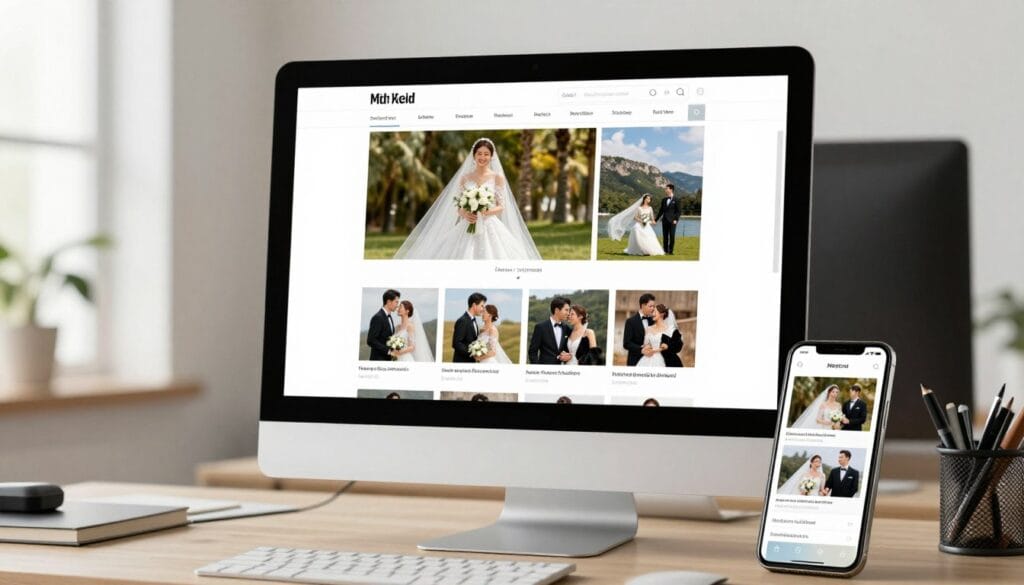
Your website is your digital storefront. It’s often the first impression potential clients get of your business. A poorly designed site sends clients running to competitors. A professional site builds confidence and converts visitors into bookings.
But “professional” doesn’t mean complicated or expensive. It means clean, fast, easy to navigate, and focused on what clients actually need to know. Can they see your work clearly? Can they contact you easily? Do they understand your services?
These fundamentals matter more than fancy features or trendy designs. Your website should showcase your photography beautifully while making the path to booking you completely obvious.
Essential Elements Every Photography Website Needs
Start with a stunning portfolio that represents your best work. Quality beats quantity every time. Show 20-30 of your absolute best images rather than hundreds of mediocre shots. Organize them by category if you serve multiple client types.
Your About page builds connection. People hire photographers they like and trust. Share your story, your approach, your personality. Include a professional photo of yourself. This isn’t the place to be mysterious.
Clear service descriptions tell visitors exactly what you offer and what it costs. Vague “contact for pricing” messages create friction. Even basic price ranges help clients self-qualify and respect your time.
A simple contact form or prominent contact button should appear on every page. Make it ridiculously easy for interested clients to reach you. Include multiple contact options like email and phone for those with different preferences.
Client testimonials and reviews build trust faster than anything you can say about yourself. Feature them prominently. Include client names and photos when possible for added authenticity.
Optimizing Your Site for Search Engines
A beautiful website that nobody can find wastes your investment. Search engine optimization (SEO) puts your site in front of people actively looking for photographers in your area. This is where the magic happens.
Start with location-based keywords. “Wedding photographer [Your City]” or “family portraits [Your Area]” target clients in your service area. Include these phrases naturally in your page titles, headings, and content.
Your site needs proper technical foundations. Fast loading speed keeps visitors from bouncing. Mobile responsiveness ensures people can view your site on any device. Clean URL structures help search engines understand your pages.
Create a blog with helpful content related to your photography niche. Articles about “best photo locations in [Your City]” or “what to wear for family photos” attract search traffic. They position you as an expert and give you more opportunities to rank in search results.
Local SEO strategies make a great way to attract nearby clients. Claim your Google Business Profile. Get listed in local directories. Encourage satisfied clients to leave reviews on Google. These signals tell search engines you’re a legitimate local business.
Want more on the Photography Business? Visit https://photography-business-tips.com/
Website Speed and User Experience Factors
Speed matters more than you think. Research shows that 53% of mobile site visitors leave if a page takes longer than three seconds to load. Every delayed second costs you potential clients.
Optimize your images for web use. Those 10MB RAW files look gorgeous but kill load times. Compress images to reasonable file sizes without sacrificing visible quality. This one change can dramatically improve your site performance.
Choose reliable hosting that can handle traffic spikes. Cheap hosting might save a few dollars monthly but costs you clients when your site crashes during peak booking season. It’s worth investing in quality infrastructure.
Navigation should be intuitive. If visitors can’t find what they need in three clicks, they’ll leave. Use clear menu labels. Organize information logically. Test your site on actual people to identify confusing elements.
Mastering Social Media for Photography Marketing

Social media transformed how photographers find clients. Platforms like Instagram and Facebook function as visual portfolios that reach thousands of potential clients. But success requires more than posting pretty pictures.
The photographers who thrive on social media understand it’s about connection, not just promotion. They engage authentically. They show personality alongside their portfolio. They build relationships that eventually convert to bookings.
Different platforms serve different purposes in your photography business marketing strategy. Choose platforms where your ideal clients actually spend time. Master one or two before expanding to others.
Choosing the Right Platforms for Your Photography Niche
Instagram remains the dominant platform for most photographers. Its visual nature perfectly showcases your work. Wedding photographers, portrait photographers, and lifestyle photographers especially thrive here. The platform reaches a younger demographic actively planning life events.
Facebook still holds value, particularly for family photographers and community-focused businesses. Local community groups, event pages, and Facebook ads target specific geographic areas effectively. Don’t dismiss it as outdated just yet.
Pinterest works brilliantly for wedding photographers and event photographers. Brides and event planners actively use Pinterest for inspiration and vendor research. Properly tagged pins can drive traffic for years after posting.
LinkedIn serves B2B photographers shooting corporate headshots, real estate, or commercial work. If your ideal client wears a suit to work, you should probably be on LinkedIn.
Don’t spread yourself too thin. Better to post consistently and engage actively on two platforms than to maintain a half-hearted presence across five. Quality and consistency beat quantity every time.
Creating Content That Attracts Your Ideal Clients
Your social media content should reflect your brand and speak directly to your target audience. A newborn photographer posts entirely different content than a commercial photographer. Know your audience and give them what they want to see.
Showcase your best work, obviously. But don’t make every post a portfolio piece. Mix in behind-the-scenes content, client testimonials, photography tips, personal stories, and educational content. Variety keeps your feed interesting and builds deeper connections.
Tell stories with your images. Don’t just post a photo with generic hashtags. Share the story behind the shoot. What made this client special? What challenge did you overcome? What emotion were you capturing? Stories create engagement.
Use Instagram Stories and Reels to show your personality and process. People don’t just hire photographers for their skills. They hire photographers they like spending time with. Let your personality shine through.
User-generated content from happy clients provides authentic social proof. Share client posts (with permission). Encourage clients to tag you in their own posts. This expands your reach to their networks organically.
Engagement Strategies That Build Real Connections
Posting without engaging is like talking without listening. The photographers who succeed on social media spend as much time engaging as creating content. They build genuine relationships, not just follower counts.
Respond to every comment and direct message promptly. When someone takes time to comment on your work, acknowledge it. Answer questions thoroughly. Show appreciation for compliments. This simple practice builds loyalty and encourages further engagement.
Engage with your target audience’s content proactively. Follow potential clients, local businesses, vendor partners, and others in your community. Like and comment on their posts genuinely. This visibility often leads to profile visits and follows back.
Use relevant hashtags strategically to expand your reach beyond current followers. Research hashtags your ideal clients follow. Mix popular hashtags with niche-specific ones. Location-based hashtags attract local clients actively seeking photographers nearby.
Collaborate with complementary businesses and influencers in your area. A wedding photographer might partner with florists, venues, and planners. These collaborations introduce you to new audiences who already need photography services.
Host giveaways or mini-sessions promoted through social media. These events attract potential clients, grow your following, and create urgency. Just make sure the prize or offer appeals specifically to your ideal client.
Local Networking and Community Engagement

Digital marketing gets a lot of attention, but old-fashioned face-to-face networking still brings tremendous results for photographers. The relationships you build in your local community create referral pipelines that keep your calendar consistently full.
Local networking works because photography is inherently a relationship business. People hire photographers they know, like, and trust. Meeting people in person fast-tracks that trust-building process in ways social media never can.
Plus, showing up in your community builds your reputation as a professional, established business rather than just another Instagram account. This credibility translates directly to bookings and higher prices.
Building Partnerships with Complementary Businesses
Identify businesses that serve your ideal clients but don’t compete with you. Wedding photographers partner with venues, caterers, florists, and wedding planners. Family photographers connect with pediatricians, preschools, and children’s boutiques.
Offer real value in these partnerships. Don’t just ask for referrals. Provide their clients with special offers. Refer business back to them. Create content together. Build genuine mutually beneficial relationships.
Vendor lists and preferred photographer programs at venues provide steady client flow. These relationships take time to develop but pay dividends for years. Make sure your professionalism and work quality merit the referral.
Create a referral program with clear benefits for partners who send clients your way. A simple commission or reciprocal arrangement keeps you top of mind when someone needs a photographer recommendation.
Participating in Local Events and Markets
Community events offer perfect opportunities to showcase your work and meet potential clients face-to-face. Set up a booth at local markets, fairs, or festivals. Display your best prints. Offer mini-sessions or special event promotions.
Sponsor local events that align with your brand values. Your logo on event materials builds name recognition. Photographing the event for free or at a discount gets your work seen by hundreds of attendees.
Join your local chamber of commerce or business networking groups. The membership fee often pays for itself with just one or two client referrals. Regular attendance at meetings keeps you visible and builds relationships.
Volunteer your photography skills for charitable causes you care about. This builds goodwill, creates portfolio pieces, and connects you with community leaders who might need your services or know someone who does.
Host your own events in your space if you have a studio. Open houses, photography workshops, or meet-and-greet events bring potential clients to you. They experience your personality and professionalism firsthand.
Email Marketing for Photographers

Email might seem old-school, but it remains one of the most effective marketing channels for photographers. Unlike social media, you own your email list. Algorithm changes can’t suddenly hide your messages from people who want to hear from you.
An email list lets you nurture relationships with past clients and stay top-of-mind with potential clients. When someone needs a photographer, you want to be the first name they think of. Regular, valuable emails make that happen.
The key is providing value, not just sending promotional messages. People will happily stay subscribed if your emails genuinely help or delight them. Sell too hard too often, and they’ll unsubscribe faster than you can say “special offer.”
Building Your Photography Email List
Start collecting email addresses everywhere you interact with potential clients. Your website should prominently feature an email signup with a compelling reason to subscribe. “Join my list for photography tips and seasonal offers” beats “Subscribe to my newsletter” every time.
Offer a valuable lead magnet in exchange for email addresses. A free guide like “10 Tips for Better Family Photos” or “Planning Your Perfect Wedding Timeline” attracts subscribers genuinely interested in your services.
Collect emails at every client interaction. Send inquiry follow-ups to those who don’t book. Add clients to your list after their session. Bring a signup sheet to events where you’re exhibiting or photographing.
Make sure you’re compliant with email marketing laws. Get explicit permission before adding anyone to your list. Include an easy unsubscribe option in every email. Use a reputable email service provider that handles compliance automatically.
Creating Email Campaigns That Convert
Send emails consistently but not constantly. Monthly newsletters work well for most photographers. More frequent emails risk annoying subscribers unless you’re providing exceptional value each time.
Segment your email list by client type or interest. Wedding clients want different content than family portrait clients. Tailored messages perform dramatically better than one-size-fits-all blasts.
Include a clear call to action in every email, but vary what you’re asking. Sometimes invite them to book a session. Other times, ask them to follow you on social media or read your latest blog post. Mix promotional and value-focused CTAs.
Share your best recent work in emails. Showcase new services or seasonal offerings. Announce special promotions or limited availability. Just balance promotional content with genuinely helpful tips and information.
Use email to bring customers back for repeat business. Family photographers might email past clients when it’s time for annual photos. Wedding photographers can promote anniversary sessions or newborn photography to former wedding clients.
Content Marketing and Blogging Strategies

Creating helpful content positions you as an expert in your field. Blog posts, guides, and resources attract people searching for information related to your photography niche. This brings potential clients to your site long before they’re ready to book.
Content marketing builds trust gradually. Someone who reads your helpful blog posts feels like they already know you. When they’re ready to hire a photographer, you’re the obvious choice because you’ve already proven your expertise.
The content you create also improves your search engine rankings. Each blog post is another opportunity for someone to discover your business through search results. More content equals more visibility equals more clients over time.
Planning Photography Content That Attracts Clients
Create content that answers questions your ideal clients are actively searching for. A wedding photographer might write “How to Choose Your Wedding Photographer” or “Best Outdoor Wedding Venues in [City].” These topics attract people who need exactly what you offer.
Use keyword research to identify what people search for. Free tools like Google’s autocomplete or Answer the Public reveal common questions in your niche. Create content around these topics to capture search traffic.
Develop a content calendar to maintain consistency. Plan topics monthly or quarterly. This prevents the panic of “what should I write about today?” and ensures you publish regularly without burning out.
Mix evergreen content with timely posts. Evergreen content like “Tips for Natural-Looking Family Photos” stays relevant for years. Seasonal content like “Fall Family Photo Outfit Ideas” attracts timely searches but has limited shelf life. Both serve important purposes.
Repurposing Content Across Multiple Channels
Create once, publish everywhere. Turn a blog post into social media posts, an email newsletter, a video, and Instagram carousel. This maximizes the return on your content creation time investment.
A comprehensive blog post can become five Instagram posts, three Pinterest pins, a YouTube video, and an email. Each piece reaches different audience segments who prefer different content formats.
Update and republish old content periodically. Your “Spring Photo Session Tips” post from three years ago can be refreshed with new images and updated information, then promoted again. Search engines love updated content.
Compile related blog posts into downloadable guides or e-books. This creates valuable lead magnets for email list building while requiring minimal additional work.
Paid Advertising for Photography Businesses

Organic marketing builds sustainable long-term growth, but paid advertising accelerates results. When you need clients now rather than six months from now, strategic ad spending fills your calendar faster than any other method.
The key word is strategic. Throwing money at ads without a plan wastes your budget quickly. But targeted ads reaching the exact people who need your services right now deliver impressive returns when executed properly.
Start small, test thoroughly, and scale what works. You don’t need a massive budget to see results. Even a few hundred dollars monthly can generate bookings when you target precisely and craft compelling offers.
Facebook and Instagram Advertising for Photographers
Facebook and Instagram ads excel at reaching specific demographics in your local area. You can target engaged women aged 25-35 within 20 miles of your studio for wedding photography. That level of precision is marketing gold.
Showcase your best work in image or carousel ads. Beautiful photography naturally catches attention in crowded feeds. Make sure your images stop the scroll and make people want to learn more about your services.
Craft ad copy that speaks directly to client pain points and desires. “Stressed about finding your wedding photographer? We specialize in relaxed, natural photos that capture your authentic celebration.” This resonates far better than “Book your wedding photography now.”
Test different audiences, images, and ad copy to find what performs best. Run small tests before committing large budgets. Facebook’s ad platform provides detailed analytics showing exactly what’s working and what’s wasting money.
Set up proper conversion tracking so you know which ads actually generate inquiries and bookings. Measuring clicks without measuring bookings means you have no idea if your ads are profitable.
Google Ads for Local Photography Services
Google Ads target people actively searching for photographers right now. When someone searches “family photographer near me,” your ad can appear at the top of search results. This captures high-intent clients at the perfect moment.
Focus on location-based keywords with clear commercial intent. “Wedding photographer [City]” or “newborn photography [Area]” reach people ready to hire, not just browse. These keywords convert far better than broad terms.
Your ad copy and landing page must deliver on the promise in your ad. If your ad promotes wedding photography, clicking should lead to your wedding portfolio, not your generic homepage. Relevance determines both quality scores and conversion rates.
Google Ads can get expensive in competitive markets. Set daily budgets you’re comfortable with and adjust based on results. Track cost per lead and cost per booking to ensure advertising remains profitable.
Local Services Ads (Google Guaranteed) specifically benefit service providers like photographers. These appear above regular search ads and include Google’s trust badge. They charge per lead rather than per click, potentially offering better value.
Creating Exceptional Client Experiences

Marketing gets people in the door, but client experience determines whether they refer friends or leave reviews. Every interaction shapes their perception of your photography business. Exceptional experiences create marketing assets that work for you long after the session ends.
Happy clients become your most effective marketing channel. They post your photos on social media, tagging you for their networks to see. They recommend you to friends and family. They write glowing reviews that convince strangers to book you.
This marketing costs you nothing beyond delivering the excellent service you should be providing anyway. It’s sustainable, authentic, and infinitely more effective than any ad you could buy.
Streamlining the Booking Process
Make booking ridiculously easy. Every extra step between “I’m interested” and “I’m booked” loses potential clients. Complicated processes send people to competitors with simpler systems.
Respond to inquiries within 24 hours, preferably within a few hours. When someone reaches out, they’re often contacting multiple photographers. First responders have a significant advantage. Quick responses signal professionalism and eagerness to work with them.
Use online scheduling tools that let clients book consultations or sessions themselves. Eliminating phone tag removes friction and respects everyone’s time. Just make sure the tool integrates with your calendar to prevent double-bookings.
Send clear confirmation emails immediately after booking. Include session details, location, what to expect, and what to bring. This reduces anxiety and no-shows while demonstrating your organizational skills.
Collect payment deposits at booking to secure the date. This reduces cancellations and establishes the professional business relationship. Make payments easy with online options rather than requiring checks or cash.
Delivering Photos That Exceed Expectations
Set realistic timelines for photo delivery and then beat them. Under-promise and over-deliver creates delight. Missing promised deadlines creates disappointment, even if your work is beautiful.
Present photos in a professional, easy-to-use gallery. Online galleries should be intuitive, mobile-friendly, and simple to share. The easier you make it for clients to enjoy and share their images, the more marketing exposure you gain.
Include clear instructions for downloading, ordering prints, or sharing photos. Some clients are tech-savvy, others need hand-holding. Providing helpful guidance prevents frustration and support requests.
Follow up after delivery to ensure satisfaction and request reviews. A simple “I hope you love your photos! Would you mind leaving a review?” often results in glowing testimonials. Time it when they’re most excited about their images.
Encouraging Referrals and Reviews
Ask satisfied clients to spread the word. Many people are happy to refer you but won’t think to do it unless prompted. A gentle request at the right moment works wonders.
Make referrals easy with a simple program. “Refer a friend and you both get 10% off your next session” gives clients motivation and talking points. Provide shareable content or referral cards they can pass along.
Reviews on Google, Facebook, and industry-specific platforms build credibility with strangers researching photographers. Request reviews from your happiest clients. Provide direct links to make the process effortless.
Showcase testimonials prominently on your website and marketing materials. Real words from real clients carry far more weight than anything you can say about yourself. Include photos of clients when possible for added authenticity.
Thank clients who refer business or leave reviews. A handwritten note or small gift demonstrates appreciation and encourages future referrals. These small gestures strengthen relationships and keep you top of mind.
Developing Your Photography Marketing Plan
Random marketing activities waste time and money. A clear photography marketing plan focuses your efforts on strategies that actually work for your specific business and client base. Structure beats chaos every time.
Your marketing plan doesn’t need to be complicated. A simple document outlining your goals, target audience, key strategies, and metrics keeps you accountable and focused. It prevents shiny object syndrome and ensures consistent effort toward real results.
Review and adjust your plan quarterly. Marketing isn’t set-it-and-forget-it. What works changes as your business grows and market conditions shift. Regular evaluation keeps your strategy effective and efficient.
Setting Realistic Marketing Goals
Define specific, measurable goals for your marketing efforts. “Get more clients” is too vague. “Book 8 wedding clients in the next six months” or “Increase website traffic by 50% this quarter” provides clear targets to work toward.
Break annual goals into quarterly and monthly milestones. This makes big goals feel achievable and lets you track progress regularly. Celebrate small wins along the way to maintain motivation.
Balance different types of goals across awareness, engagement, and conversion. You need goals for growing your audience (new followers, website visitors), engaging them (email subscribers, social interactions), and converting them (consultations booked, sessions sold).
Make sure goals align with your business capacity. Booking 50 weddings sounds great until you realize you can only physically photograph 30 per year. Set goals that support sustainable business growth, not burnout.
Allocating Time and Budget for Marketing
Decide how much time and money you can realistically dedicate to marketing. A common recommendation is 10-20% of revenue, but this varies based on business stage and growth goals. New businesses need higher percentages than established ones.
Block specific time for marketing activities on your calendar. If it’s not scheduled, it won’t happen. Treat marketing time as seriously as client sessions. Consistency matters more than occasional heroic efforts.
Divide your budget across different channels based on what works for your business. Don’t put everything into one basket. A balanced approach might include website hosting, some paid advertising, networking memberships, and content creation tools.
Track marketing expenses meticulously. You need to know what each marketing channel costs and what it returns. This data guides future budget allocations toward what actually brings clients and away from what doesn’t.
Measuring Marketing Success
Identify key performance indicators (KPIs) for each marketing channel. Website traffic, social media engagement, email open rates, consultation bookings, and conversion rates all tell part of the story. Together, they show whether your marketing works.
Use tools like Google Analytics to track website performance. See where visitors come from, which pages they view, and what actions they take. This reveals which marketing efforts drive the most valuable traffic.
Calculate cost per lead and cost per booking for paid advertising. If Facebook ads cost $200 and generate 10 leads resulting in 2 bookings, you’re paying $100 per booking. Is that profitable? These numbers guide smart decisions.
Survey clients about how they found you. Sometimes the answer surprises you. You might think social media brings all your clients when actually referrals do most of the work. Track actual attribution, not assumptions.
Review your marketing metrics monthly. Look for trends, successes, and areas needing improvement. Adjust your strategy based on what the data tells you. Marketing decisions based on evidence beat decisions based on hunches.
Advanced Marketing Strategies for Growth

Once you’ve mastered foundational marketing strategies, advanced tactics accelerate growth and differentiate your business. These approaches require more investment but deliver outsized returns when executed well.
Not every strategy suits every photographer. Choose advanced tactics that align with your strengths, audience preferences, and business goals. One well-executed advanced strategy beats poorly implemented everything everywhere all at once.
Video Marketing for Photographers
Video content performs exceptionally well across all platforms. Behind-the-scenes session footage, client testimonials, photography tips, and educational content build connections in ways photos alone cannot.
You don’t need expensive equipment. Modern smartphones shoot excellent video. Focus on good lighting, clear audio, and valuable content rather than production perfection. Authenticity matters more than polish.
Short-form video on Instagram Reels, TikTok, and YouTube Shorts reaches massive audiences organically. The algorithms heavily favor video content right now. Even a simple “day in the life” reel can attract thousands of views.
Longer YouTube videos position you as an authority and provide evergreen content that attracts search traffic for years. Photography tutorials, gear reviews, or location guides build audiences who eventually need your services.
Podcast Appearances and Guest Content
Guest appearances on podcasts or blogs in related industries introduce you to established audiences. A wedding photographer might appear on wedding planning podcasts. A newborn photographer could guest on parenting blogs.
Provide genuine value in these appearances rather than just promoting yourself. Share expertise generously. The exposure and backlinks benefit your business while helping the host deliver value to their audience.
Collaborative content with other vendors creates mutual promotion opportunities. Partner with a wedding planner to create “Ultimate Wedding Planning Timeline” content. Both businesses benefit from shared audiences and increased credibility.
Print Marketing in a Digital World
Physical marketing materials still work, especially for high-end photographers. Beautiful print brochures, postcards, or sample albums make memorable impressions that digital marketing cannot replicate.
Direct mail campaigns targeting specific neighborhoods or demographics can break through digital noise. A gorgeously designed postcard showcasing your work might land on a kitchen counter for weeks, generating conversations and eventual bookings.
Print portfolios or sample albums displayed at partner businesses keep you visible to potential clients. A stunning album at a wedding venue or baby boutique generates interest from people already in buying mode.
Simple Photography Studio Tips
Space Organization
Keep your photography space clean and organized at all times. Clients form impressions the moment they walk in. A cluttered studio suggests disorganization that might extend to your work.
Create designated zones for different activities. Separate shooting areas from editing spaces and client consultation areas. This organization improves workflow efficiency and presents a professional image.
Invest in proper storage solutions for equipment and props. Everything should have a home. You’ll work faster and reduce stress when you can find what you need instantly.
Client Comfort
Make your space welcoming and comfortable for clients of all ages. Provide seating, climate control, and refreshments. Small touches create big impressions that lead to referrals and positive reviews.
Consider accessibility for clients with mobility challenges, parents with strollers, or elderly family members. An accessible space expands your potential client base and demonstrates thoughtfulness.
Create a comfortable area where clients can review images during or after sessions. A large screen or iPad in a cozy setting makes the selection process enjoyable rather than stressful.
Professional Presentation
Display your best work prominently in your studio space. These pieces serve as conversation starters and examples of what clients can expect. They also reinforce your expertise and style.
Maintain professional signage and branding throughout your space. Consistent branding builds recognition and trust. Your studio should look like the successful business it is.
Keep business cards, price lists, and promotional materials readily available and professionally printed. When clients are ready to book or refer friends, you want materials within easy reach.
Quick Posing Tip for Natural Portraits
For relaxed, natural-looking portraits, try the “shift weight” technique. Ask subjects to shift their weight to their back foot rather than standing evenly on both feet. This small change creates a natural bend in the front knee and hip, instantly making poses look less stiff.
As a simple substitution, instead of saying “stand there,” say “lean on this wall” or “sit on the edge of that chair.” These prompts naturally create the weight shifts and body angles that photograph beautifully without requiring complicated posing instructions.
This approach works especially well with people who feel awkward in front of the camera. They’re focused on the simple physical action rather than worrying about how they look, resulting in more authentic expressions and natural body language.
Share This Guide
Send This to a Fellow Photographer
Copy and paste this message:
“Hey! I just read this really helpful guide on marketing a photography business. It covers everything from social media strategies to local networking, and it’s actually practical advice we can use. Thought you might find it useful too: [Share URL]”
Exploring Photography Business Resources
Marketing your photography business becomes easier when you have access to category-specific resources. Whether you specialize in weddings, portraits, commercial work, or events, tailored strategies for your particular niche deliver better results than generic advice.
Photography-business-tips.com offers a wide range of photography categories to explore, each with focused guidance for that specific type of photography work. From business planning to technical skills, you’ll find resources designed for your exact needs.
The right resources at the right time can transform your business trajectory. Take time to explore what’s available and implement strategies that align with your goals and photography niche.
Frequently Asked Questions
How much should I budget for photography business marketing?
Most photography businesses should allocate 10-20% of gross revenue toward marketing, with newer businesses investing toward the higher end. This includes website costs, advertising, networking memberships, and content creation tools. Start with what you can afford and scale as revenue grows. Track returns carefully to ensure marketing spending remains profitable.
Which social media platform works best for photographers?
Instagram remains the most effective platform for most photography businesses due to its visual nature and demographic reach. However, the “best” platform depends on your specific niche and target audience. Wedding and portrait photographers thrive on Instagram, while commercial photographers might find better results on LinkedIn. Focus on mastering one or two platforms rather than maintaining mediocre presence across many.
How long does SEO take to bring photography clients?
SEO typically takes 3-6 months to show meaningful results, with continued improvement over time. It’s a long-term strategy, not a quick fix. However, local SEO tactics like optimizing your Google Business Profile can generate leads within weeks. Combine SEO with faster strategies like networking and paid advertising while your organic search presence builds. The wait is worth it, as SEO eventually provides consistent client flow without ongoing ad spending.
Do I need a blog for my photography website?
While not absolutely required, a blog significantly improves your website’s search engine performance and positions you as an expert. Each blog post creates another opportunity for potential clients to discover you through search. Aim for at least one quality post monthly covering topics your ideal clients search for. If writing isn’t your strength, consider video content or hiring a writer familiar with photography business topics.
How do I price my photography services competitively?
Research local competitors to understand market rates, then price based on your experience, costs, and desired profit margins rather than just matching others. New photographers often start at lower price points to build portfolios and experience, gradually increasing rates as skills and reputation grow. Remember that competing solely on price attracts price-focused clients who may not value your work appropriately. Position yourself at the level your quality justifies.
What’s the fastest way to get photography clients immediately?
The fastest client acquisition methods combine networking with immediate outreach. Contact past clients about new services or seasonal offers. Reach out to vendor partners about current availability. Run a limited-time promotion on social media. Offer mini-sessions at slightly discounted rates to fill your calendar quickly. While building long-term marketing systems, these tactical approaches can generate bookings within days or weeks.
Should I offer discounts to attract new photography clients?
Strategic discounts for specific purposes work well, but constant discounting devalues your work and attracts price-focused clients. Consider limited discounts for first-time clients building your portfolio in a new niche, referral incentives, or seasonal promotions creating urgency. Avoid blanket discounting or competing primarily on price. Your marketing should emphasize value, quality, and unique style rather than just lower costs.
How many times should I post on social media as a photographer?
Quality and consistency matter more than frequency. Aim for 3-5 Instagram posts weekly plus daily Stories for active engagement without burning out. Facebook can be less frequent at 2-4 posts weekly. The key is maintaining a consistent schedule you can sustain long-term. Sporadic posting whenever you remember is less effective than a regular, manageable rhythm. Use scheduling tools to maintain consistency even during busy photography seasons.
Ready to Grow Your Photography Business?
You’ve learned powerful strategies for marketing your photography business. Now it’s time to put them into action. Explore our comprehensive photography categories to find specialized resources for your specific niche and business stage.
Whether you need technical guidance, business planning help, or marketing inspiration, you’ll find practical resources designed specifically for photographers who want to build sustainable, profitable businesses doing work they love.
References
- Pixieset Blog
- ShootProof Blog
- SmugMug Development Lab
- Google Business Profile Guidelines
- Facebook Business Resources
- Instagram for Business
Final Thoughts on Photography Business Marketing

Marketing your photography business doesn’t require mysterious skills or massive budgets. It requires consistency, strategy, and genuine connection with the people you want to serve. The photographers who succeed aren’t necessarily the most talented artists. They’re the ones who consistently show up, provide value, and make it easy for clients to find and hire them.
Start with the fundamentals. Build a professional website that showcases your work beautifully. Show up consistently on social media where your clients spend time. Network in your local community. Provide exceptional client experiences that generate referrals and reviews.
Master these basics before chasing advanced tactics. A solid foundation supports sustainable growth. Random activity without strategy wastes time and creates frustration.
Remember that marketing is an ongoing process, not a one-time project. What works today might need adjustment tomorrow. Stay curious, track results, and adapt as you learn what resonates with your specific audience.
The effort you invest in marketing compounds over time. Each blog post, each social media connection, each networking relationship builds your business’s momentum. In a year, you’ll look back amazed at how far you’ve come.
Your photography deserves to be seen. Your ideal clients are out there searching for exactly what you offer. Marketing is simply the bridge connecting your talent with their needs. Build that bridge thoughtfully, and your photography business will thrive.
Now stop reading and start implementing. Choose one strategy from this guide and take action today. Your future fully booked calendar is waiting.
Stay focused,
Ray Baker
Struggling to get consistent photography clients?
Get More Photography Clients