

You’ve got the camera skills, the editing chops, and enough creativity to fill a gallery. But here’s the thing that keeps you awake at night: where are all the clients? If your phone isn’t exactly ringing off the hook and your inbox feels like a ghost town, you’re not alone. Most photographers struggle with the business side of photography, especially when it comes to actually booking clients. The good news? Getting photography clients isn’t about magic or luck. It’s about strategy, consistency, and knowing exactly where your ideal clients are already looking.
Let me tell you something I learned the hard way. When I first started my photography business, I thought great photos would automatically attract clients. Spoiler alert: they didn’t. I was basically shouting into the void, posting beautiful images that nobody saw. What changed everything was understanding that client acquisition is a skill you can learn, just like mastering manual mode or perfecting your composition.
Quick Answer: How Do You Actually Get Photography Clients?
To get photography clients, you need a multi-channel approach combining online presence with offline networking. Start by optimizing your website for search engines, showcasing your best work in a targeted portfolio, actively engaging on social media platforms where your ideal clients spend time, and building genuine relationships within your local community. The most successful photographers use referral systems, collaborate with complementary businesses, and consistently deliver exceptional client experiences that generate word-of-mouth marketing. Focus on one or two strategies initially, master them, then expand your marketing efforts.
5 Key Takeaways for Booking More Photography Clients
- Your website is your digital storefront and needs proper SEO optimization to help potential clients find you through search engines when they’re actively looking for photographers
- Social media works best when you engage authentically with your community rather than just posting photos and hoping for likes
- Referrals from happy clients are the highest-converting source of new business, making client experience your most powerful marketing tool
- Local networking and community involvement create trust and visibility that online marketing alone cannot achieve
- Consistency matters more than perfection; showing up regularly with valuable content builds recognition and authority over time
Understanding How Photography Clients Actually Find Photographers
Before we dive into specific strategies, let’s talk about how people actually decide to hire a photographer. This isn’t about throwing strategies at the wall and hoping something sticks. Understanding client psychology transforms your entire approach to getting photography clients.
Most people hire photographers through three main pathways. First, they search online when they have an immediate need. Someone gets engaged and searches for wedding photographers. A business launches and needs product photography. These are your hot leads, actively looking right now.

Second, they get recommendations from people they trust. A friend raves about their family photographer. A colleague shares who did their headshots. These referrals come pre-qualified with trust already built in.
Third, they’ve been following you for a while and finally have a reason to book. Maybe they’ve seen your Instagram posts for months, or they’ve been on your email list. When the timing is right, you’re the obvious choice because you’ve stayed top of mind.
The most effective photography business strategy addresses all three pathways. You need to be findable when people search, referable when people ask for recommendations, and memorable when people are ready to book.
Build a Strong Online Presence That Actually Attracts Clients
Create a Website That Works as Hard as You Do
Your website isn’t just a digital business card. It’s a 24/7 sales representative working to convert visitors into photography clients. Yet most photographer websites fail at this fundamental job because they’re built backwards, focusing on aesthetics over functionality.
Here’s what actually matters for getting photography clients online. First, your website needs to load quickly. Research from Google shows that 53% of mobile users abandon sites that take longer than three seconds to load (Google, 2021). That’s half your potential clients gone before they even see your beautiful portfolio.

Second, search engine optimization matters enormously. When someone searches for photographers in your area, you want to appear on that first page of results. This means including location-based keywords throughout your site, creating service-specific pages, and publishing regular blog content that answers questions your ideal clients are asking.
Third, your portfolio should be focused, not comprehensive. Show only the type of work you want to book more of. If you want more wedding clients, don’t showcase your landscape photography just because it’s pretty. Every image should tell potential clients that you’re the perfect photographer for their specific needs.
Fourth, make it ridiculously easy for people to contact you. Your contact information should be visible on every page. Include a simple contact form, your email address, and phone number. The fewer clicks between “I like this photographer” and “I’ve reached out,” the more bookings you’ll get.
Master Social Media Without Losing Your Mind
Social media can feel like a full-time job, and honestly, it can become one if you let it. The secret is understanding that different platforms serve different purposes in your client acquisition strategy.
Instagram remains the dominant platform for photographers, but it’s evolved beyond just posting pretty pictures. The algorithm now prioritizes engagement over follower count. This means a photographer with 500 engaged followers will reach more people than one with 5,000 ghost followers.

Effective Social Media Strategies for Photographers
Focus your energy on platforms where your ideal clients actually spend time. Wedding clients browse Instagram and Pinterest. Corporate clients network on LinkedIn. Family photography clients engage in local Facebook groups.
Share behind-the-scenes content showing your process. People don’t just want to see finished images. They want to connect with you as a person and understand what working with you feels like. This builds the relationship before they even inquire.
Use Instagram Stories and Reels to showcase your personality. These formats create connection faster than grid posts. Show your workspace, share client testimonials, explain your approach. Let people get to know you.
Engagement is everything on social media. Respond to every comment and direct message. Engage with potential clients by commenting thoughtfully on their posts. Join conversations in local community groups. Social media marketing for photographers isn’t broadcasting; it’s relationship building at scale.
Leverage Local Marketing Strategies to Book More Photography Clients
Network Like Your Business Depends on It (Because It Does)
Online marketing gets all the attention, but local networking often delivers faster results for getting photography clients. The beauty of face-to-face networking is that it builds trust instantly in ways that digital marketing simply cannot.
Start by identifying businesses that serve your ideal clients but don’t compete with you. Wedding planners, florists, and venues for wedding photographers. Real estate agents and interior designers for architectural photographers. Gyms and nutritionists for fitness photographers. These are your collaboration goldmines.
Approach these businesses with genuine value, not just a request for referrals. Offer to photograph their space for their marketing materials. Provide images they can use on social media. Create a win-win relationship where both parties benefit.

Join your local chamber of commerce or business networking groups. Yes, these breakfast meetings can feel awkward, but they’re where local business owners build relationships. When someone in that group needs a photographer or knows someone who does, you want to be the person they think of immediately.
Sponsor local events or donate photography sessions to charity auctions. This puts your work in front of new people while supporting your community. The goodwill you build translates directly into client referrals.
Optimize Your Google Business Profile
When people search for photographers near them, Google shows local results first. Having an optimized Google Business Profile is non-negotiable for local client acquisition.
Claim your profile if you haven’t already. Fill out every section completely, including your business hours, service areas, and category tags. Upload high-quality photos regularly. Google favours profiles that are active and complete.
Encourage satisfied clients to leave reviews. Positive reviews boost your search ranking and build trust with potential clients. Make it easy by sending a direct link to your Google review page after each successful session.
Post updates to your Google Business Profile weekly. Share recent work, announce special offers, or highlight client testimonials. These posts appear in search results and keep your profile fresh.
Create a Referral System That Generates Consistent Photography Clients
Here’s a truth that took me years to fully appreciate: your past clients are your best marketing asset. The client acquisition cost for referrals is essentially zero, and they convert at much higher rates than cold leads.
Yet most photographers handle referrals passively, hoping happy clients will naturally recommend them. The successful ones build intentional referral systems that make it easy and rewarding for clients to spread the word.

Deliver an Experience Worth Talking About
Referrals start with exceptional client experience. Every interaction, from the first inquiry to final image delivery, should exceed expectations. This isn’t about being perfect; it’s about being thoughtful and professional.
Respond to inquiries quickly. Studies in consumer behaviour show that responding within five minutes increases conversion rates by 400% compared to waiting 10 minutes (Harvard Business Review, 2011). Speed signals professionalism and enthusiasm.
Make the booking process simple. Send clear contracts and invoices. Provide a client guide that answers common questions before they’re asked. Remove friction at every step.
During the session, make clients feel comfortable and confident. Many people feel awkward in front of cameras. Your ability to create a relaxed, fun experience directly impacts not just the photos but whether they recommend you to friends.
Deliver images on time, beautifully presented. Online galleries that are easy to share and download make clients more likely to show off their photos, which naturally promotes your work.
Ask for Referrals Strategically
Don’t be shy about asking satisfied clients to refer you. Most people are happy to help; they just need a gentle reminder and an easy way to do it.
The best time to ask is right after delivering final images when excitement is highest. Include a simple note: “If you loved your experience, I’d be honoured if you’d share my name with friends who might need a photographer.”
Make sharing effortless. Create a referral card clients can hand to friends. Provide social media graphics they can post. Write a sample recommendation they can copy to their Facebook page. The less work required, the more referrals you’ll get.
Consider offering a referral incentive, but be thoughtful about it. A discount on their next session or a free print can motivate action without feeling transactional. The goal is gratitude, not bribery.
Use Content Marketing to Position Yourself as an Expert
Content marketing might sound intimidating, but it’s simply sharing valuable information that helps your ideal clients. When done consistently, it establishes you as the go-to expert in your photography niche.
Start a blog on your website and publish helpful articles regularly. Write about topics your potential clients are searching for. For wedding photographers, that might be “What to Wear for Engagement Photos” or “How to Choose Your Wedding Photography Style.” For business photographers, try “What to Expect During a Corporate Headshot Session” or “How to Prepare Your Team for Group Photos.”

Each blog post serves multiple purposes. It improves your search engine optimization, bringing organic traffic to your website. It demonstrates your expertise, building trust with potential clients. And it provides shareable content for your social media platforms.
Email marketing remains one of the highest-converting channels for getting photography clients. Build an email list by offering something valuable in exchange for email addresses. A free guide, photography tips, or a discount on their first session all work well.
Send regular emails that provide value, not just sales pitches. Share recent work, offer photography tips, highlight client stories, and announce any special offers. Stay in touch so when subscribers need a photographer, you’re the obvious choice.
Want more on the Photography Business? Visit https://photography-business-tips.com/
Simple Photography Studio Tips for Client Sessions
Whether you’re working from a dedicated studio space or a spare room in your home, the right setup makes client sessions smoother and more professional. Small improvements to your photography studio create better experiences and better images.
Lighting Setup
Invest in quality lighting equipment that gives you control regardless of natural light conditions. Consistency matters for building a recognizable style.
- Start with one or two strobes and modifiers before expanding your kit
- Position a key light at 45 degrees to your subject for flattering dimension
- Use a reflector as an affordable fill light alternative
- Keep backgrounds simple to make clients stand out
Client Comfort
Comfortable clients photograph better. Small touches make people feel welcomed and relaxed in your space.
- Provide a mirror and good lighting for last-minute touch-ups
- Keep water bottles available for clients during sessions
- Play gentle background music to ease tension
- Maintain comfortable temperature in your studio space
Workflow Efficiency
Organize your studio to minimize time wasted searching for equipment during sessions when client patience is limited.
- Label storage containers clearly for quick access to props and equipment
- Create checklists for different session types to ensure nothing is forgotten
- Keep your workspace tidy to appear professional when clients arrive
- Charge all batteries the night before every scheduled session
Professional Presentation
First impressions influence how clients perceive value. A professional environment justifies your pricing and builds confidence.
- Display sample prints from previous sessions to inspire clients
- Keep business cards and pricing guides easily accessible
- Maintain a dedicated area for contract signing and consultations
- Remove personal clutter from client-facing areas
One Simple Posing Tip That Transforms Client Photos
Here’s a posing technique that instantly improves 90% of portraits: the slight shift. Instead of having subjects stand or sit facing you straight-on, ask them to turn their body about 30 degrees away, then turn their face back toward the camera.

This simple adjustment creates several benefits. It narrows the appearance of shoulders and torso, which most clients appreciate. It creates more interesting angles and depth in the composition. And it looks more natural than a stiff, straight-on pose.
You can apply this principle whether clients are standing, sitting, or even lying down. For family portraits, vary the angles so not everyone is positioned identically. For individual portraits, this technique works with business headshots, senior photos, and everything in between.
The key is making the adjustment feel natural rather than forced. Guide clients gently, demonstrate what you want, and take a few test shots to show them how much better the angle looks. When clients see the difference, they’ll trust your direction for the rest of the session.
Should You Invest in Paid Advertising to Get Photography Clients?
Paid advertising can accelerate client acquisition, but it’s not right for every photographer or every situation. Understanding when and how to use paid ads prevents wasted money and disappointment.
When Paid Advertising Makes Sense
Paid ads work best when you have solid business foundations already in place. Your website should convert visitors effectively. Your pricing should be clear and profitable. Your client process should be smooth. Sending paid traffic to a poorly designed website is like pouring water into a leaky bucket.
Facebook and Instagram ads work well for photographers because they’re visual platforms. You can target specific demographics, interests, and even life events. A wedding photographer can target newly engaged people. A newborn photographer can target expectant parents.

Google Ads can capture high-intent searches from people actively looking for photographers right now. Someone searching “wedding photographer near me” has immediate need and budget. These clicks are expensive but can convert well if your website and offerings are compelling.
Start small with paid advertising. Test different ad creative, messaging, and targeting with modest budgets. Track which ads generate inquiries and, more importantly, which generate actual bookings. Many clicks don’t automatically equal good clients or profitable work.
Organic Growth vs. Paid Advertising
Most successful photography businesses use a combination of organic marketing and paid advertising, not one or the other exclusively. Organic strategies like SEO, content marketing, and networking build sustainable, long-term client flow. Paid advertising can fill gaps quickly when you need to boost bookings.
If you’re just starting your photography business, focus on organic strategies first. Build your portfolio, create your website, establish your social media presence, and start networking locally. These foundational activities cost more time than money, making them accessible even with tight budgets.
Once you have consistent bookings and positive cash flow, experiment with paid advertising to scale faster. But never rely solely on paid ads. Algorithm changes, increasing costs, and platform policy shifts can disrupt paid strategies overnight. Diversification protects your business.
Why Niche Specialization Helps You Get More Photography Clients
Trying to be everything to everyone is the fastest way to blend into the background. Specializing in a specific type of photography or serving a specific client segment makes marketing easier and more effective.
When you specialize, your messaging becomes clearer. Instead of “I’m a photographer,” you can say “I photograph active families who love adventure.” That specific positioning attracts ideal clients while repelling those who aren’t good fits.
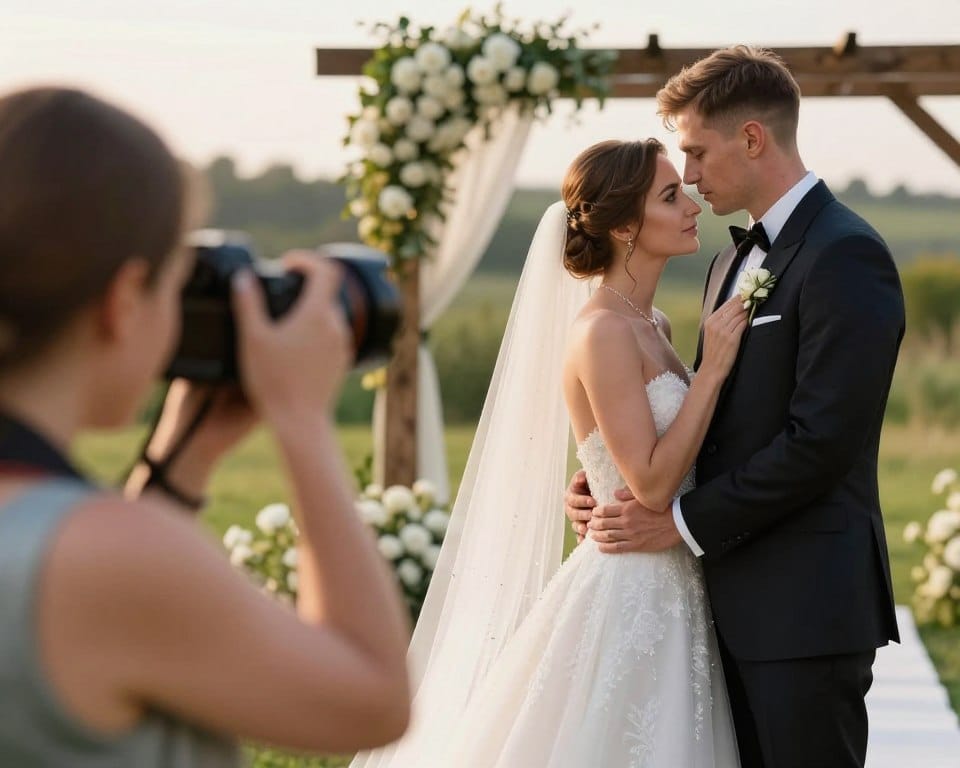
Specialization builds expertise faster. When you photograph the same types of sessions repeatedly, you develop systems, refine techniques, and spot opportunities others miss. This expertise shows in your work, justifying premium pricing.
Marketing becomes more targeted and cost-effective. You know exactly where your ideal clients spend time, what concerns they have, and what language resonates with them. You can create content and advertising that speaks directly to their needs.
Referrals improve when you specialize because you’re more memorable. When someone asks your past client, “Do you know a photographer?” the response might be vague. But when they ask, “Do you know a photographer who specializes in newborn twins?” and you’re the local expert, you’ll get that referral every time.
Common photography niches include weddings, newborns, families, seniors, corporate headshots, real estate, products, events, and sports. Within each category, you can specialize further. Not just weddings, but intimate destination weddings. Not just families, but multigenerational family reunions.
Choose a niche based on the intersection of what you enjoy photographing, what you’re skilled at, and what the market will pay for. All three factors must align for long-term sustainability and satisfaction in your photography business.
Explore More Photography Business Resources
Building a successful photography business requires knowledge across many areas, from technical skills to marketing strategies to client management. If you found this guide helpful, you might enjoy exploring other photography business categories available on our site. We cover everything from pricing strategies to contract templates, portfolio building to time management for busy photographers. Each resource is designed to help you build a more profitable and enjoyable photography business.
Common Mistakes That Prevent Photographers from Getting Clients
Even experienced photographers sometimes sabotage their own client acquisition efforts without realizing it. Identifying and fixing these common mistakes can immediately improve your booking rate.
Mistake 1: Inconsistent Marketing Efforts
Many photographers market intensively when business is slow, then stop completely when they’re busy. This creates a feast-or-famine cycle that makes income unpredictable and stressful.
Successful photographers maintain consistent marketing regardless of current bookings. They know that inquiries today often convert to bookings months from now. Social media content, blog posts, networking, and email campaigns continue even during busy seasons.

Mistake 2: Portfolio That Shows Everything
New photographers often showcase every decent photo they’ve ever taken, thinking more is better. This dilutes your message and confuses potential clients about what you actually specialize in.
Curate your portfolio ruthlessly. Show only your absolute best work in the style you want to book more of. If an image doesn’t represent what you want to shoot professionally, it doesn’t belong in your portfolio, regardless of how beautiful it might be.
Mistake 3: Competing Only on Price
Pricing yourself as the cheapest option attracts price-focused clients who often become your most demanding and least satisfied customers. Competing on price is a race to the bottom that successful photography businesses avoid.
Instead, compete on value, experience, and results. Position yourself as an investment in preserving precious memories or elevating a brand. Clients willing to pay professional rates typically respect your time, follow your guidance, and refer more ideal clients.
Mistake 4: Ignoring Past Clients
Many photographers treat each booking as a one-time transaction rather than the beginning of a long-term relationship. This wastes your most valuable marketing asset: satisfied clients who already trust you.
Stay in touch with past clients through email newsletters, holiday cards, or special offers for returning customers. A wedding client might need family photos. A newborn client will eventually need first birthday photos. Maintain relationships, and your clients will return and refer others for years.
How to Track and Measure Your Client Acquisition Success
You can’t improve what you don’t measure. Tracking key metrics helps you understand which marketing strategies actually generate photography clients and which waste your time and money.

Essential Metrics to Monitor
Website traffic tells you how many people are finding you online. Track where this traffic comes from – search engines, social media, referrals, or paid ads – to understand which channels work best.
Inquiry rate measures how many website visitors contact you. If traffic is high but inquiries are low, your website or messaging needs improvement.
Conversion rate tracks how many inquiries become actual bookings. This reveals whether your pricing, packages, and sales process are effective.
Client acquisition cost calculates how much you spend in time and money to book each client. This helps you assess profitability and make smart decisions about where to invest resources.
Ask every new client how they found you. This simple question reveals which marketing efforts generate real results versus which just feel productive. Many photographers discover their assumptions about effective marketing don’t match reality.
Review your metrics monthly. Look for trends rather than focusing on week-to-week fluctuations. Are inquiries increasing? Is your website traffic growing? Which marketing channels consistently deliver clients?
Adjust your strategy based on data, not feelings. If networking events generate more bookings than Instagram despite Instagram feeling more comfortable, prioritize networking. Follow the evidence toward what actually works for your specific market and photography style.
Share This Guide With a Photographer Friend
Know a photographer struggling to book clients? Send them this message:
“Hey! I just read this really practical guide on getting photography clients that doesn’t just say ‘post on Instagram more.’ It’s got actual strategies for building a sustainable client base. Thought you might find it helpful: [share article link]”
Feel free to copy, paste, and share. We’re all in this together, and helping each other succeed makes the entire photography community stronger.
Frequently Asked Questions About Getting Photography Clients
How long does it take to get your first photography clients?
Timeline varies significantly based on your location, niche, and marketing consistency. Some photographers book their first paid client within weeks through personal networks and social media. Others take several months while building their portfolio and online presence. Focus on implementing multiple strategies simultaneously rather than waiting for one approach to work. Most photographers see meaningful results within three to six months of consistent, strategic marketing effort.
What’s the best way to get photography clients without paid advertising?
The most effective free methods combine search engine optimization for your website, active social media engagement, local networking, and referral systems. Start by optimizing your Google Business Profile and website for local searches. Post consistently on social media platforms where your ideal clients spend time. Join local business groups and build relationships with complementary businesses. Deliver exceptional experiences that naturally generate word-of-mouth referrals. These organic strategies require more time than paid advertising but build sustainable, long-term client flow.
How do photographers get clients on Instagram?
Instagram success for photographers comes from consistent posting, strategic hashtag use, genuine engagement, and Stories that build connection. Post your best work regularly with captions that tell stories or provide value. Use location tags and relevant hashtags to increase discoverability. Engage authentically with potential clients by commenting on their posts and responding to all messages. Share behind-the-scenes content in Stories to build relationships. Use Instagram’s business features to add contact buttons and track which posts generate the most inquiry messages.
Should I offer free sessions to build my photography portfolio?
Free sessions can help when you’re genuinely building skills and need portfolio diversity, but use this strategy carefully and temporarily. Offer free or heavily discounted sessions only when you clearly communicate it’s for portfolio building, you maintain full creative control, and subjects understand they’re receiving reduced pricing in exchange for allowing portfolio use. Once you have 15-20 strong portfolio pieces in your desired style, transition to paid work. Continuing free sessions long-term devalues your work and attracts clients who won’t pay professional rates.
How many photography clients do I need to make a full-time income?
Required client numbers depend entirely on your pricing, session type, and desired income. A wedding photographer charging ,000 per wedding needs roughly 25-30 weddings yearly to generate ,000-,000 revenue. A portrait photographer charging 0 per session needs 150-180 sessions for similar revenue. Higher prices mean fewer clients needed but potentially narrower market. Calculate your target annual income, divide by realistic pricing for your market and experience level, then factor in business expenses to determine how many bookings you actually need.
What should I say when reaching out to potential photography clients?
When initiating contact, focus on their needs rather than your services. Research the potential client first, then personalize your message. For businesses, identify specific ways your photography could solve their problems or enhance their marketing. For individuals, reference mutual connections or shared interests when possible. Keep initial messages brief, professional, and focused on starting conversation rather than making an immediate sale. Ask questions about their photography needs and timeline. Position yourself as a helpful resource, not a pushy salesperson.
How do I get corporate photography clients?
Corporate clients require a different approach than individual consumers. Build a professional portfolio showcasing corporate work like headshots, team photos, and event coverage. Network on LinkedIn and join local business organizations. Reach out directly to marketing managers and HR directors with tailored proposals explaining how professional photography benefits their business. Offer corporate packages with volume pricing for headshots or annual retainers for ongoing needs. Deliver exceptional service with quick turnaround times and professional communication that matches corporate expectations. Corporate clients value reliability and consistency as much as creative quality.
Is it better to specialize or offer multiple types of photography?
Specialization generally leads to faster business growth and higher rates, but the right choice depends on your market size and business goals. In smaller markets, diversifying across a few related specialties (like families, newborns, and seniors) helps maintain steady bookings year-round. In larger markets, tight specialization helps you stand out and command premium pricing. Consider starting with a primary specialty while keeping one or two secondary offerings. As your business grows and your preferred work becomes clear, you can narrow focus further. Most successful photographers eventually specialize because it simplifies marketing and builds recognizable expertise.
Final Thoughts on Getting Photography Clients
Building a consistent flow of photography clients doesn’t happen overnight, and there’s no single magic strategy that works for everyone. What works brilliantly for a wedding photographer in Sydney might fall flat for a commercial photographer in Austin. Your ideal approach combines several strategies aligned with your specific niche, market, and personality.

Start with the fundamentals that every photographer needs: a professional website optimized for search, active social media presence on platforms where your ideal clients already engage, and a referral system that turns happy clients into your best marketers. These foundations create sustainable growth.
Then layer in strategies that match your strengths and resources. Love meeting people? Invest more energy in networking and community involvement. Prefer writing? Focus on content marketing and SEO. Have some budget? Experiment carefully with paid advertising once your conversion process is solid.
Remember that consistency beats intensity every time. Posting on social media three times weekly for a year delivers better results than posting daily for three weeks before burning out. Small, sustainable actions compound into significant results over time.
Most importantly, focus on the experience you provide, not just the images. Clients hire photographers they trust, enjoy working with, and feel confident will deliver. Technical skills matter, but reliability, professionalism, and genuine care for clients create the relationships that sustain long-term success.
The photography business landscape continues evolving with new platforms, changing algorithms, and shifting client preferences. Stay adaptable, keep learning, and remember that at its core, this business is about capturing meaningful moments for real people. When you focus on serving those people exceptionally well, client acquisition becomes significantly easier.
Now stop reading and start implementing. Choose one strategy from this guide, commit to it for 30 days, and measure your results. Then refine and add another. Your future clients are out there right now, searching for exactly what you offer. Make sure they can find you.
References
- Google – Mobile Page Speed Research, 2021
- Harvard Business Review – Lead Response Management Study, 2011
Stay focused,
Ray Baker
Struggling to get consistent photography clients?
Get More Photography Clients